Matos Towing & Recovery is a towing and vehicle recovery company based at 500 Old Wyomissing Road in Reading, Pennsylvania. The operation covers both routine light duty work, such as moving a passenger car with a dead battery or a flat tire, and heavy duty assignments involving box trucks, tractor trailers, buses and equipment that exceeds the capacity of a standard flatbed. The business can be reached by phone at +1 610-685-6655.
The Old Wyomissing Road location places the company near the southwestern edge of the city, within easy reach of the Route 422 corridor, Lancaster Avenue, the Penn Street and Bingaman Street bridges, and the interchanges that feed traffic into Reading from West Reading, Wyomissing, Shillington and Mohnton. That positioning matters in a towing operation, because response time is largely a function of where the trucks start from and how quickly a driver can get onto a main artery. Much of the day to day work takes place on the roads of Berks County, including the stretches of Interstate 176, Route 222 and Route 61 where breakdowns and collisions tend to cluster.
Services
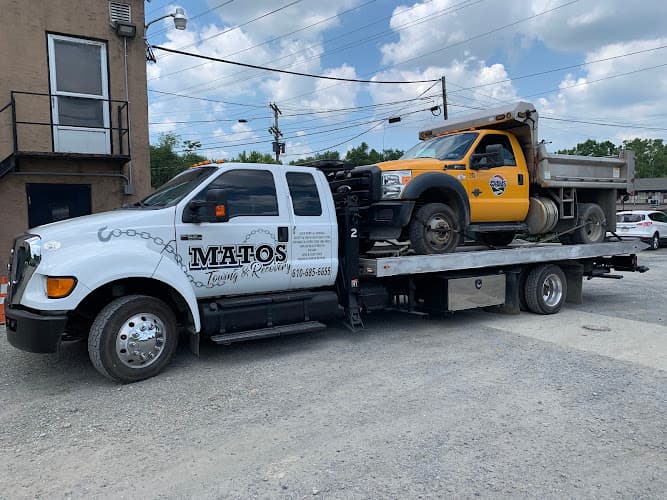
Towing companies vary widely in what they actually keep in the yard, and the distinction between a light duty outfit and a heavy duty one is a practical matter of equipment. A heavy duty designation generally means the company maintains integrated wreckers and rotators capable of lifting and winching vehicles that weigh many times what a sedan does, along with the rigging, straps, chains and air cushions needed to upright a rolled trailer or pull a truck out of a ditch without tearing the frame. Matos Towing & Recovery operates in that heavier category while still handling everyday consumer calls.
Work typically falls into several categories:
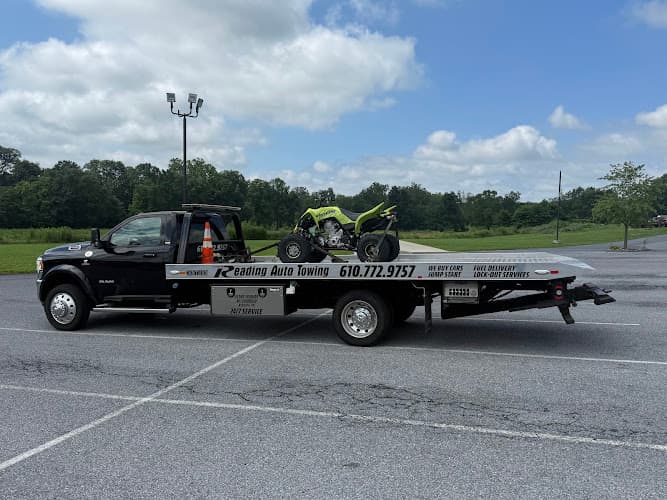
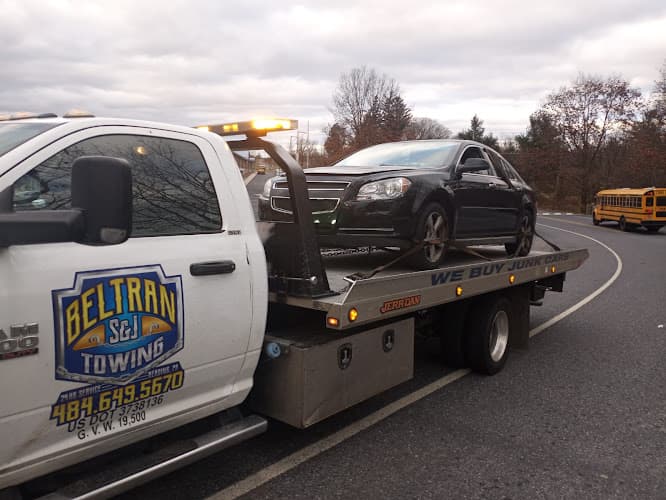
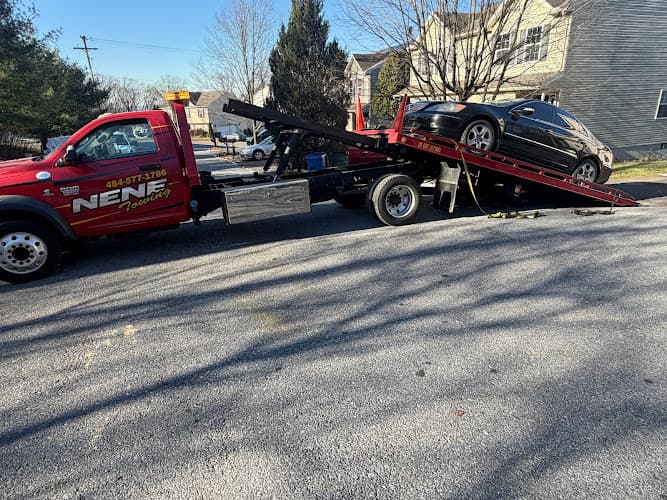
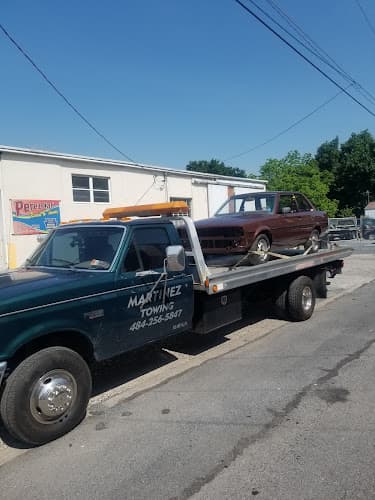
- Light duty towing for cars, minivans, SUVs and pickups, usually on a flatbed so that all four wheels leave the road surface.
- Medium and heavy duty towing for delivery trucks, dump trucks, tractor trailers, RVs and buses.
- Accident recovery, including uprighting overturned vehicles, clearing debris and coordinating with police and fire crews at the scene.
- Off road and winch out recovery for vehicles that have slid off a shoulder, sunk into soft ground or become stuck on a construction site or farm lane.
- Roadside assistance, which commonly covers jump starts, tire changes, fuel delivery and lockouts.
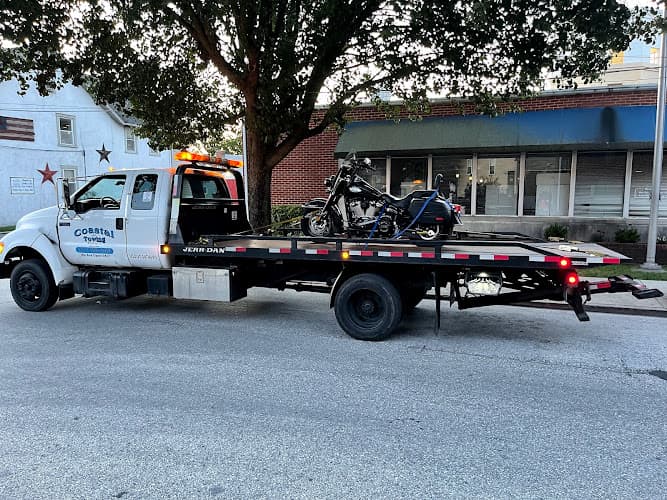
- Equipment and machinery transport, moving items that are not street legal to drive between job sites.
- Private property and local impound work on behalf of property managers and municipalities.
Flat tire calls are a steady part of the workload, and they are not always simple. Corroded or over torqued lug nuts, wheel locks with missing keys and rusted hubs can turn a ten minute job into a longer one, which is why a crew that carries the right tools and is willing to send a second technician makes a measurable difference on the roadside.
Dispatch and How a Call Works
Most customers reach the company by telephone, and the dispatcher is the first point of contact. During that call the dispatcher will usually want the location in as much detail as possible, the make, model and approximate weight of the vehicle, whether the vehicle rolls and steers, whether it is in a travel lane or a safe shoulder, whether anyone is injured, and the destination, which is often a repair shop, dealership or home address. Callers who are unfamiliar with the area can describe landmarks, mile markers, exit numbers or nearby cross streets, and dispatch works through those details rather than expecting a precise address.
A few practical points worth knowing before a truck arrives:
- Stay with the vehicle if it is safe to do so, or wait a safe distance away from traffic if it is not.
- Have keys available. A vehicle that must be winched without keys, or that is in park with a locked steering column, changes the equipment and time required.
- Know whether the vehicle is all wheel drive or has a modified suspension or low ground clearance, since each affects how it is loaded.
- Remove personal items, garage door openers, medications and documents before the vehicle leaves, especially if it is going to a lot rather than directly to a shop.
- If an insurance company or motor club is involved, have the policy or membership number ready.
Payment
The company accepts debit cards, credit cards and contactless NFC mobile payments such as those made from a phone or smartwatch. Accepting tap to pay on the roadside is a practical convenience for drivers who are stranded without a wallet or who are handling the transaction while standing on a shoulder. Customers who are being towed under an insurance claim, extended warranty or roadside membership should confirm who is being billed before the vehicle is hooked, since some programs reimburse the driver and others pay the towing company directly.
Character of the Business
Towing is an industry people enter involuntarily. Nearly every call begins with something going wrong: a collision, a breakdown far from home, a vehicle that will not start in a parking garage, a truck jackknifed on a wet ramp. What distinguishes operators in this field is less about the trucks themselves and more about how the crew handles people who are having a bad day. Matos Towing & Recovery has built a reputation locally for explaining what is happening, giving realistic timeframes and treating stranded motorists as participants in the process rather than bystanders.
Individual drivers and technicians are frequently identified by name by the people they have helped, which is a reasonable indicator of a company where staff are given the latitude to solve problems on site. Complicated recoveries, the kind that involve a second truck, a supervisor on scene or specialized rigging, show up regularly in the work the company handles, including jobs that other operators have attempted first.
Service Area
The primary service area is Reading and the surrounding Berks County communities, including Wyomissing, West Reading, Shillington, Mohnton, Sinking Spring, Temple, Muhlenberg Township, Exeter Township, Birdsboro and Kutztown, along with the highways that connect them. Longer distance transports and commercial recovery assignments outside the immediate area are handled as well, and the dispatcher can confirm coverage for a specific pickup and drop off when the call is placed.
Practical Notes
Towing demand rises sharply during winter storms, sudden cold snaps that kill weak batteries, and the aftermath of heavy rain. During those periods, response windows lengthen across the entire industry, and callers are best served by phoning early and describing whether their situation is urgent or whether the vehicle can safely wait. For commercial fleets, establishing contact before a breakdown occurs, so that account details and typical drop locations are already on file, shortens the process considerably when a truck goes down.