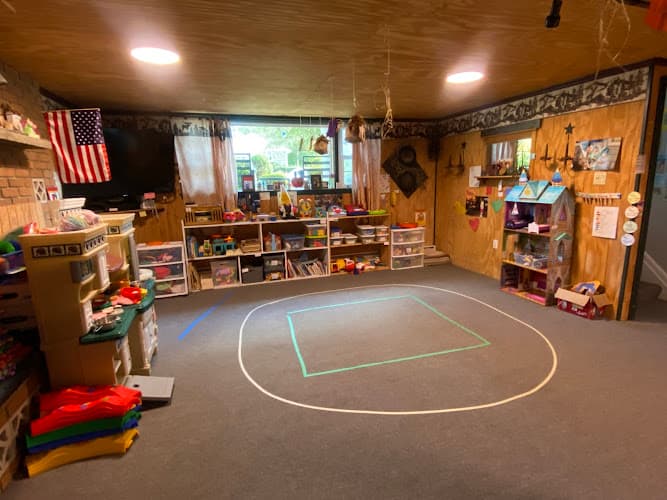
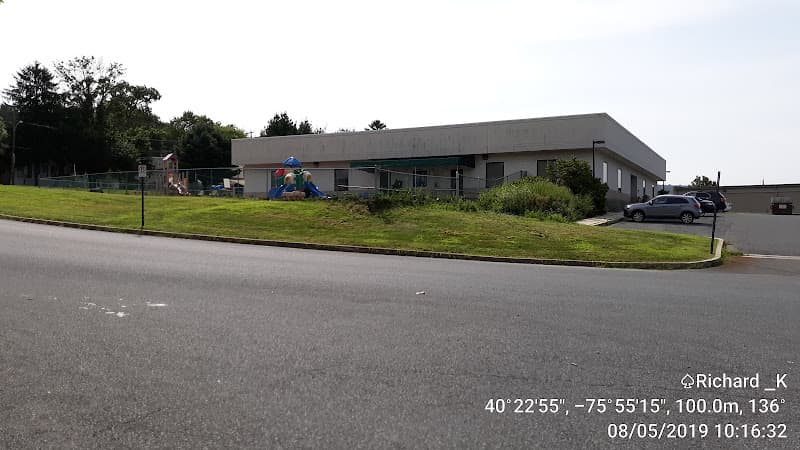
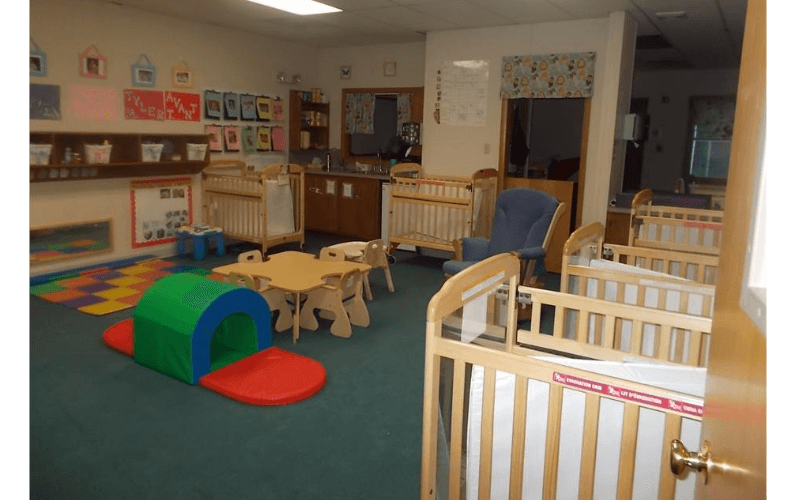
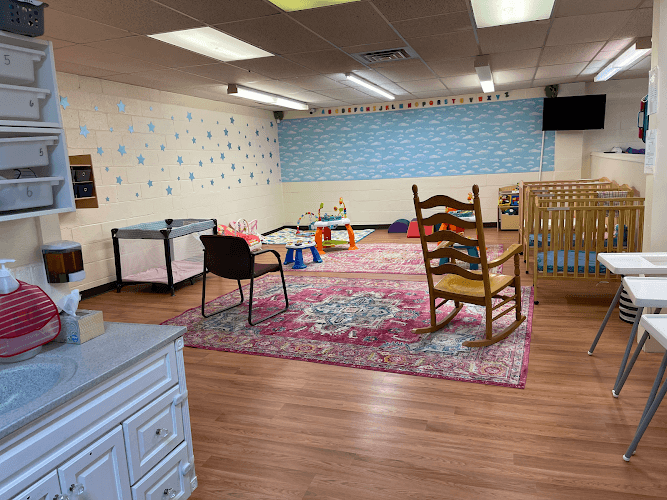
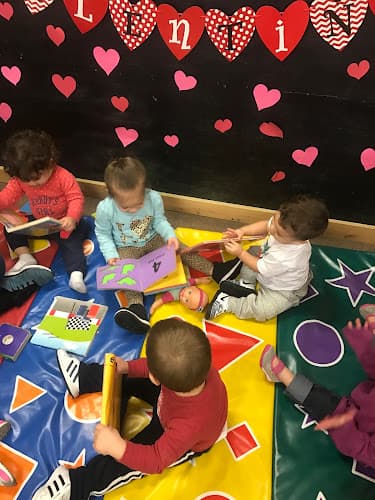
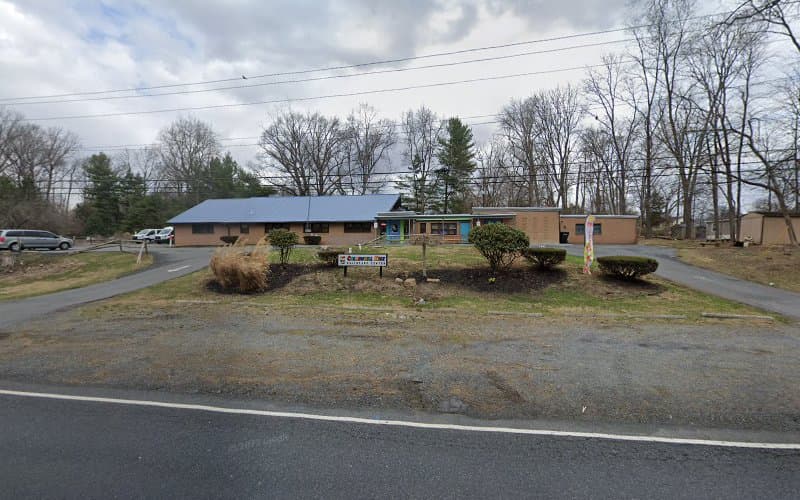
Making Memories with Miss Brenda LLC was a home-based day care center located at 745 Georgia Ave in Reading, Pennsylvania, 19605. The business operated in the Muhlenberg Township area north of downtown Reading and served families from the surrounding Berks County neighborhoods. The listing is marked as permanently closed, so the program is no longer accepting children, but the record remains here for reference, for former families looking up the provider, and for anyone researching child care history in the area. The phone number on file is +1 610-781-1846.
What the Program Did
Making Memories with Miss Brenda was a small, provider-led child care operation rather than a large center with multiple classrooms and rotating staff. That format shaped nearly everything about how the day worked. Children were cared for in a single mixed group setting under the direct supervision of the provider herself, which meant the same adult greeted each child in the morning, led activities through the day, and spoke with parents at pickup. For families who wanted continuity of care and a predictable adult presence, this kind of arrangement is the practical alternative to a larger commercial center.
The program combined supervised care with early learning. Rather than treating child care and preschool preparation as separate things, the day blended the two: structured group times, teacher-led activities, hands-on exploration, and free play were all used as opportunities for skill building. Typical elements of this kind of home day care program include circle time, letter and number work, color and shape recognition, simple science demonstrations, art and sensory activities, music and movement, story reading, outdoor or gross motor play, and meal and rest routines.
Approach to Early Learning
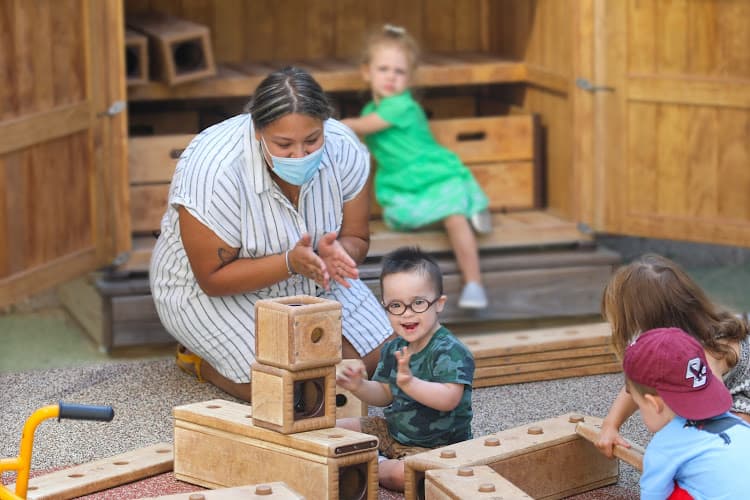
The teaching approach here leaned on play and real experience rather than worksheets. Young children learn concepts most durably when they encounter them in context, and the program was built around that idea. A cooking activity becomes a lesson in counting and measurement. A walk outdoors becomes a lesson in seasons, weather, and the names of living things. A simple experiment with water or color becomes an introduction to prediction and observation. Parents of children who attended the program frequently described this blending of instruction into ordinary activity as the thing that set the day apart from basic supervision.
Daily routine was another defining feature. The schedule followed a consistent order so that children knew what came next, a practice that early childhood educators widely recommend because predictability lowers anxiety in young children and makes transitions between activities easier. Clear expectations and consistent rules were part of the same philosophy. For children new to group care, or for children who needed extra support adjusting to a social setting, this structure gave a stable framework to work within.
Individual Attention and Family Communication
The small group size allowed for attention to individual children that larger ratios often make difficult. Enrollment conversations typically covered a child's strengths, challenges, interests, and any developmental concerns the family had, and the plan for that child was adjusted accordingly. Families who were navigating speech delays, social communication differences, or other early intervention questions found the provider knowledgeable about outside resources and willing to point them toward services and supports they may not have known about.
Ongoing communication with parents was treated as part of the job rather than an extra. Daily updates, observations about progress, and honest conversations about adjustment periods and behavior were standard. This two-way relationship matters practically: when a provider and a family use the same language, the same routines, and the same expectations, young children tend to make faster progress in areas like self-regulation, toileting, and social skills.
Location and Access
Georgia Avenue sits in the residential area north of Reading city proper, convenient to Muhlenberg Township, Temple, Laureldale, Hyde Park, and the commuter routes along Fifth Street Highway and Route 61. For working parents in that corridor, the location was reachable on the way to employers in Reading, Wyomissing, and the Route 222 business corridor. Street and lot access included wheelchair accessible parking, according to the business information on file.
Home-based day care in Pennsylvania is regulated by the state Department of Human Services, with family child care homes and group child care homes subject to certification requirements covering ratios, background clearances, health and safety standards, and provider training. Families researching any provider in the Reading area can verify current certification status and any inspection history through the state's child care certification records.
Practical Notes for Visitors to This Page
- Status: permanently closed. The program is not currently enrolling children.
- Address of record: 745 Georgia Ave, Reading, PA 19605.
- Phone of record: +1 610-781-1846.
- Business type: day care center, operated as a limited liability company under the name Making Memories with Miss Brenda LLC.
- Accessibility: wheelchair accessible parking lot.
Former families who need documentation for tax purposes, such as a provider tax identification number for the child and dependent care credit, or who need attendance or immunization records transferred to a new provider or school district, should reach out using the phone number listed. Records requirements for closed providers vary, and the provider is the first point of contact for any paperwork that may still be available.
Looking for Care in the Same Area
Families in Muhlenberg Township and northern Reading who were considering this program have several options for finding a comparable setting. Pennsylvania's child care resource and referral system can generate lists of certified family child care homes, group homes, and centers by ZIP code, including which providers participate in subsidized care and which hold Keystone STARS quality ratings. The Reading School District and Muhlenberg School District also maintain information on pre-kindergarten and early intervention services for eligible children.
When comparing home-based programs specifically, the questions that tend to matter most are group size and age mix, the daily schedule, how learning activities are structured, how the provider handles behavior and transitions, backup coverage when the provider is ill or on vacation, meal arrangements, and how parents receive updates. Visiting during active hours, rather than after closing, gives the clearest picture of how a program actually runs.