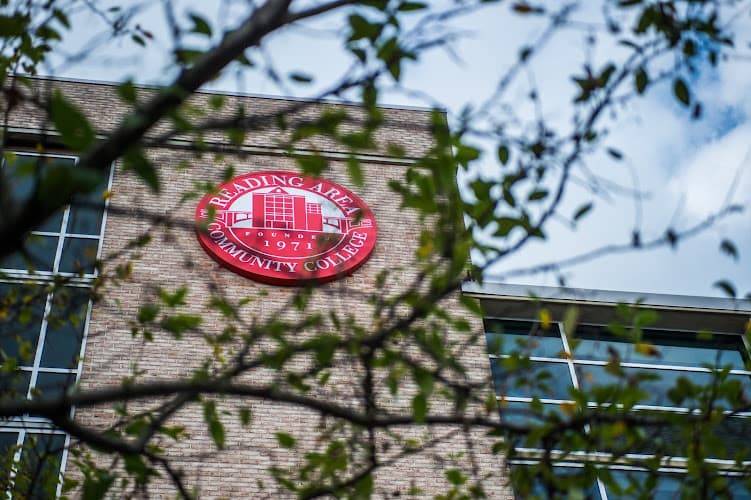
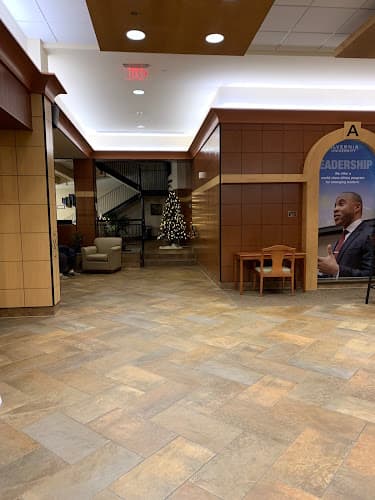
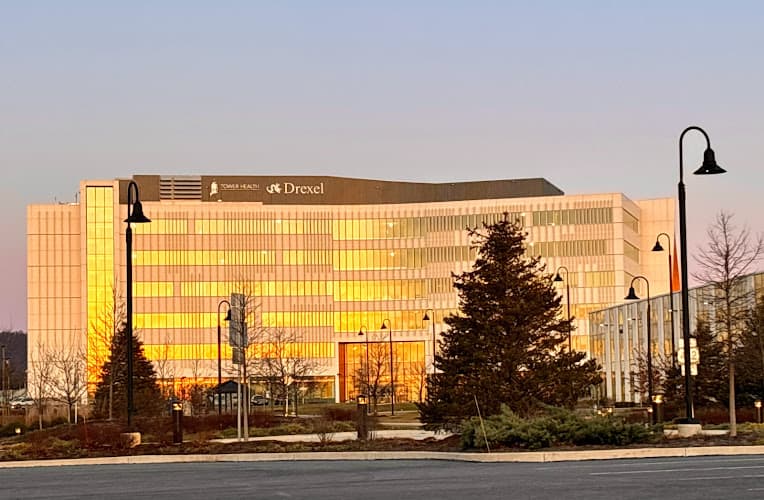
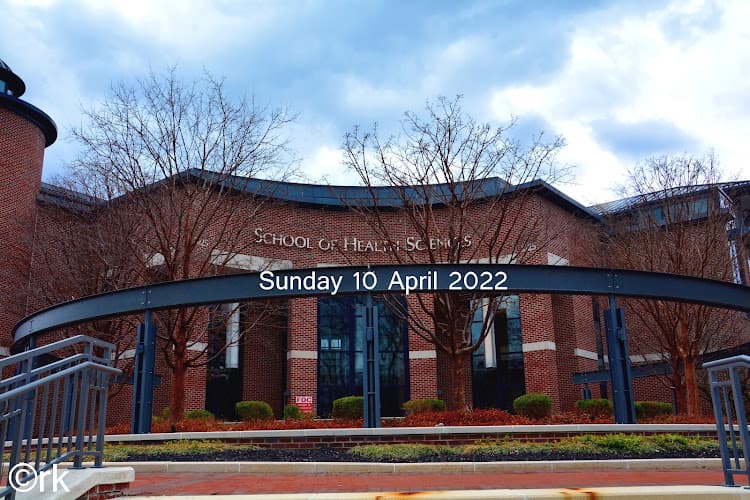
Reading Area Community College, commonly known as RACC, is a public two-year college located at 10 S 2nd St in downtown Reading, Pennsylvania. Founded in 1971, the institution serves Berks County as its designated community college, enrolling recent high school graduates, working adults returning to the classroom, career changers, and high school students taking college courses early. The college awards associate degrees, diplomas, and certificates, and it also operates non-credit workforce training and adult education programs that run on their own schedules throughout the year.
As a community college, RACC has an open admissions policy for most programs, meaning that students who hold a high school diploma or equivalent can enroll without the competitive application process required at many four-year institutions. Selective health care programs, including nursing, generally carry additional entrance requirements such as prerequisite coursework and placement testing. Tuition is tiered, with the lowest rate applying to residents of Berks County, followed by rates for other Pennsylvania residents and out-of-state students.
Campus and Location
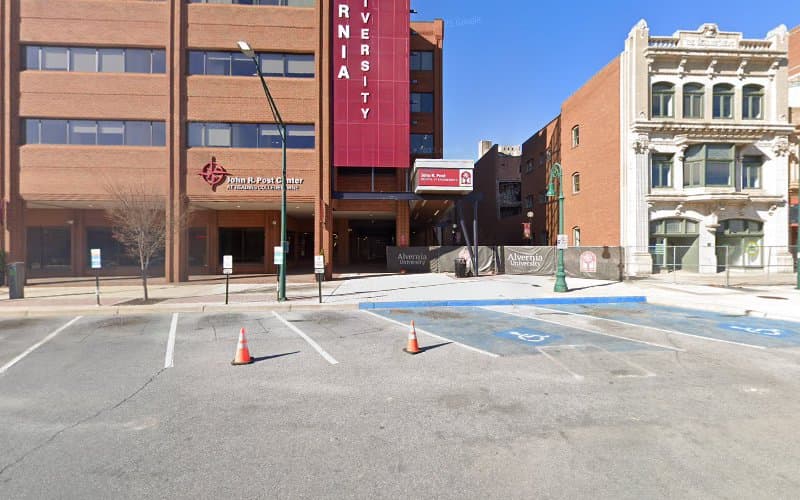
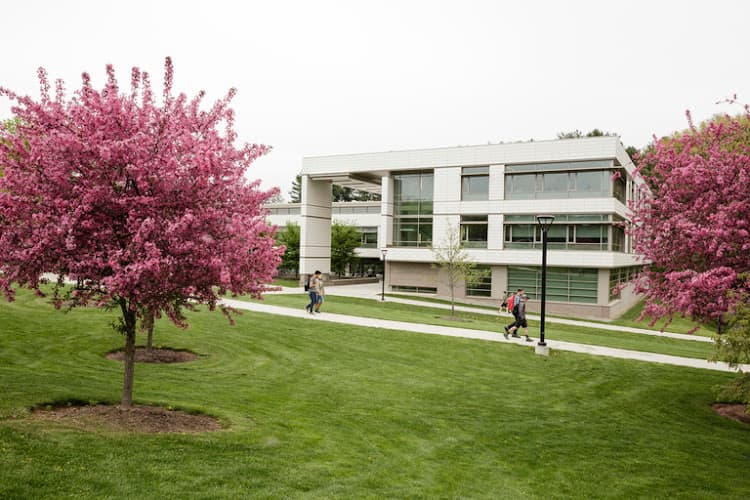
The main campus sits along the Schuylkill River on the western edge of downtown Reading, within walking distance of the Penn Street business district and the county courthouse. The grounds are compact and largely contained within a few connected buildings, which makes moving between classes straightforward compared with sprawling suburban campuses. Berks Hall houses classrooms, laboratories, administrative offices, and student services. The college is served by BARTA bus routes that connect to the downtown transportation center, and the riverfront setting gives the campus an open feel despite its urban address.
The Schmidt Training and Technology Center, located nearby in a converted industrial building, supports hands-on technical instruction and employer-sponsored training. This separation allows trade and manufacturing coursework to take place in shop and lab environments suited to equipment-heavy instruction while general education classes continue on the main campus.
Academic Programs
RACC organizes its credit offerings into transfer-oriented associate of arts and associate of science degrees and career-oriented associate of applied science degrees and certificates. Fields of study have included:
- Nursing and allied health, including registered nursing, practical nursing, and medical assisting pathways
- Business administration, accounting, and management
- Computer information systems, networking, and cybersecurity
- Criminal justice and legal studies
- Early childhood and elementary education
- Engineering, science, and mathematics transfer tracks
- Liberal arts, communication, and social sciences
- Technical and trade certificates supported through the training center
Courses are scheduled during the day, in the evening, online, and in hybrid formats, a structure built around students who work while enrolled. Class sizes are small by design, and instruction is handled by faculty rather than graduate assistants. Students should expect college-level workloads: coursework is designed to meet the standards of receiving institutions so that credits hold their value after transfer.
Transfer Pathways and Dual Enrollment
One of the college's primary functions is preparing students to continue at four-year schools. RACC participates in Pennsylvania's statewide transfer and articulation system and maintains agreements with regional institutions including Kutztown University, Penn State Berks, Albright College, and Alvernia University, among others. Advisors work with students to map course selections against the requirements of a specific destination school and major, which reduces the risk of losing credits at the point of transfer. Students planning to move on are encouraged to meet with an advisor early rather than near graduation, since program requirements at receiving schools can differ by major.
The college also runs dual enrollment arrangements with Berks County school districts, allowing high school students to earn college credit before graduation, sometimes on their home campus and sometimes at RACC. For families, this is often the lowest-cost route to accumulating transferable credit.
Workforce Development and Community Education
Beyond degree programs, RACC provides non-credit training for individuals and employers. This side of the college includes industry certifications, continuing education for licensed professionals, customized training contracted by local manufacturers and health care providers, and short-course offerings for personal enrichment. Adult education services cover high school equivalency preparation, English as a second language instruction, and basic skills coursework, which matters in a city with a large multilingual population. Many of these programs are offered at reduced cost or at no cost to eligible participants through state and federal workforce funding.
Student Services and Campus Resources
Support services on campus include academic advising, tutoring and a learning center, career services, financial aid counseling, veterans services, and disability services for students who need documented accommodations. The college also operates programs aimed at removing practical barriers to attendance, such as food assistance and student emergency resources, reflecting the realities faced by many enrollees who balance classes with jobs and family responsibilities. Student life includes clubs, honor societies, student government, and athletics, along with regular campus events organized around free meals, information sessions, and community gatherings.
The Yocum Library anchors the academic side of campus, providing research collections, databases, study space, and computer access for students and, in many cases, for community members. The Miller Center for the Arts, a performance venue on campus, hosts music, theater, dance, lectures, and film programming that draws audiences from across Berks County and gives students access to professional performances close to home.
Accessibility and Inclusion
The campus is wheelchair accessible, with accessible entrances, restrooms, seating, and parking. The college is identified as LGBTQ+ friendly and as a transgender safe space, and support offices work with students who need accommodations, documentation assistance, or guidance in navigating campus systems.
Practical Information
Reading Area Community College is located at 10 S 2nd St, Reading, PA 19602. The main telephone number is +1 610-372-4721, which can be used to reach admissions, advising, financial aid, and the registrar, or to be directed to a specific department or program coordinator. Prospective students are generally advised to call ahead before visiting in person, since admissions appointments, placement testing, and advising sessions follow scheduled windows that vary by term. Parking is available in college lots near the campus, though spaces fill during peak class hours, and arriving early for a first visit is sensible. Semesters follow a traditional fall and spring calendar with summer and shorter accelerated sessions, and application and registration deadlines differ by program, particularly for health care fields with limited seats.