Find local businesses in Lancaster County, PA.
Browse 620+ businesses across 38 communities in Lancaster County. Find reviews, hours, contact info, and discover local services, restaurants, and shops.
Popular Categories
Featured businesses in Lancaster County
Be the first featured business in Lancaster County!
Get FeaturedOwn a business in Lancaster County?
Get your business found by local customers across Lancaster County. List your business for free and start connecting with customers in your community.
- Local Businesses
- 620+
- Communities
- 38
- Cost to list
- Free
- Support local
- ✓ Yes!
Discover Things to Do in Lancaster County
Explore top restaurants, attractions, entertainment, and outdoor activities
Browse Lancaster County Businesses by City
Explore businesses in Lancaster County's cities and towns
Browse Lancaster County Businesses by Category
Find businesses by type across Lancaster County
About Lancaster County
Where Tradition Drives Innovation
Lancaster County embodies the heart of Pennsylvania Dutch Country, where 555,000 residents create a remarkable economy that honors the past while building the future. This is where horse-drawn buggies share the road with tech companies, where centuries-old farms neighbor advanced manufacturing facilities, and where the nation's oldest inland farmers market operates blocks from cutting-edge healthcare centers. Here, over 12,000 businesses thrive in an environment that values hard work, community, and genuine craftsmanship.
A Powerhouse Economy in Plain Sight
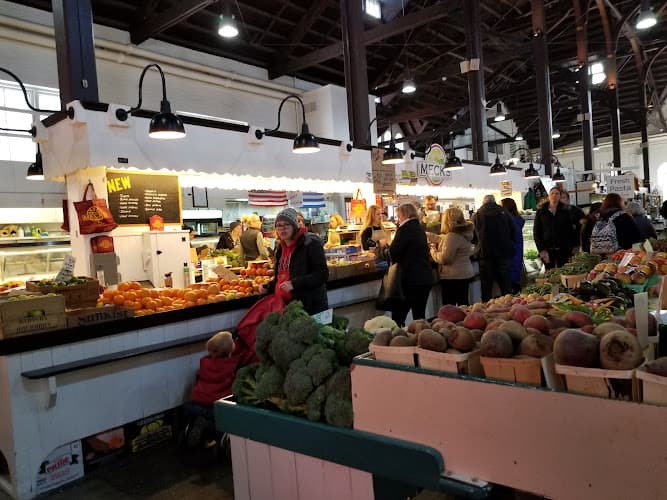
Lancaster City, our vibrant county seat, has transformed from a colonial trading post into a thriving urban center where art galleries occupy former tobacco warehouses and farm-to-table restaurants celebrate our agricultural roots. The city's 4,500 businesses range from tech startups in renovated industrial buildings to traditional Central Market vendors whose families have sold here since 1730.
Beyond the city, the Route 30 corridor through Manheim Township and East Petersburg buzzes with retail and professional services, while the Route 283 logistics corridor connects businesses to major East Coast markets. Travel into our countryside and you'll discover thriving Amish enterprises, tourist destinations like Strasburg and Intercourse, and agricultural operations that feed the nation.
Why Businesses Choose Lancaster
The numbers tell the story: Lancaster County businesses enjoy operating costs 25-40% lower than Philadelphia or Baltimore metros while accessing the same markets. Our median household income of $83,703 exceeds the state average, creating strong local purchasing power. The workforce of 280,000 combines traditional Pennsylvania work ethic with modern skills from Millersville University, Franklin & Marshall College, and Lancaster's technical schools.
Lancaster leads Pennsylvania in agricultural output while simultaneously growing its healthcare, manufacturing, and tourism sectors. The Plain community contributes over 2,000 businesses - from furniture makers to construction companies - operating without websites yet thriving through quality and reputation.
Life in Lancaster County
This is authentic America - where covered bridges cross peaceful streams, where hex signs adorn barn walls, and where Whoopie Pies are serious business. Downtown Lancaster pulses with First Friday art walks, craft breweries, and diverse cuisines reflecting our growing Latino and refugee communities. Meanwhile, towns like Lititz, Ephrata, and Columbia maintain their distinct characters and thriving main streets.
Families love our excellent schools, safe communities, and the fact that $279,400 still buys a real home with a yard. Outdoor enthusiasts explore the Lancaster County Conservancy's preserves, bike the Northwest River Trail, or kayak the Susquehanna. And everyone enjoys the county's legendary dining scene, from shoofly pie to Puerto Rican mofongo.
Strategic Mid-Atlantic Location
Lancaster County's position is unbeatable. Philadelphia sits 70 miles east. Baltimore is 75 miles south. New York City is 160 miles northeast. Harrisburg, the state capital, is just 35 miles northwest. This prime location means businesses can reach 50 million consumers within a three-hour drive - without paying big-city prices.
Major transportation arteries make connections easy: Route 30 crosses the county east-west, Route 283 links to the Pennsylvania Turnpike, Route 222 provides north-south access, and Amtrak's Keystone Corridor offers direct rail service to Philadelphia and New York.
Connect with Lancaster County Businesses
Whether you're seeking local artisans, exploring our booming food scene, finding professional services, or discovering business opportunities, our directory connects you with Lancaster County's diverse business community. From Lancaster City's urban energy to quiet Amish farmlands, from major healthcare systems to roadside produce stands, experience what makes Lancaster County one of America's most successful local economies.
Lancaster County Demographics & Statistics
Population Statistics (2023)
Total Population
555,151
Median Age
39.1 years
Population Density
38 communities
Lancaster County Economic Overview
Median Household Income
$83,703
Poverty Rate
8.7%
Unemployment Rate
3.3%
Lancaster County Housing Market
Median Home Value
$279,400
Median Rent
$1,289/mo
Owner Occupied
70%
Lancaster County Education Attainment (Adults 25+)
Frequently Asked Questions About Lancaster County
What is the population of Lancaster County?
As of 2023, Lancaster County has a population of approximately 555,151 residents, making it the 6th most populous county in Pennsylvania. The population has grown 8.2% since 2010, with strong growth in both urban Lancaster City and suburban townships like Manheim and Warwick.
What are the major cities and towns in Lancaster County?
The largest city is Lancaster (county seat) with 58,000 residents, followed by Ephrata, Elizabethtown, Lititz, Columbia, Manheim, and Millersville. The county comprises 60 municipalities with over 12,000 businesses, including unique communities like Intercourse, Bird-in-Hand, and Paradise that attract millions of tourists annually.
How do I start a business in Lancaster County?
Starting a business requires registering with the PA Department of State, obtaining an EIN from the IRS, and securing local permits through your municipality. Lancaster City requires a business privilege tax account, while townships have varying requirements. The Lancaster Chamber and SCORE Lancaster provide free counseling, and special considerations apply for Plain community businesses.
What are the major employers in Lancaster County?
Major employers include Lancaster General Health/Penn Medicine (9,000+ employees), Armstrong World Industries, High Industries, Turkey Hill Dairy, Dart Container, Fulton Bank headquarters, and numerous Amish-owned manufacturing companies. The county's 12,000+ businesses employ across diverse sectors including healthcare, manufacturing, agriculture, and tourism.
What is the average commercial rent in Lancaster County?
Commercial rental rates vary: downtown Lancaster office space averages $14-20/sq ft, suburban retail in areas like Park City runs $18-28/sq ft, and warehouse space along Route 283 costs $5-9/sq ft. These rates are 25-40% lower than Philadelphia or Baltimore metros, attracting businesses seeking affordable expansion.
What business incentives are available in Lancaster County?
Lancaster County offers LERTA tax abatements, Keystone Innovation Zones for tech companies, RACP grants for development, and special agriculture preservation programs. The Lancaster County Economic Development Company provides financing options, and the city offers facade improvement grants for downtown businesses.
How far is Lancaster County from major cities?
Lancaster City is strategically located 70 miles from Philadelphia (1.5 hours), 75 miles from Baltimore (1.5 hours), 160 miles from NYC (3 hours), and 35 miles from Harrisburg (40 minutes). This provides access to over 50 million consumers within a 3-hour drive, perfect for distribution and customer reach.
What highways run through Lancaster County?
Major highways include US Route 30 (east-west across the county), Route 283 (connecting to PA Turnpike), US Route 222 (north-south corridor), and Route 272 (Old Philadelphia Pike). These provide excellent access for the county's 1,200+ transportation and logistics businesses and support tourism traffic.
What is the workforce like in Lancaster County?
Lancaster County has a labor force of approximately 280,000 workers known for strong work ethic and reliability. The median age is 38.5 years, with 28.1% holding bachelor's degrees or higher. The Plain community provides skilled craftsmen and manufacturers, while colleges supply professional talent for the county's diverse businesses.
What languages are spoken in Lancaster County?
While English predominates, Pennsylvania Dutch is spoken by 40,000+ Old Order Amish and Mennonites. Spanish is increasingly common with a growing Hispanic population (10%+) especially in Lancaster City. Many businesses offer bilingual services, and the Plain community conducts business in both English and Pennsylvania Dutch.
Is Lancaster County good for manufacturing businesses?
Yes, Lancaster County excels in manufacturing with 40,000+ manufacturing jobs across 650+ manufacturers. The skilled workforce, including exceptional Amish craftsmen, lower operating costs than metro areas, and excellent highway access make it ideal for manufacturing. The county ranks in Pennsylvania's top 5 for manufacturing output.
What agricultural businesses thrive in Lancaster County?
Lancaster County leads Pennsylvania with $2+ billion in agricultural sales annually. The county has 5,200+ farms on 420,000 acres, making it the most productive non-irrigated county in the US. Dairy, poultry, mushrooms, and produce dominate, while agritourism, farmers markets, and farm-to-table restaurants create additional opportunities.
How is the healthcare sector in Lancaster County?
Healthcare is a major employer with Lancaster General Health/Penn Medicine, WellSpan Ephrata, and numerous facilities employing 30,000+ workers across 1,500+ healthcare businesses. This creates opportunities for medical suppliers, home health services, specialized care providers, and medical technology companies.
Where are the main commercial districts in Lancaster County?
Key commercial areas include downtown Lancaster (arts, dining, and professional services), Route 30 corridor through Manheim Township (major retail), Park City Center area (regional shopping), and tourist zones in Intercourse, Bird-in-Hand, and Strasburg. The county's 2,000+ retail businesses cluster in these districts.
What is the sales tax in Lancaster County?
Pennsylvania's 6% sales tax applies throughout Lancaster County with no additional local sales tax. Clothing, unprepared food, and manufacturing equipment are tax-exempt. This competitive rate benefits the county's retail and tourism businesses, especially compared to Maryland's higher rates.
Is Lancaster County growing?
Lancaster County shows strong, steady growth with 8.2% population increase since 2010 and continuous economic expansion. Major developments include the Lancaster Square redevelopment, expansion of Lancaster General Hospital, and growth in warehouse/logistics along Route 283. The county adds 400+ new businesses annually.
What is the cost of living in Lancaster County?
Lancaster County offers affordable living with median home values at $279,400 and median household income at $83,703. Overall cost of living is 3% below the national average and 20-30% lower than Philadelphia or Baltimore metros, helping businesses attract and retain workers while maintaining competitive wages.
Does Lancaster County have public transportation?
Red Rose Transit Authority operates 17 bus routes in Lancaster City and surrounding areas. However, most residents rely on personal vehicles. Amtrak's Lancaster station provides rail service to Philadelphia (70 minutes) and NYC (3.5 hours). The county is 45 minutes from Harrisburg International Airport.
What permits do I need to open a restaurant in Lancaster County?
Restaurants need a PA business license, EIN, local permits, health license from Lancaster County Health Department, liquor license (if applicable) from PLCB, and fire safety inspection. Lancaster City requires additional permits. The process typically takes 2-4 months. The county has 1,100+ food service establishments.
How do Lancaster County property taxes compare to surrounding counties?
Lancaster County's average effective property tax rate is 1.33%, lower than Berks (1.54%) and Dauphin (1.40%) but higher than York (1.24%). Combined with strong property values and economic growth, this makes Lancaster attractive for the county's 800+ real estate businesses and investors.
Are there co-working spaces in Lancaster County?
Yes, Lancaster has several co-working spaces including The Candy Factory, Assets Lancaster, Benchmark Construction's co-working space, and The Mill in Elizabethtown. These serve the county's growing freelance and startup community. Rates range from $125-450/month for dedicated desks.
What banks offer small business loans in Lancaster County?
Major lenders include Fulton Bank (headquartered here), Lancaster County Community Foundation, Customers Bank, PNC, and numerous local credit unions. The county's 150+ financial institutions offer various loan products. SCORE Lancaster and the SBDC provide free assistance with loan applications.
What are the fastest-growing business sectors in Lancaster County?
Healthcare services, logistics/warehousing (along Route 283), craft beverages (20+ breweries), agritourism, and professional services show strong growth. The Hispanic business community is rapidly expanding in Lancaster City, while Plain community businesses continue steady growth in manufacturing and construction.
Can I operate a home-based business in Lancaster County?
Yes, most Lancaster County municipalities allow home-based businesses with proper permits. Requirements vary by township but typically limit customer traffic, signage, and employees. Plain community members often operate successful home-based businesses. Check with your specific municipality among the county's 60 communities.
How does Lancaster County support Plain community businesses?
Lancaster County accommodates Amish and Mennonite businesses through flexible regulations allowing for traditional practices. Many Plain businesses operate successfully without websites, using word-of-mouth and quality reputation. The county provides resources for these 2,000+ businesses while respecting religious practices regarding technology and commerce.