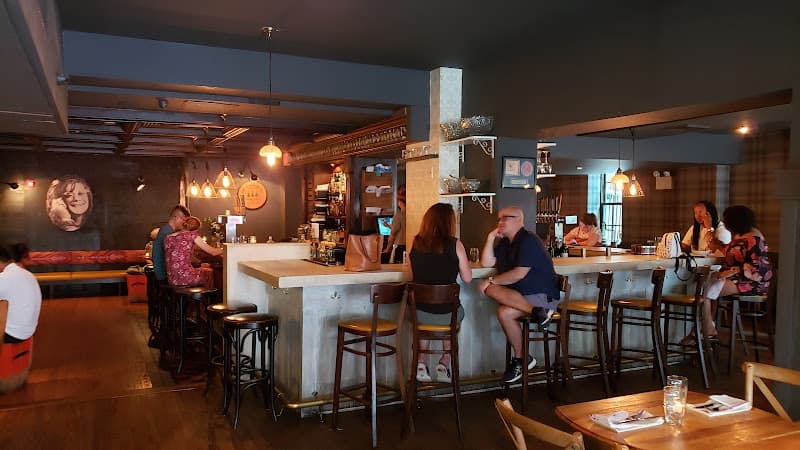
Find local businesses in Philadelphia County, PA.
Browse 12+ businesses across 1 communities in Philadelphia County. Find reviews, hours, contact info, and discover local services, restaurants, and shops.
Popular Categories
Browse by City
Featured businesses in Philadelphia County
Be the first featured business in Philadelphia County!
Get FeaturedOwn a business in Philadelphia County?
Get your business found by local customers across Philadelphia County. List your business for free and start connecting with customers in your community.
- Local Businesses
- 12+
- Communities
- 1
- Cost to list
- Free
- Support local
- ✓ Yes!
Discover Things to Do in Philadelphia County
Explore top restaurants, attractions, entertainment, and outdoor activities
Browse Philadelphia County Businesses by City
Explore businesses in Philadelphia County's cities and towns
Browse Philadelphia County Businesses by Category
Find businesses by type across Philadelphia County
About Philadelphia County
The Heartbeat of American Independence
Philadelphia County encompasses the entire City of Philadelphia, where 1.58 million residents live and work among cobblestone streets and gleaming skyscrapers. This is where the Declaration of Independence was signed, where cheesesteaks were invented, and where over 42,000 businesses create one of the most diverse urban economies in America. From the Liberty Bell to cutting-edge biotech labs, Philadelphia blends revolutionary history with modern innovation.
A Powerhouse Economy
Center City Philadelphia pulses as the economic engine of the region, housing Fortune 500 headquarters, world-renowned hospitals, and prestigious universities. The Navy Yard has transformed from military shipbuilding into a 1,200-acre innovation campus hosting 150+ companies. University City anchors the eds and meds corridor, where Penn, Drexel, and major health systems employ over 75,000 people.
Beyond the downtown core, neighborhoods like Fishtown buzz with creative businesses and tech startups, while South Philadelphia maintains its tradition of family-owned Italian markets and restaurants. Northeast Philadelphia's industrial corridors keep manufacturing alive, and West Philadelphia showcases a growing corridor of minority-owned enterprises.
Why Businesses Choose Philadelphia
The numbers tell the story: Philadelphia offers 30-40% lower operating costs than New York or Washington DC while maintaining access to the entire Northeast Corridor. Our workforce of 700,000+ combines Ivy League graduates from Penn with skilled trades from strong union traditions. The city's 10-year tax abatement on new construction and various Keystone Opportunity Zones provide serious savings.
Plus, Philadelphia is experiencing a renaissance. Tech companies are flocking to converted warehouses, life sciences companies cluster around world-class hospitals, and the creative economy thrives with over 2,000 arts-related businesses. The diverse population - no single ethnic group forms a majority - creates rich market opportunities.
Life in the City of Neighborhoods
Philadelphia is really 50+ distinct neighborhoods, each with its own character. Rittenhouse Square offers upscale urban living, Manayunk provides a small-town feel along the Schuylkill River, and Port Richmond maintains its Polish heritage. This isn't just a city - it's a collection of communities where corner stores know your name and block parties shut down streets.
For culture lovers, Philadelphia delivers world-class museums, America's oldest continuously operating theater, and more public art than any other U.S. city. Sports fans bleed green for the Eagles, orange for the Flyers, red for the Phillies, and blue for the 76ers. Foodies explore everything from Reading Terminal Market's 80+ vendors to James Beard Award-winning restaurants.
Strategic Location in the Northeast
Philadelphia sits at the center of the Boston-Washington megalopolis. New York City is just 95 miles northeast (90 minutes by train). Washington DC is 140 miles southwest. Baltimore is 100 miles away. This prime location means businesses can reach 30% of the U.S. population within a day's drive.
Transportation infrastructure is unmatched: I-95 runs along the Delaware River, I-76 (Schuylkill Expressway) connects to Pennsylvania Turnpike, I-676 crosses center city, and SEPTA operates the nation's sixth-largest public transit system. Philadelphia International Airport offers direct flights worldwide, while 30th Street Station is Amtrak's third-busiest hub.
Connect with Philadelphia Businesses
Whether you're seeking legal services in Center City, exploring authentic ethnic restaurants in South Philadelphia, finding innovative startups in Northern Liberties, or connecting with healthcare providers in University City, our directory links you to Philadelphia County's vibrant business ecosystem. From global corporations to neighborhood shops that have served families for generations, discover what makes Philadelphia the economic heart of the Delaware Valley.
Philadelphia County Demographics & Statistics
Population Statistics (2023)
Total Population
1,582,432
Median Age
35.1 years
Population Density
1 communities
Philadelphia County Economic Overview
Median Household Income
$60,698
Poverty Rate
22%
Unemployment Rate
8.4%
Philadelphia County Housing Market
Median Home Value
$232,400
Median Rent
$1,323/mo
Owner Occupied
52%
Philadelphia County Education Attainment (Adults 25+)
Frequently Asked Questions About Philadelphia County
What is the population of Philadelphia County?
As of 2023, Philadelphia County has a population of 1,582,432 residents, making it the most populous county in Pennsylvania and the sixth-largest city in the United States. The population has grown 5.1% since 2010, with the strongest growth in Center City and surrounding neighborhoods.
What are the major neighborhoods and districts in Philadelphia?
Philadelphia comprises numerous distinct neighborhoods including Center City (downtown business district), University City, Old City, South Philadelphia, Northeast Philadelphia, Fishtown, Northern Liberties, Rittenhouse Square, Manayunk, and Chestnut Hill. The city officially recognizes 18 planning districts containing hundreds of smaller neighborhoods, hosting over 42,000 businesses.
How do I start a business in Philadelphia?
Starting a business in Philadelphia requires obtaining a Commercial Activity License (formerly Business Privilege License) from the Department of Licenses and Inspections, registering for a Philadelphia Tax Account, obtaining an EIN from the IRS, and registering with Pennsylvania Department of State. The city's Commerce Department offers free counseling through programs like the Business Services team and multiple Small Business Development Centers.
What are the major employers in Philadelphia County?
The largest employers include University of Pennsylvania (39,000+ employees), Jefferson Health System (35,000+), Children's Hospital of Philadelphia (20,000+), Temple University (15,000+), Comcast Corporation (12,000+), and the City of Philadelphia government (25,000+). The county has strong healthcare, education, financial services, and technology sectors employing hundreds of thousands.
What is the average commercial rent in Philadelphia?
Commercial rental rates vary significantly by neighborhood: Center City office space averages $32-45/sq ft, University City runs $28-38/sq ft, emerging neighborhoods like Fishtown cost $18-25/sq ft, and industrial space in Northeast Philadelphia averages $8-12/sq ft. These rates are 30-40% lower than Manhattan or Washington DC, attracting businesses seeking urban amenities at lower costs.
What business incentives are available in Philadelphia?
Philadelphia offers a 10-year tax abatement on property improvements, Keystone Opportunity Zones with state and local tax relief, the Job Creation Tax Credit, Business Income and Receipts Tax reductions for new businesses, and various grant programs through PIDC (Philadelphia Industrial Development Corporation). The city also provides facade improvement programs and storefront improvement grants for qualifying businesses.
How far is Philadelphia from other major cities?
Philadelphia is strategically located 95 miles from New York City (90 minutes by Amtrak), 140 miles from Washington DC (100 minutes by train), 100 miles from Baltimore (90 minutes), 60 miles from Atlantic City (1 hour), and 30 miles from Trenton. This prime Northeast Corridor location provides access to over 100 million consumers within a 500-mile radius.
What highways and transportation routes serve Philadelphia County?
Major highways include I-95 (East Coast corridor), I-76 (Schuylkill Expressway to PA Turnpike), I-676 (Vine Street Expressway), and US Route 1 (Roosevelt Boulevard). SEPTA operates 120 bus routes, 8 trolley lines, 3 subway lines, and 13 regional rail lines. The city also has extensive bike lanes and the Indego bike-share system with 200+ stations.
What is the workforce like in Philadelphia County?
Philadelphia has a labor force of approximately 700,000 workers with 31.8% holding bachelor's degrees or higher. The city benefits from 100+ colleges and universities in the metro area producing 100,000+ graduates annually. The workforce is highly diverse with strengths in healthcare, professional services, education, and emerging tech sectors, supporting the county's 42,000+ businesses.
What languages are spoken in Philadelphia?
While English is predominant, Philadelphia is incredibly diverse with over 140 languages spoken. Spanish is spoken by 13% of residents, followed by Chinese (3%), Vietnamese, Russian, and French. Many neighborhoods maintain strong ethnic identities - Italian in South Philly, Vietnamese in South Philadelphia's east side, and Spanish throughout North Philadelphia, creating rich opportunities for multilingual businesses.
Is Philadelphia good for technology and startup businesses?
Yes, Philadelphia's tech scene is rapidly growing with over 4,500 tech companies employing 50,000+ workers. The city offers lower costs than other East Coast tech hubs, strong university partnerships for talent, accelerators like Pennovation and Science Center, and significant venture capital investment exceeding $2 billion annually. Neighborhoods like University City and Northern Liberties have become tech hotspots.
How strong is Philadelphia's healthcare and life sciences sector?
Philadelphia is a global healthcare leader with 35+ hospitals, including nationally-ranked institutions like Penn Medicine, Jefferson Health, and Children's Hospital of Philadelphia. The life sciences sector employs 80,000+ people across 1,200+ companies, with particular strength in gene therapy, medical devices, and pharmaceutical research. The city accounts for 80% of the region's $19 billion life sciences economy.
What is Philadelphia's restaurant and food scene like for businesses?
Philadelphia's food scene includes 4,500+ restaurants ranging from James Beard Award winners to beloved neighborhood spots. The city is famous for cheesesteaks, soft pretzels, and water ice, but also offers diverse cuisines reflecting its immigrant communities. Reading Terminal Market, Italian Market, and numerous farmers markets provide fresh ingredients. The restaurant industry employs 75,000+ people and generates $6 billion annually.
Where are the main commercial districts in Philadelphia?
Key commercial areas include Center City (largest downtown district after NYC and Chicago), University City (eds and meds corridor), Navy Yard (innovation campus), Northern Liberties/Fishtown (creative businesses), South Philadelphia (traditional retail and markets), and Northeast Philadelphia (industrial and big-box retail). Each district offers different advantages for the county's 42,000+ businesses.
What is the sales tax in Philadelphia?
Philadelphia has an 8% total sales tax (6% Pennsylvania state tax plus 2% city tax), higher than surrounding counties but still competitive regionally. The city also imposes a 3.8712% Business Income and Receipts Tax (BIRT) on gross receipts, though new businesses receive discounts. These taxes fund city services that support the business community.
Is Philadelphia County growing economically?
Yes, Philadelphia is experiencing significant growth with $150+ billion GDP, making it the 8th largest metro economy in the U.S. The city added 15,000+ businesses since 2010, with particular growth in tech, healthcare, and professional services. Major developments include the $4.5 billion Schuylkill Yards project, Navy Yard expansion, and numerous neighborhood revitalization initiatives.
What is the cost of living in Philadelphia?
Philadelphia's cost of living is about 6% above the national average but 20-30% lower than New York or Washington DC. Median household income is $60,698, median home value is $232,400, and median rent is $1,400/month. The city offers urban amenities at relatively affordable prices, though costs vary significantly by neighborhood.
How extensive is Philadelphia's public transportation system?
SEPTA (Southeastern Pennsylvania Transportation Authority) operates the nation's 6th largest transit system with subway lines (Broad Street Line, Market-Frankford Line), trolleys, 120+ bus routes, and regional rail reaching suburbs. The system handles 300 million trips annually. Most businesses are within walking distance of transit, reducing parking needs and expanding customer/employee access.
What permits do I need to open a restaurant in Philadelphia?
Philadelphia restaurants need a Commercial Activity License, Food Establishment License from the Health Department, Certificate of Occupancy, fire safety approvals, and potentially a liquor license from the Pennsylvania Liquor Control Board. Sidewalk café permits are required for outdoor seating. The process typically takes 3-6 months. The city has 4,500+ food establishments operating successfully.
How do Philadelphia property taxes compare to surrounding areas?
Philadelphia's property tax rate is 1.3998% of assessed value, competitive with surrounding counties. However, the city offers a 10-year tax abatement on improvements for new construction and renovations, making it attractive for development. Commercial properties benefit from various programs reducing effective tax rates, supporting the county's robust real estate market.
Are there co-working spaces in Philadelphia?
Yes, Philadelphia has 50+ co-working spaces including WeWork (multiple locations), Industrious, Pipeline Workspaces, and local options like Indy Hall and The Yard. These serve freelancers, startups, and remote workers with rates from $200-600/month for hot desks and $400-1,200 for private offices. University City and Center City have the highest concentrations.
What banks offer small business loans in Philadelphia?
Major lenders include TD Bank, PNC, Citizens Bank, Wells Fargo, and local institutions like Republic Bank and Beneficial Bank. Community Development Financial Institutions (CDFIs) like PIDC, Reinvestment Fund, and Enterprise Center CDC specialize in small business lending. The city's Office of Business Services can connect businesses with appropriate lending resources.
What are Philadelphia's unique advantages for arts and creative businesses?
Philadelphia has the largest percentage of artists per capita of major U.S. cities, with 2,000+ creative businesses. The city offers the country's most extensive public art program (1% for Art), numerous galleries and performance spaces, affordable studio space compared to other East Coast cities, and strong institutional support from organizations like the Philadelphia Cultural Fund and Creative Philadelphia.
Can I operate a home-based business in Philadelphia?
Yes, Philadelphia allows home-based businesses with a Commercial Activity License and compliance with zoning codes. Most residential zones permit low-impact home offices with restrictions on customer visits, employees, signage, and commercial vehicles. The city's L&I department can confirm specific zoning requirements for your address among the city's diverse residential neighborhoods.
What makes Philadelphia unique for minority and immigrant-owned businesses?
Philadelphia is a majority-minority city with no ethnic group exceeding 50% of population, creating diverse market opportunities. The city's Office of Economic Opportunity certifies minority/women/disabled-owned businesses for contracting advantages. Strong immigrant communities in South Philadelphia (Asian), North Philadelphia (Latino), and Northeast Philadelphia (Eastern European) provide built-in customer bases and cultural business corridors.