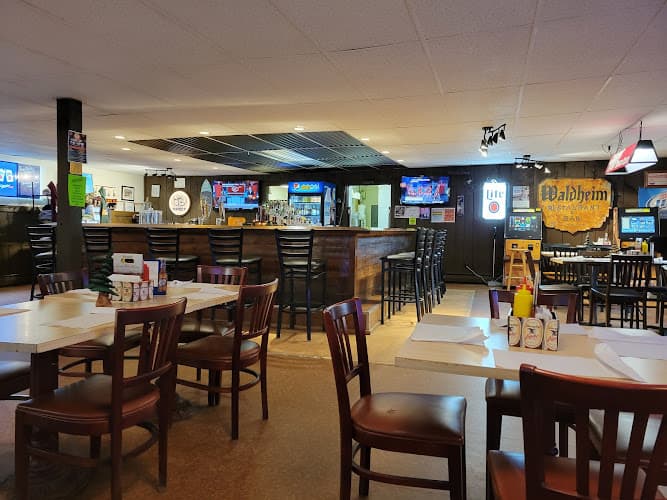
Find local businesses in Potter County, PA.
Browse 0+ businesses across 0 communities in Potter County. Find reviews, hours, contact info, and discover local services, restaurants, and shops.
Featured businesses in Potter County
Be the first featured business in Potter County!
Get FeaturedOwn a business in Potter County?
Get your business found by local customers across Potter County. List your business for free and start connecting with customers in your community.
- Local Businesses
- 0+
- Communities
- 0
- Cost to list
- Free
- Support local
- ✓ Yes!
Discover Things to Do in Potter County
Explore top restaurants, attractions, entertainment, and outdoor activities
Browse Potter County Businesses by City
Explore businesses in Potter County's cities and towns
No cities found for this county.
Browse Potter County Businesses by Category
Find businesses by type across Potter County
No categories found for this county.
About Potter County
Welcome to Pennsylvania's Last Frontier
Potter County sprawls across north-central Pennsylvania's highest plateau, where 16,000 residents and over 400 businesses thrive amid some of the darkest night skies east of the Mississippi. This is "God's Country" - where the headwaters of the Allegheny River begin, where elk roam freely, and where small-town entrepreneurs build businesses surrounded by a million acres of forest.
A Heritage of Independence
Coudersport, our county seat of 2,400 residents, anchors a network of small communities that have weathered economic storms through sheer determination. Once home to thriving lumber and tanning industries, today's Potter County economy balances traditional manufacturing with outdoor recreation, healthcare, and a growing tourism sector drawn to our unspoiled wilderness.
From Galeton's resilient Main Street to Austin's rebuilt downtown (famously reconstructed after the 1911 dam failure), our communities demonstrate the self-reliant spirit that defines Potter County. Small businesses here aren't just enterprises - they're lifelines connecting neighbors across vast rural distances.
Why Businesses Choose Potter County
The economics are compelling: commercial space costs 60-70% less than urban Pennsylvania. Our median home value of $146,200 means employees can actually afford to live where they work. The trade-off for remoteness is remarkable quality of life - zero traffic, pristine air, and access to outdoor recreation that city dwellers drive hours to experience.
Manufacturing still provides our economic backbone, with companies like Morgan Advanced Materials in Coudersport proving that precision manufacturing thrives in rural settings. Healthcare anchors stable employment through UPMC Cole, while a growing outdoor recreation economy creates opportunities for guides, outfitters, lodges, and artisan businesses.
Life in God's Country
This is authentic rural America at its finest. The Pennsylvania Lumber Museum tells our forestry story. Cherry Springs State Park draws astronomers from around the world to our gold-tier dark skies. The Susquehannock Trail System offers 85 miles of backpacking through untouched wilderness. And yes, you might spot an elk on your morning commute.
Families appreciate safe communities where kids still walk to school and neighbors know each other. Outdoor enthusiasts find paradise with thousands of acres of state forest, prime trout streams, and hunting grounds that define Pennsylvania tradition. The pace is slower, the air cleaner, and the sense of community stronger than anywhere else in the Commonwealth.
Strategic Solitude
Potter County's location offers strategic advantages for the right businesses. Route 6 provides our east-west lifeline, connecting to Wellsboro and eventually Scranton. Route 49 heads south toward Lock Haven and Interstate 80. Buffalo is 90 miles north, Williamsport 75 miles south, and State College 80 miles southeast.
While we're admittedly remote, that remoteness is our strength. Businesses needing quiet for concentration, space for expansion, or proximity to natural resources find exactly what they need here. Plus, broadband expansion initiatives are connecting our rural communities to global markets.
Discover Potter County Businesses
Whether you're seeking local services, planning outdoor adventures, finding healthcare providers, or exploring business opportunities, our directory connects you with Potter County's tight-knit business community. From Coudersport's downtown shops to remote general stores serving as community hubs, from precision manufacturers to wilderness guides, discover what makes Potter County a unique place to build a business and a life.
Potter County Demographics & Statistics
Population Statistics (2023)
Total Population
16,276
Median Age
48.2 years
Population Density
0 communities
Potter County Economic Overview
Median Household Income
$59,840
Poverty Rate
11.7%
Unemployment Rate
4.5%
Potter County Housing Market
Median Home Value
$146,200
Median Rent
$767/mo
Owner Occupied
80%
Potter County Education Attainment (Adults 25+)
Frequently Asked Questions About Potter County
What is the population of Potter County?
As of 2023, Potter County has a population of approximately 16,276 residents, making it one of Pennsylvania's least densely populated counties with just 15 people per square mile. The population has remained relatively stable, with most residents concentrated in Coudersport and along the Route 6 corridor.
What are the major cities and towns in Potter County?
Coudersport (county seat) is the largest borough with about 2,400 residents, followed by Galeton, Ulysses, Austin, Shinglehouse, and Oswayo. The county comprises 29 municipalities with over 400 businesses distributed across these small communities and rural townships.
How do I start a business in Potter County?
Starting a business in Potter County requires registering with the PA Department of State, obtaining an EIN from the IRS, and securing local permits through your municipality. Coudersport and other boroughs have specific zoning requirements. The Northern Tier Regional Planning and Development Commission offers free business counseling and assistance.
What are the major employers in Potter County?
The largest employers include UPMC Cole (healthcare, 500+ employees), Morgan Advanced Materials in Coudersport (manufacturing), Potter County government, Coudersport Area School District, and various lumber and wood products companies. The county has over 400 businesses with strong manufacturing, healthcare, and tourism sectors.
What is the average commercial rent in Potter County?
Commercial rental rates are exceptionally affordable: downtown Coudersport retail space averages $4-8/sq ft, office space runs $5-10/sq ft, and industrial/warehouse space costs $3-6/sq ft. These rates are 60-70% lower than urban Pennsylvania markets, making Potter County attractive for cost-conscious businesses.
What business incentives are available in Potter County?
Potter County businesses can access PA DCED grants, Keystone Innovation Zone tax credits, low-interest loans through the Northern Tier Regional Planning and Development Commission, and workforce development programs through PA CareerLink. The county's designation as part of the PA Wilds initiative provides additional tourism-related funding opportunities.
How far is Potter County from major cities?
Coudersport is approximately 90 miles from Buffalo, NY (2 hours), 75 miles from Williamsport (1.5 hours), 80 miles from State College (1.75 hours), 150 miles from Pittsburgh (3 hours), and 200 miles from Philadelphia (4 hours). This rural location offers peaceful business operations while maintaining regional accessibility.
What highways run through Potter County?
U.S. Route 6 is the main east-west corridor through Potter County, designated as a National Scenic Byway. Route 49 provides north-south access, Route 44 connects to Jersey Shore and I-80, and Route 872 links western communities. While no interstates cross the county, these well-maintained state routes provide reliable transportation.
What is the workforce like in Potter County?
Potter County has a labor force of approximately 7,500 workers known for strong work ethic and reliability. The median age is 48 years, providing experienced workers. While 16.7% hold bachelor's degrees or higher, the workforce excels in skilled trades, manufacturing, and outdoor occupations essential to local businesses.
What languages are spoken in Potter County?
English is the predominant language spoken by over 98% of Potter County residents. The county has a small but growing Amish and Mennonite population who also speak Pennsylvania Dutch. Most of the county's 400+ businesses operate primarily in English with traditional Pennsylvania rural culture.
Is Potter County good for manufacturing businesses?
Yes, manufacturing remains a cornerstone of Potter County's economy with companies like Morgan Advanced Materials demonstrating success. Low operating costs, available industrial space, dedicated workforce, and proximity to hardwood forests make it ideal for wood products, precision manufacturing, and small-scale production facilities.
What agricultural businesses thrive in Potter County?
Potter County supports dairy farming, beef cattle, maple syrup production (significant producer in PA), and hay production. The county's 350+ farms cover 90,000 acres. Agritourism is growing with farm stays, u-pick operations, and farm-to-table initiatives capitalizing on the rural authentic experience.
How is the healthcare sector in Potter County?
Healthcare is anchored by UPMC Cole in Coudersport, providing critical access hospital services and employing 500+ workers. The sector includes several medical clinics, home health services, and long-term care facilities. Healthcare represents one of the county's most stable employment sectors with ongoing demand for services.
Where are the main commercial districts in Potter County?
Downtown Coudersport along Main and Second Streets forms the primary commercial district with shops, restaurants, and services. Galeton's Main Street provides another commercial hub. Route 6 corridor businesses serve travelers and tourists. Most commerce centers around these borough downtowns serving as community gathering points.
What is the sales tax in Potter County?
Pennsylvania's 6% sales tax applies throughout Potter County with no additional local sales tax. Clothing, unprepared food, and manufacturing equipment are tax-exempt. This competitive rate benefits local businesses, particularly those in retail and tourism serving visitors from higher-tax New York state.
Is Potter County growing?
Potter County maintains stable population with modest economic growth focused on quality over quantity. Tourism has increased 20% over five years thanks to Cherry Springs State Park and PA Wilds marketing. New businesses are emerging in outdoor recreation, remote work services, and artisan manufacturing, offsetting traditional industry declines.
What is the cost of living in Potter County?
Potter County offers one of Pennsylvania's lowest costs of living with median home values at $146,200 and median household income at $59,840. Overall cost of living is 15-20% below the national average. Housing, utilities, and daily expenses are significantly lower than urban areas, though some goods cost more due to transportation.
Does Potter County have public transportation?
Public transportation is limited in Potter County. ATA (Area Transportation Authority) provides demand-response service for medical appointments and essential trips. Most residents and businesses rely on personal vehicles. The rural nature and vast distances make personal transportation essential for daily business operations.
What permits do I need to open a restaurant in Potter County?
Restaurants need a PA business license, EIN, local zoning permit from your municipality, health permit from PA Department of Agriculture (Potter County uses state inspection), liquor license if applicable from PLCB, and fire safety inspection. The rural setting often means easier permitting than urban areas with typical 1-2 month timeline.
How do Potter County property taxes compare to surrounding counties?
Potter County's average effective property tax rate is approximately 1.8%, higher than the state average but offset by low property values. The median property tax bill is under $2,000 annually. Combined with low purchase prices, total property costs remain well below urban counties despite higher mill rates.
Are there co-working spaces in Potter County?
Traditional co-working spaces are limited, but creative solutions exist including shared spaces at the Coudersport library, informal arrangements in downtown buildings, and the Northern Tier Regional Planning office's business incubator programs. The low commercial rents often make dedicated office space more economical than co-working.
What banks offer small business loans in Potter County?
Local lenders include Northwest Bank, Citizens & Northern Bank, First National Bank of Pennsylvania, and PSECU. The Northern Tier Regional Planning and Development Commission offers revolving loan funds. Many businesses also work with USDA Rural Development programs specifically designed for rural counties like Potter.
What are the fastest-growing business sectors in Potter County?
Outdoor recreation and tourism (20% growth), artisan manufacturing (furniture, crafts), remote professional services leveraging broadband improvements, and value-added agriculture (maple products, farm-to-table) show strongest growth. The dark sky astronomy tourism sector is emerging rapidly around Cherry Springs State Park.
Can I operate a home-based business in Potter County?
Yes, Potter County's rural townships generally allow home-based businesses with minimal restrictions. Borough regulations vary but are typically accommodating. The rural setting and large property sizes make home-based businesses practical. Many of the county's 400+ businesses started as home-based operations.
What makes Potter County unique for outdoor recreation businesses?
Potter County offers unparalleled outdoor assets: Cherry Springs State Park (world-class stargazing), 1,500 miles of streams including premier trout waters, Susquehannock State Forest (265,000 acres), elk viewing areas, and the 85-mile Susquehannock Trail System. These natural resources support a growing ecosystem of guides, outfitters, lodges, and adventure tourism businesses.