The Reading Solid Waste Department is a municipal environmental health service operated by the City of Reading in Berks County, Pennsylvania. Located at 815 Washington Street in downtown Reading, this government agency serves as the primary administrative body responsible for managing solid waste collection, disposal, and recycling programs throughout the city. As a public works division, the department plays an essential role in maintaining sanitation standards and environmental quality for Reading's approximately 95,000 residents.
Municipal Solid Waste Management in Reading
Municipal solid waste departments represent a critical component of local government infrastructure, handling the complex logistics of collecting, processing, and disposing of residential and commercial waste. The Reading Solid Waste Department coordinates these services within the city limits, working to ensure that garbage collection schedules are maintained, recycling programs operate effectively, and disposal methods comply with Pennsylvania Department of Environmental Protection regulations.
The department's responsibilities typically encompass several interconnected functions. These include scheduling and routing collection vehicles, managing personnel who operate collection equipment, overseeing transfer stations or disposal facilities, administering recycling initiatives, and responding to resident inquiries regarding waste management services. As an environmental health service, the department also monitors compliance with local ordinances related to proper waste disposal and may issue citations for violations that could pose public health risks.
Services Provided to Reading Residents
Residential waste collection forms the core service provided by municipal solid waste departments. In most Pennsylvania municipalities, this includes regular curbside pickup of household garbage on designated collection days. Residents are typically required to place waste in approved containers and follow specific guidelines regarding placement times and acceptable materials.
Recycling collection represents another significant service area. Pennsylvania's Act 101, the Municipal Waste Planning, Recycling and Waste Reduction Act, mandates recycling programs in municipalities with populations exceeding 10,000. As Reading falls well within this threshold, the Solid Waste Department administers recycling collection programs that may include paper products, cardboard, glass containers, metal cans, and certain plastics. These materials are collected separately from regular trash and processed for reuse in manufacturing new products.
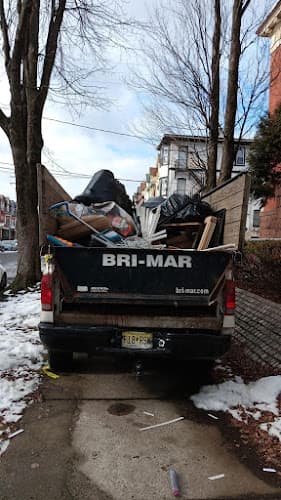
Bulk item collection and yard waste management are additional services commonly offered by municipal waste departments. Large items such as furniture, appliances, and mattresses often require special collection arrangements outside of regular pickup schedules. Similarly, seasonal yard waste including leaves, grass clippings, and tree branches may be collected separately for composting or mulching purposes.
Special waste disposal programs may also fall under the department's purview. These can include periodic collection events for hazardous household materials such as paint, batteries, electronics, and chemicals that cannot be safely disposed of through regular trash collection. Such programs help prevent environmental contamination and ensure proper handling of potentially dangerous materials.
Location and Administrative Functions
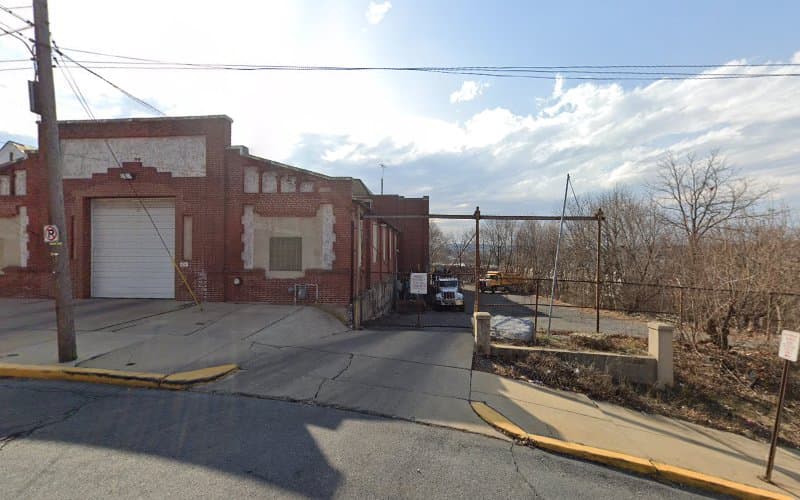
The department's administrative offices at 815 Washington Street serve as the central point of contact for residents seeking information about waste management services. Washington Street runs through the heart of Reading's downtown district, making the office accessible to city residents who need to conduct business in person. The location places the department within the broader complex of municipal government offices that serve the Reading community.
Administrative functions handled at this location typically include processing service requests, answering questions about collection schedules and policies, managing billing inquiries for any fee-based services, and addressing complaints or concerns about waste management issues. Residents may contact the department by phone at the listed number to obtain information about collection days, report missed pickups, arrange for bulk item collection, or inquire about recycling guidelines.
Environmental Health Significance
As an environmental health service, the Reading Solid Waste Department contributes to public health protection in several important ways. Proper waste management prevents the accumulation of refuse that can attract disease-carrying pests such as rats, flies, and mosquitoes. Regular collection eliminates potential breeding grounds for these vectors and reduces the risk of disease transmission within the community.
Sanitary waste disposal also protects groundwater and surface water resources from contamination. When waste is improperly disposed of or allowed to accumulate, rainfall can carry pollutants into storm drains, streams, and ultimately into drinking water sources. Municipal waste collection systems ensure that refuse is transported to properly engineered disposal facilities designed to contain waste and prevent environmental contamination.
Air quality benefits from organized waste management as well. Controlled disposal at regulated facilities reduces illegal burning of trash, which releases harmful particulates and toxic compounds into the atmosphere. Modern waste management practices also capture methane gas produced by decomposing organic matter, either for energy generation or controlled destruction, rather than allowing it to escape into the atmosphere where it contributes to climate change.
Reading's Urban Context
Reading presents particular challenges and considerations for solid waste management due to its urban density and demographic characteristics. As the fifth-largest city in Pennsylvania and the largest city in Berks County, Reading features a mix of residential neighborhoods ranging from single-family homes to multi-unit apartment buildings. This diversity requires flexible collection strategies that can accommodate different housing types and population densities.
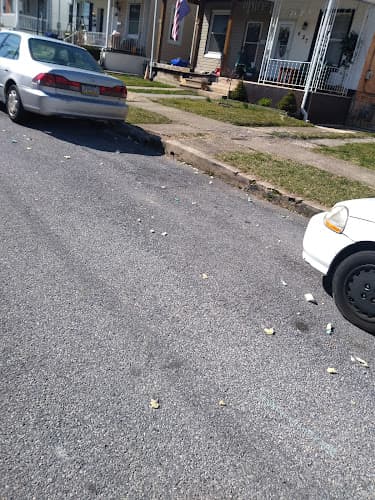
The city's historic character, with many neighborhoods featuring older row homes built close to the street, may influence collection logistics and container placement requirements. Urban areas often have limited space for waste storage between collection days, making reliable and frequent pickup schedules particularly important for maintaining neighborhood cleanliness and sanitation.
Regulatory Framework
The Reading Solid Waste Department operates within a regulatory framework established at federal, state, and local levels. The United States Environmental Protection Agency sets baseline standards for waste management practices, while the Pennsylvania Department of Environmental Protection implements more specific regulations governing solid waste facilities and collection operations within the commonwealth.
At the local level, Reading's municipal code contains ordinances specifying requirements for waste storage, collection schedules, recycling participation, and penalties for violations. The Solid Waste Department may be responsible for enforcing these local regulations, which are designed to maintain community standards and protect public health.
Contacting the Department
Residents of Reading who have questions about solid waste services, need to report issues with collection, or require information about recycling programs can reach the department at 610-655-6278. Phone inquiries allow residents to receive timely information about their specific situations, including details about collection schedules for their addresses, procedures for requesting special pickups, and guidance on proper disposal of various materials.
For matters requiring in-person attention, the Washington Street office provides a location where residents can speak directly with department staff. This may be particularly useful for resolving billing disputes, obtaining copies of regulations or guidelines, or discussing ongoing service concerns that require detailed explanation.