Starting a Business in Berks County: A Complete Guide
Everything you need to start a business in Berks County, PA. Business registration, finding commercial space, permits, professional services, banking, insurance, and local resources for entrepreneurs.
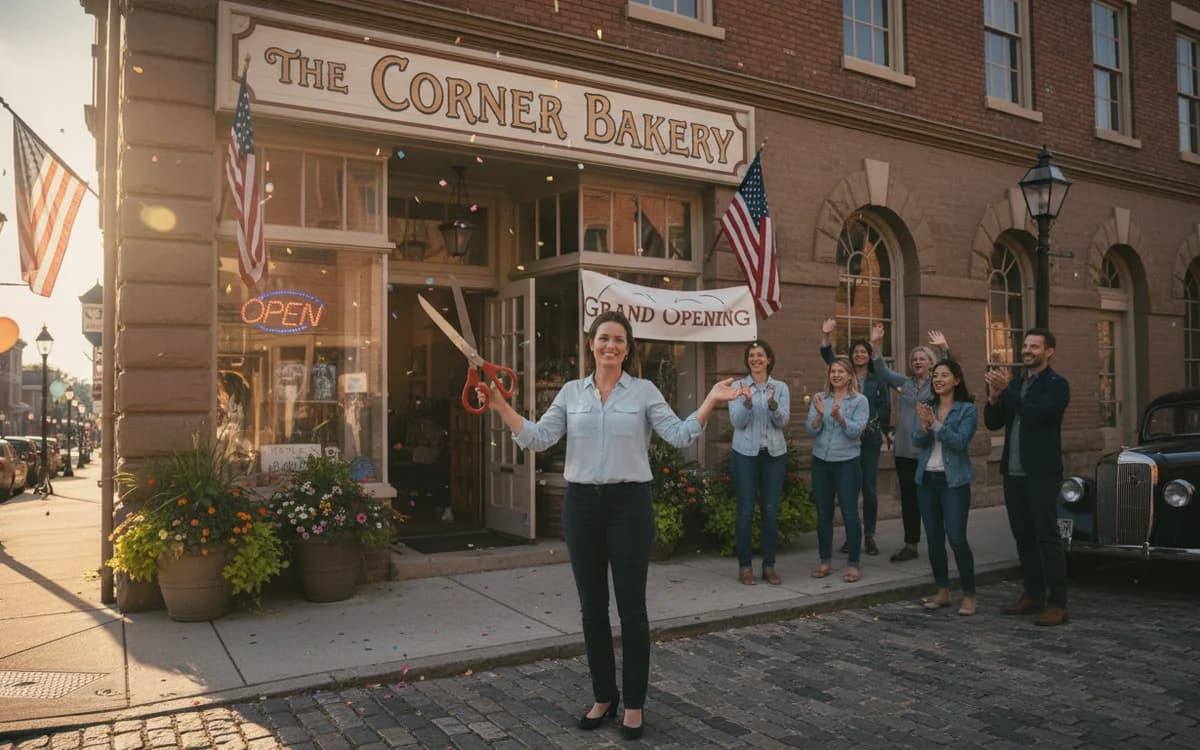
So you want to start a business. Maybe you've been thinking about it for years. Maybe you just got laid off and this feels like a sign. Maybe you're tired of making someone else rich and want to bet on yourself.
Whatever brought you here, I want to be honest with you: starting a business is one of the hardest things you'll ever do. Most new businesses fail. The ones that succeed usually do so because the founder was relentlessly prepared, adequately funded, and willing to adapt when reality didn't match the plan.
This guide won't sugarcoat the challenges. But it will give you the real information you need to start a business in Berks County—the stuff that actually matters, from someone who's seen businesses succeed and fail in this community.
The Case for Starting a Business in Berks County
Before we get into the how, let's talk about the where. Because Berks County is genuinely a good place to start a business—not perfect, but good.
The cost advantage is real. Commercial rent in Wyomissing is a fraction of what you'd pay in the Philadelphia suburbs. A storefront on Penn Avenue in West Reading costs less than half what you'd pay in a comparable walkable district elsewhere. Office space in downtown Reading is almost laughably cheap, though you're trading cost for a challenging location. This matters enormously when you're starting out and every dollar counts.
The community actually supports local business. This isn't just marketing speak. There's a genuine "buy local" ethic here, rooted in the region's manufacturing heritage and small-town identity. People will root for you. They'll tell their friends about you. They'll give you grace while you figure things out—if you earn it with good service.
The network is accessible. In a city like Philadelphia, getting a meeting with an established business owner or a local banker takes connections and persistence. In Berks County, you can walk into a chamber event and meet twenty business owners who will actually talk to you. The SCORE mentors here have real capacity. The SBDC at Kutztown actually returns calls. These resources exist everywhere, but here they're not overwhelmed.
The challenges are also real. The population isn't growing. Some municipalities are struggling economically. Certain areas have image problems that affect customer perception. Talent can be harder to find for some roles. You need to know what you're getting into.
But for the right business, with the right owner, Berks County offers a genuine opportunity to build something sustainable.
Getting Legal: Structure, Registration, and Paperwork
This section reads boring but it matters. Getting your business structure wrong costs you money—sometimes a lot of money—in taxes, liability exposure, or both. Rushing through registration and permits can get your business shut down before it starts.
Take this seriously.
Choosing Your Business Structure (It Actually Matters)
Every new business owner asks: "Should I be an LLC?" The answer is "probably, but it depends." Here's the real breakdown:
Sole Proprietorship: Simple but Risky
If you just start doing business under your own name, congratulations—you're a sole proprietor. No registration required. You report business income on your personal taxes.
The catch: you have unlimited personal liability. If your business gets sued, your house, your savings, your personal assets are all on the table. A bad slip-and-fall in your shop, a customer who claims your advice harmed them, a vendor dispute that goes sideways—your personal finances are exposed.
Sole proprietorship makes sense for low-risk, low-revenue activities where you're testing an idea. It doesn't make sense for anything with real liability exposure or significant income.
LLC: The Sweet Spot for Most Small Businesses
The Limited Liability Company is popular because it's the best of both worlds:
- Personal asset protection: Your business can get sued without your house being at risk (assuming you maintain proper separation)
- Simple taxes: By default, you're taxed as a sole proprietor or partnership—income passes through to your personal return
- Minimal formality: No board meetings, annual reports, or corporate minutes required
An LLC costs $125 to file in Pennsylvania and maybe another $500-1,500 for an attorney to do it properly. That's cheap insurance for personal asset protection.
S-Corp: When You're Making Real Money
Once your business clears $50,000-80,000 in profit, the S-Corp election becomes interesting. Without getting into tax weeds, an S-Corp can reduce your self-employment tax burden significantly—we're talking thousands of dollars annually for profitable businesses.
The trade-off: you must pay yourself a "reasonable salary" (with payroll taxes), and there's more administrative overhead. Talk to an accountant when you reach this level.
C-Corp: Usually Not for Small Business
C-Corps make sense for businesses seeking venture capital, planning to go public, or with complex ownership structures. If that's not you, skip it.
Partnerships: Get It in Writing
Going into business with a partner? Get a partnership agreement. Preferably written by an attorney. "But we're friends!" Great—you want to stay friends. A partnership agreement covers what happens when one partner wants out, when you disagree on direction, when someone isn't pulling their weight, when life circumstances change.
The businesses that blow up most spectacularly are often partnerships that never defined the rules.
The Registration and Paperwork Reality
State Registration (LLCs and Corporations)
File with the PA Department of State at business.pa.gov. The online system works reasonably well. You'll need:
- Your business name (search to make sure it's available)
- A registered office address in Pennsylvania
- Names and addresses of organizers/members
- $125 filing fee
You can do this yourself or have an attorney do it. DIY is fine for simple LLCs. If your situation is complicated, pay the $500-1,000 for professional help.
Fictitious Name (DBA) Registration
If you're a sole proprietor operating under any name other than your legal name—or an LLC operating under a name different from your registered name—you need to register a fictitious name.
This is filed at the Berks County Prothonotary office (633 Court Street, Reading). You also have to run an ad in two newspapers—one of general circulation and one legal journal. It's annoying and feels archaic, but it's the law.
Get Your EIN
An Employer Identification Number is like a Social Security number for your business. You need one if you have employees, are an LLC or corporation, or want to open a business bank account (you do).
It's free from the IRS and takes about five minutes online at irs.gov. Do this.
The Permits and Licenses Maze
This is where it gets complicated, because requirements vary by:
- What type of business you're running
- What municipality you're in
- What you're selling or doing
Every business should check:
- Your municipality's business license requirements (call the borough or township office)
- Zoning approval for your location (some businesses aren't allowed everywhere)
- Sales tax license from PA Department of Revenue (if selling taxable goods)
Industry-specific licenses you might need:
- Contractor licenses (PA Home Improvement Contractor registration)
- Professional licenses (healthcare, cosmetology, real estate, etc.)
- Food establishment permits (from PA Department of Agriculture and local health department)
- Liquor licenses (from PA Liquor Control Board—these are scarce and expensive)
The uncomfortable truth: Figuring out all your permit requirements is tedious, confusing, and different for every situation. The SBDC at Kutztown and SCORE mentors can help you figure out what applies to you. Don't skip this step—operating without required permits can get you shut down and fined.
Finding Your Space: Location Decisions That Make or Break You
"Location, location, location" is a cliché because it's true. But it's not just about being in a "good" location—it's about being in the right location for your specific business. A trendy restaurant thrives on Penn Avenue; a plumbing supply company would fail there.
Understanding Your Options
Retail Storefront: You're Paying for Visibility
If customers need to find you, walk in, and buy things, you need retail space. This is the most expensive option per square foot because you're paying for foot traffic, visibility, and accessibility.
Questions to ask yourself:
- Do customers actually need to come to you?
- How much walk-in vs. destination traffic do you need?
- Does your brand require a prestigious address?
- Can you start smaller and upgrade as you grow?
Office Space: More Options Than You Think
Professional service businesses—accountants, consultants, therapists, tech companies—need office space, but "office space" ranges from a $200/month single room to a $5,000/month suite.
Consider:
- Coworking spaces: Month-to-month commitment, professional environment, lower cost. Good for testing the waters or businesses that don't need privacy.
- Executive suites: Furnished offices with shared reception, conference rooms. More professional than coworking, less commitment than traditional lease.
- Traditional office lease: Your own space, your way, typically 3-5 year commitment.
Industrial/Warehouse: Where the Math Works
If you make things, store things, or ship things, you need industrial space. The good news: Berks County has plenty of it at reasonable rates. The cost per square foot is a fraction of retail or office.
Home-Based: Start Here If You Can
If your business doesn't require customers to visit and doesn't need significant space, starting from home is the smartest move financially. Zero rent while you're figuring things out. Many successful businesses started on a kitchen table or in a garage.
The catch: check zoning. Many municipalities restrict home-based businesses, especially those with employees, customer visits, or inventory. A home occupation permit may be required. Ignore this and neighbors will eventually complain.
The Berks County Commercial Landscape
Let me give you the honest breakdown of different areas:
Downtown Reading: High Risk, High Potential
Downtown Reading is cheap. You can get storefront space for a fraction of what you'd pay in Wyomissing. There's a creative and entrepreneurial energy emerging, with new restaurants, breweries, and small businesses taking chances.
The challenges are real: perception problems, some vacant storefronts, safety concerns in certain blocks, and a customer base that often lacks disposable income. Some businesses thrive downtown; many struggle.
Downtown works for: businesses that draw customers from the whole region, businesses serving the local community specifically, creative ventures with low overhead, and owners willing to be part of urban revitalization.
West Reading/Penn Avenue: The Walkable Sweet Spot
Penn Avenue in West Reading is what every small town wishes its main street looked like—locally owned shops, good restaurants, foot traffic, community events. It's also hard to get into. Vacancy is low, rents are rising, and landlords can be picky about tenants.
If you can get space here, you're buying into an established ecosystem. The walkable, shop-local crowd is already coming. You just need to give them a reason to walk in your door.
Wyomissing/State Hill Road: The Safe Suburban Bet
The State Hill Road corridor is Berks County's primary retail destination. Anchored by Berkshire Mall (struggling, like most malls) and surrounded by strip centers, big boxes, and chain restaurants. Rent is higher but so is traffic.
This works for: businesses that need high visibility and parking, retail that competes with chains, services targeting suburban families.
Route 422 Corridor: Auto-Oriented
The businesses along 422—car dealers, fast food, auto parts, building supplies—exist because people drive past. If your business depends on drive-by visibility and easy parking, this is your territory.
The Towns and Boroughs: Know Your Community
Kutztown, Boyertown, Hamburg, Birdsboro, Fleetwood—each has its own character, its own downtown, its own community that supports local business. Rent is often lower than the suburbs, and you can become a genuine part of the community.
Do your homework: drive the area, count foot traffic at different times, talk to other business owners. Every town has streets that work and streets that don't.
Lease Negotiation: Don't Sign Anything Without Reading This
A commercial lease is a legal commitment that can last years and cost hundreds of thousands of dollars. This is not where you save money by skipping the attorney.
What you need to understand:
Base rent is just the beginning. Most commercial leases include "triple net" (NNN) charges—you pay your share of property taxes, insurance, and common area maintenance (CAM). A $15/sq ft lease can become $22/sq ft once you add these. Always ask for the total occupancy cost.
Negotiate tenant improvements. If the space needs work before you can operate, who pays? In a competitive market, you pay. In a landlord-desperate market, they might contribute. This is always negotiable.
Understand your exit. What happens if your business fails in year two of a five-year lease? Personal guarantee? Sublease rights? Early termination provisions? These matter enormously.
Options and renewals. Lock in renewal options at defined rates so you can't be priced out once you've built the business.
Exclusivity. If you're a coffee shop, can the landlord lease to another coffee shop in the same center? Get exclusivity provisions in writing.
Get an attorney. $500-1,000 for a commercial lease review can save you tens of thousands in bad surprises.
Building Your Professional Team
Here's a mistake I see constantly: new business owners try to save money by doing everything themselves. They file their own LLC. They skip the attorney on the lease. They do their own bookkeeping. They buy the cheapest insurance policy online.
Then something goes wrong. They structured the business in a way that costs them thousands in extra taxes. The lease has a personal guarantee clause they missed. They're in trouble with the IRS because the bookkeeping was a mess. The insurance doesn't cover the claim because they bought the wrong policy.
The professionals cost money, but the mistakes cost more.
An Accountant: Your Most Important Relationship
A good accountant doesn't just file your taxes—they help you make better decisions all year long. They'll tell you:
- Which business structure saves you the most in taxes
- How to track expenses properly from day one
- When you're making money vs. just moving money around
- How to avoid the tax surprises that sink new businesses
- When you've grown enough to justify an S-Corp election
When to hire: Before you start. Seriously. A one-hour consultation about business structure can save you thousands over the life of the business.
What to look for: Someone who works with small businesses your size, responds to questions between tax seasons, uses technology you can work with, and explains things in plain English.
The Berks County landscape: We have excellent accountants here, from solo practitioners who specialize in small business to larger firms. The right fit depends on your complexity and budget.
Top-Rated Accountants for Business in Berks County:
CS Enterprise Tax
754 N 9th St, Reading — (610) 741-6041
⭐ 5.0 (120 reviews) — Katherine and Jonathan are praised repeatedly for actually explaining things, responding quickly, and making complex tax situations manageable. They work with a lot of small businesses and understand what startups need.
A Mazzo Accounting Services
901 Fern Ave, Reading — (610) 775-9216
⭐ 5.0 (21 reviews) — Tony has built a reputation for being approachable and available. Small business owners appreciate that he doesn't make them feel stupid for asking questions.
Multi-Services of Berks County, LLC
514 Elm St, Reading — (610) 898-4046
⭐ 5.0 (25 reviews) — If you need help with multiple aspects of business setup—LLC formation, tax prep, insurance, notary—they do it all under one roof.
Goldcamp Tax Facts LLC
937 Fritztown Rd, Sinking Spring — (610) 927-3030
⭐ 5.0 (17 reviews) — Known for handling complex situations and offering a user-friendly online portal. Good for businesses that want to handle things digitally.
Browse all accountants on BerksConnect.
An Attorney: Expensive Until You Need One
Most people hire attorneys reactively—after the lawsuit, after the partnership blows up, after they've signed a terrible lease. The smart ones hire proactively.
When you actually need an attorney:
- Forming anything other than a simple single-member LLC
- Reviewing any commercial lease before signing
- Creating contracts you'll use with customers or vendors
- Partnership agreements (please, please get this in writing)
- Employment issues (hiring, firing, policies)
- Any regulatory or compliance questions
When you probably don't: Simple LLC formation (you can DIY this), basic website terms of service (templates exist), standard customer agreements in low-risk businesses.
How to control costs: Attorneys charge by the hour ($200-400+ in Berks County). Come prepared. Know what you need. Don't use them for work you could do yourself.
Business Law Attorneys in Berks County:
O'Donnell, Weiss & Mattei, P.C.
41 E High St, Pottstown — (610) 323-2800
⭐ 4.1 (14 reviews) — Solid business law practice handling formation, contracts, and general business needs. Professional and responsive.
Kozloff Stoudt Attorneys
2640 Westview Dr, Wyomissing — (610) 549-1268
⭐ 4.5 (59 reviews) — Handles business law, employment law, and real estate. Good for businesses that need ongoing legal support across multiple areas.
Resolution Law Group
606 N 5th St, Reading — (610) 374-5841
⭐ 4.8 (87 reviews) — Known for transparent pricing and flexible service. Strong on business succession planning if you're thinking long-term.
Tax troubles specifically? Partners Tax — 600 Penn St 4th Floor, Reading — (610) 549-4267 — ⭐ 5.0 (24 reviews) — If you're dealing with IRS issues or tax debt, these are the specialists.
Browse all business attorneys on BerksConnect.
Insurance: The Protection You Don't Think About Until You Need It
Business insurance isn't exciting. It feels like money disappearing into nothing. Until something happens—and something always eventually happens.
What most businesses need:
General liability insurance protects you when a customer slips in your store, your product hurts someone, or your employee damages a client's property. This is table stakes for any business.
Professional liability (errors and omissions) protects service businesses when advice or work product causes a client financial harm. If you provide professional advice or services, you need this.
Property insurance covers your stuff—equipment, inventory, fixtures. If you own valuable business property, protect it.
Workers' compensation is required by Pennsylvania law if you have employees. No exceptions. Don't skip this.
Commercial auto if vehicles are used for business. Your personal policy probably doesn't cover business use.
How to buy: Work with an independent insurance agent who can shop multiple carriers. Tell them exactly what your business does, what could go wrong, and what assets you're protecting. Don't buy the cheapest policy—buy the right policy.
Find insurance agents on BerksConnect.
A Banker: The Relationship That Grows With You
When you're starting out, a business bank account is just a place to deposit checks and pay bills. As you grow, a banking relationship becomes much more valuable—lines of credit when cash flow is tight, equipment financing, SBA loan access, merchant services.
Why local matters: National banks treat small businesses as numbers. Local banks and credit unions treat you as a relationship. When you need something—a loan, a reference, advice—the banker who knows you and your business is infinitely more valuable than a 1-800 number.
Credit unions for business: Many people don't realize credit unions serve businesses, not just consumers. They often offer better rates on business loans, lower fees, and more personal service than traditional banks. The trade-off: sometimes fewer locations and services.
Top-Rated Local Banks and Credit Unions:
Diamond Credit Union (Multiple Locations)
Locations throughout Berks County
⭐ 4.6-5.0 — One of the most business-friendly credit unions in the area. Known for actually saying yes to small business loans when traditional banks won't.
Utilities Employees Credit Union
11 Meridian Blvd, Wyomissing — (800) 288-6423
⭐ 4.8 (244 reviews) — Strong digital platform combined with personal service. Good for businesses that want modern banking tools with human support.
Superior Credit Union
930 N Charlotte St, Pottstown — (610) 489-7239
⭐ 4.8 (59 reviews) — Competitive business loan rates and staff who understand small business needs.
Traditional Banks: If you need more complex services—international transactions, large lines of credit, sophisticated treasury management—look at Fulton Bank, M&T Bank, or First National Bank, which have strong commercial banking divisions in Berks County.
Browse all banks on BerksConnect.
The Money Question: Financing Your Business
Let's talk about the number one reason businesses fail: they run out of money. Not because the idea was bad. Not because the product didn't work. Because they underestimated how much cash they'd need and how long it would take to become profitable.
Before we talk about where to get money, let's talk about how much you actually need.
How Much Do You Really Need?
Most new business owners dramatically underestimate startup costs. They budget for the obvious—equipment, inventory, first month's rent—and forget about the less obvious: deposits, insurance, licenses, professional fees, marketing, and the months of expenses before revenue covers costs.
A brutal truth: Plan for twice as much money and twice as long to profitability as you think. If your spreadsheet says you'll break even in month four, plan for month eight. If you think you need $50,000, find a way to access $100,000.
This isn't pessimism—it's survival. Businesses that fail due to undercapitalization often had good products and growing customers. They just ran out of runway before the plane could take off.
Where the Money Comes From
Self-Funding: Where Most Small Businesses Start
The majority of small businesses are funded by the owner's personal resources. This isn't romantic, but it's reality.
Personal savings: The safest source. You're risking money you can afford to lose (ideally). No interest, no investors, no one to answer to.
Home equity: A HELOC or home equity loan gives you access to capital at relatively low interest rates. The risk: your house is on the line. If the business fails, you could lose your home. Do not do this lightly.
Retirement accounts: ROBS (Rollover for Business Startups) lets you use 401(k) funds to start a business without early withdrawal penalties. It's legal but complex—you're essentially investing your retirement in your own business. If it fails, your retirement is gone. Proceed with extreme caution and proper professional guidance.
Credit cards: Technically a source of funding. Actually a trap for most people. 20%+ interest rates destroy businesses. Use credit cards only for short-term cash flow you're certain you can pay off immediately.
Friends and family: Money from people who believe in you. Document everything. Treat it like a real loan or investment. Nothing destroys relationships faster than unclear financial arrangements.
Bank Loans: Harder Than You Think for New Businesses
Here's the frustrating reality: banks don't want to lend to startups. They want businesses with track records, cash flow history, and collateral. New business? No history? Limited collateral? You'll struggle to get a traditional bank loan.
When banks might say yes:
- You have excellent personal credit (740+)
- You're putting significant personal capital in (skin in the game)
- You have collateral (often your house)
- Your business plan is solid and realistic
- You're in an industry the bank understands
SBA Loans: The Government's Help
SBA loans aren't actually loans from the government—they're bank loans guaranteed by the Small Business Administration. Because the SBA backs a portion of the loan, banks are more willing to lend to small businesses.
SBA 7(a): The most common, for general business purposes up to $5 million. SBA 504: For major fixed assets like real estate or equipment. SBA Microloans: Smaller amounts (up to $50,000) through nonprofit lenders.
The process is slow (weeks to months), paperwork-intensive, and still requires decent credit and a solid business plan. But rates are reasonable and terms are favorable.
How to improve your chances: SCORE mentors help people with SBA applications all the time. The SBDC can help you put together a business plan that banks take seriously. Come prepared.
Alternative Financing
Microloans: Non-profit lenders like Kiva, Grameen America, or local community development financial institutions (CDFIs) offer small loans ($500-$50,000) to businesses that can't qualify for traditional financing. Rates are reasonable, and they actively want to help underserved entrepreneurs.
Online lenders: Companies like Kabbage, Fundbox, OnDeck, and BlueVine offer fast funding—sometimes same-day—with minimal paperwork. The trade-off: high rates (sometimes very high), aggressive repayment terms, and automated underwriting that doesn't account for context. Use these for short-term cash flow needs you're certain you can cover, not for long-term capital.
Equipment financing: If you need specific equipment, financing the equipment itself is often easier than getting a general business loan. The equipment serves as collateral.
Invoice factoring: If your business invoices other businesses, factoring companies will advance you money against outstanding invoices. Expensive, but useful for cash flow crunches.
The Grant Myth
I need to address this because it comes up constantly: "I'll get a grant to start my business."
Reality check: Grants for typical small businesses are extremely rare. The grant opportunities that exist are usually for:
- Specific industries (technology, agriculture, manufacturing)
- Specific demographics (women-owned, minority-owned, veteran-owned)
- Specific purposes (research, job creation in distressed areas)
- Nonprofit organizations (not for-profit businesses)
There is no large pool of free money waiting for people with business ideas. If someone tells you otherwise, they're selling something.
That said: Grants do exist in specific situations. The PA Department of Community and Economic Development has various programs. Some municipalities offer incentives for businesses in certain areas. The SBDC can help you identify whether any programs apply to your situation.
Just don't build your business plan around grant money that probably doesn't exist.
Building Your Team: When It's Time to Grow
At some point, if your business succeeds, you'll need help. The question of when to hire—and who—is one of the most consequential decisions you'll make.
The Employee Decision
Hiring an employee is a big deal. You're taking on legal obligations, financial commitments, and responsibility for another person's livelihood. Do not hire until you're ready.
Signs you need to hire:
- You're turning away business because you can't handle the volume
- You're doing work that someone else could do while you should be doing higher-value work
- Growth is limited by your personal capacity
- You're burning out
Signs you're not ready:
- You're hiring to have company (loneliness isn't a business reason)
- You think an employee will magically solve problems you haven't diagnosed
- You can't afford to pay them consistently for at least 6 months even if revenue drops
- You haven't figured out what they'd actually do
The legal reality: Once you hire someone, you're in the employment business. Pennsylvania requires:
- Workers' compensation insurance (no exceptions)
- Unemployment insurance registration
- Withholding taxes properly calculated and remitted
- I-9 verification (you must verify work eligibility)
- Posted notices in the workplace
- Proper classification (misclassifying employees as contractors has serious penalties)
This isn't something to figure out after you hire. Have your accountant or a payroll service set up before your first employee starts.
Finding good people in Berks County: The labor market varies by industry. Skilled trades are competitive—good plumbers, electricians, and HVAC techs are in high demand. Service and retail positions can be easier to fill but turnover is high.
Your network is your best recruiting tool. Word of mouth, referrals from other business owners, and social media posts often outperform job board listings for small businesses.
PA CareerLink (1920 Kutztown Road, Reading, 610-988-1300) offers free job posting, candidate screening, and hiring assistance. They can also connect you with training programs and on-the-job training incentives.
Contractors vs. Employees: Get This Right
Using contractors instead of employees is tempting—no payroll taxes, no benefits, no workers' comp. But the IRS and PA Department of Labor have strict rules about who qualifies as a contractor.
The core question: Does the worker control how, when, and where they do the work? Or do you control it?
If you tell someone when to show up, how to do the job, and provide the tools—they're probably an employee, regardless of what you call them. Misclassification can result in back taxes, penalties, and legal liability.
When in doubt, consult an attorney or accountant. The cost of getting it wrong far exceeds the cost of getting advice.
Payroll: Don't Do It Yourself
Payroll is the one area I strongly advise against DIY. The consequences of mistakes—incorrect withholding, missed deadlines, improper filings—are severe. The IRS and PA don't care that you're a small business figuring things out.
Options that work:
Payroll services like Gusto, ADP, Paychex, or QuickBooks Payroll handle calculations, filings, direct deposits, and tax payments. They cost $30-100+/month depending on employees and services. Worth every penny.
Your accountant may offer payroll as part of their services, which keeps everything in one relationship.
Just don't try to do payroll manually with spreadsheets and paper checks. The complexity isn't worth the savings.
Getting Customers: Marketing That Actually Works
You can have the best product, the best service, the best prices—and still fail if no one knows you exist. Marketing isn't optional; it's survival.
But here's the good news for local businesses: you don't need to compete with national brands on their terms. You need to be findable by the people in your area who are looking for what you offer.
The Non-Negotiables
Google Business Profile: Your Most Important Free Marketing
If you do one marketing thing, do this. When someone searches "plumber near me" or "best coffee Reading PA," Google Business Profile determines whether you appear. It's free. It's essential. And most local businesses don't optimize it properly.
What to do:
- Claim and verify your listing (google.com/business)
- Fill out every section completely
- Add photos (businesses with photos get 35% more clicks)
- Choose the right categories
- Encourage customers to leave reviews (this is huge)
- Respond to reviews—good and bad
- Post updates regularly
If you're not appearing in local search results, start here.
A Website: Your Digital Storefront
"Do I really need a website?" Yes. Not a fancy one. Not an expensive one. But something.
A website establishes legitimacy (people will search your name), provides information 24/7, and gives you a home base you control. It doesn't need to be complicated—for many local businesses, a simple 3-5 page site with contact info, services, location, and hours is enough.
DIY options like Squarespace, Wix, or WordPress can get you online for $100-200/year. If your business is more complex, invest in professional help.
BerksConnect: Reach Local Customers
We built BerksConnect specifically to help local businesses connect with local customers. When people search for "electricians in Berks County" or "best restaurants in Wyomissing," your listing appears to people actively looking for what you offer.
Claim your free listing and make sure your information is complete and accurate.
Marketing That Works in Berks County
Word of mouth still wins. In a community the size of Berks County, reputation travels. Good service leads to referrals. Bad service leads to stories that spread. Deliver excellent work, ask satisfied customers for referrals, and make it easy for people to recommend you.
Local networking matters. The Greater Reading Chamber Alliance hosts events where you can meet other business owners, potential customers, and referral sources. This feels old-school, but relationships drive business in Berks County.
Facebook is where Berks County lives online. More than Instagram, more than Twitter, Facebook is where the 35+ demographic in Berks County spends time online. A business page, regular posts, and engagement with local groups can be effective for consumer businesses.
Local media still reaches people. The Reading Eagle, WEEU, local TV news—traditional media reach audiences that don't live entirely online. For certain businesses and demographics, a press mention or local ad still drives customers.
Community involvement builds reputation. Sponsoring the little league team, supporting the fire company chicken barbecue, participating in community events—this isn't just nice, it's marketing. People support businesses that support their community.
Free Help That Actually Helps: Local Resources
Here's something that surprises most new business owners: there are people in Berks County whose job is to help you succeed—and they're free. Not sales pitches disguised as help. Actually free, actually useful.
If you're not taking advantage of these resources, you're making things harder than they need to be.
SCORE: Free Mentors Who've Done This Before
SCORE might be the most underutilized resource for small business owners. The concept is simple: retired business executives volunteer their time to mentor entrepreneurs. No fees. No strings. Just experienced people helping you avoid the mistakes they made.
Website: score.org
Find local mentors: score.org/find-mentor (enter your Reading-area zip code)
What SCORE actually offers:
- One-on-one mentoring — You're matched with a mentor who has relevant experience. Meet as often as you need. They'll review your business plan, help you think through challenges, and provide perspective you can't get from YouTube videos.
- Business plan help — They'll help you build a plan that's realistic and useful, not just something to satisfy a loan application.
- SBA loan assistance — SCORE mentors know what makes SBA applications succeed or fail. If you're pursuing SBA funding, get their help.
- Workshops and training — Both online and local sessions on specific topics.
Why it works: These are people who built businesses, made payroll, dealt with customers, survived recessions. They're not academics; they're practitioners. And they're volunteering because they genuinely want to help the next generation succeed.
I've talked to business owners who met with SCORE mentors weekly for a year while launching. Free. The mentor cared because the mentee was committed.
Kutztown University SBDC: Professional Consulting, Zero Cost
The Small Business Development Center at Kutztown provides professional-level consulting that would cost hundreds of dollars per hour in the private market. It's funded by a partnership between the SBA and the state, and it's genuinely excellent.
Phone: (484) 646-5937
Location: Kutztown University, Old Main, F Wing, Room 27
Website: kutztown.edu/sbdc
What they actually do:
- One-on-one consulting on any aspect of starting or growing a business
- Business plan development — They'll work through the numbers with you, challenge your assumptions, and help you build something realistic
- Market research — They have access to databases and tools you don't
- Financial projections — Help building the spreadsheets that convince you (and banks) the numbers work
- Government contracting help — If selling to government agencies is relevant to your business
The difference between SCORE and SBDC: SCORE is volunteer mentors; SBDC is professional consultants. Both are valuable. SCORE tends to be more relationship-based and ongoing; SBDC tends to be more project-focused and technical. Many business owners use both.
Greater Reading Chamber Alliance (GRCA)
Phone: (610) 376-6766
Address: 606 Court Street, Reading
Website: greaterreading.org
The Chamber is different from SCORE and SBDC—it's a membership organization, not free consulting. What you get:
- Networking events where you can meet other business owners, potential customers, and referral partners
- Business advocacy representing your interests with local government
- Member directory that puts you in front of businesses looking for local vendors
- Programs and training on various business topics
- Economic development resources and connections
Is Chamber membership worth it? Depends on your business. If you sell to other businesses (B2B), the networking alone can be worth the membership. If you're a consumer business, the value is less direct. Many business owners find the connections valuable beyond the tangible benefits.
PA CareerLink Berks County
Phone: (610) 988-1300
Address: 1920 Kutztown Road, Suite F, Reading
When you're ready to hire, CareerLink is your free recruiting partner. They offer:
- Free job posting to their pool of job seekers
- Candidate screening to save you time
- Job fairs and hiring events where you can meet candidates in person
- On-the-job training incentives — In some cases, they'll subsidize wages while you train new employees
- Labor market information about wage expectations, available skills, etc.
This is taxpayer-funded and available to all employers. Use it.
Industry-Specific Reality Checks
Every industry has its own requirements, challenges, and secrets. Here's what you need to know for the most common types of businesses.
Opening a Restaurant or Food Business
Food businesses are among the most common startups—and among the most likely to fail. The margins are thin, the hours are brutal, and the regulatory requirements are significant.
What you're signing up for:
- Health department licensing and regular inspections — The PA Department of Agriculture licenses retail food facilities. Your local health department conducts inspections. Violations can shut you down.
- Food safety certifications — At least one person on staff must be ServSafe certified (or equivalent). This isn't optional.
- Commercial kitchen requirements — Home kitchens generally can't be used for commercial food production. You need a licensed commercial kitchen, which means expensive equipment and code compliance.
- Liquor licenses — If you want to serve alcohol, you'll need a license from the PA Liquor Control Board. These are limited in number, expensive, and can take months to acquire. Many restaurant business plans depend on alcohol revenue, so factor this into your timeline and budget.
- Higher insurance costs — Food businesses have more liability exposure. Insurance is more expensive.
The honest truth: Restaurant failure rates are high because many people open restaurants who love cooking but don't understand the business. The successful restaurant owners I know are business operators first and food people second.
Starting a Retail Business
Retail is changing. Competing with Amazon and national chains on price is a losing battle. Successful local retail offers something they can't: curation, expertise, experience, and community.
What you need:
- PA sales tax license — You're collecting sales tax on behalf of the state. Register with the PA Department of Revenue.
- Point of sale system — Not optional in 2025. Square, Clover, Toast—pick one and learn it.
- Inventory management — Cash tied up in inventory that doesn't sell kills retail businesses. Understand your turns.
- Theft prevention — Shoplifting is a real issue. Have a plan.
The strategic question: What can you offer that Amazon can't? If the answer is "nothing, but cheaper," you'll lose. If the answer is expertise, curation, experience, or community—you have a chance.
Contractor and Trades Businesses
If you're a plumber, electrician, HVAC tech, carpenter, or general contractor going out on your own, the technical work is probably the easy part. The business side is where people struggle.
Requirements:
- PA Home Improvement Contractor registration — Required for most residential work. It's not expensive ($50 for two years) but it's legally required.
- Trade-specific licenses — Plumbing and electrical work require additional licensing in Pennsylvania. Make sure you're properly credentialed.
- Insurance — Liability insurance and workers' comp (if you have employees) aren't optional. Many customers and general contractors require proof of insurance before you work.
- Bonding — Some contracts, especially government work, require you to be bonded.
The real challenge: Managing a trades business is different from doing trade work. Estimating jobs accurately, managing cash flow (you often pay for materials before getting paid), scheduling efficiently, and dealing with customers who don't pay—these are business skills, not trade skills.
Professional Services (Consulting, Coaching, Creative)
Starting a service business has low barriers to entry but its own challenges.
What to think about:
- Professional licensing — Accountants, attorneys, therapists, real estate agents, financial advisors, engineers, and many other professions require state licensing. Make sure you're compliant.
- Professional liability insurance (E&O) — If your advice or work product can cause financial harm to clients, you need this protection.
- Contracts — Get your service agreements in writing. What's included, what's not, what happens when things go wrong, payment terms. Have an attorney review your template.
- Client confidentiality — Many professions have legal confidentiality requirements. Understand yours.
The marketing challenge: Professional services are hard to differentiate. Everyone claims to be an expert. Building reputation through results, referrals, and demonstrated expertise takes time.
Home-Based Businesses
Starting from home makes financial sense, but do it properly.
Legal requirements:
- Zoning — Many municipalities restrict or prohibit home businesses, especially those with employees, customer visits, or visible signage. Check before you start.
- Home occupation permit — Even where allowed, you may need a permit.
- Insurance — Your homeowner's insurance probably doesn't cover business activities. You need separate business insurance.
Practical considerations:
- Client meetings — If clients can't visit your home, where will you meet? Coffee shops, coworking spaces, and their offices are options.
- Professionalism — A business address (PO Box or virtual office), dedicated business phone, and professional email (not @gmail.com) help establish credibility.
A Realistic Timeline: How Long This Actually Takes
People dramatically underestimate how long it takes to start a business properly. "I'll be open next month!" turns into three months, then six months. Setting realistic expectations helps you plan financially and emotionally.
2-3 Months Before You Want to Open
This is the foundation phase. Rushing it causes problems that persist for years.
Business planning: Work through your business plan with SCORE or SBDC. Not a 50-page document—a clear understanding of your market, your numbers, and your plan. This takes weeks of thought and research, not a weekend.
Legal structure: Meet with an accountant to determine the right structure. If forming an LLC or corporation, file the paperwork. Get your EIN from the IRS.
Financing: If you need money beyond personal funds, start the process now. Bank loans and SBA loans take weeks or months. Don't assume money will be available when you need it.
Location: If you need commercial space, finding it, negotiating, and completing a lease takes longer than you think. Build permits and inspections add more time.
Professional relationships: Line up your accountant, attorney, insurance agent, and banker. You want these relationships established before you need them urgently.
1 Month Before Launch
Now you're getting tactical. The business exists on paper; you're making it real.
Systems: Set up your accounting software, point of sale, payment processing, and business bank account. Don't wait until you're open to figure out how you'll get paid.
Insurance: All policies should be in place before you open your doors. Workers' comp (if applicable), general liability, property—everything.
Licenses and permits: Follow up on every application. Make sure everything will be in hand before opening.
Utilities and services: Phone, internet, credit card processing, alarm system—test everything before customers arrive.
Marketing: Your Google Business Profile should be live, your BerksConnect listing claimed, your website up, your social media announcing the opening.
Launch Week
Soft opening: Consider opening quietly to friends, family, and friendly customers first. Work out the kinks when the stakes are lower.
Final inspections: If your business requires health department, fire department, or other inspections, make sure they're scheduled and completed.
Signage: Make sure people can find you and know you're open.
Announce: Tell everyone. Social media, email list, press release to local media, word of mouth. Don't assume people will discover you.
First 90 Days: The Real Learning
This is when theory meets reality. Your business plan was a guess; now you find out what's actually true.
Watch cash flow obsessively. Revenue is nice, but cash in the bank is what pays bills. Many businesses are "profitable" on paper but fail because cash doesn't come in fast enough to cover cash going out.
Listen to customers. They'll tell you what works and what doesn't, often without saying it directly. Pay attention to what they buy, what they ask for, what confuses them.
Adjust constantly. The plan you launched with won't be the plan that works. Successful businesses adapt. Failing businesses insist reality should match their expectations.
Build relationships. The customers you acquire in the first 90 days become your foundation. Over-deliver for them. Turn them into advocates.
The Mistakes That Kill Businesses
I've seen a lot of businesses fail. Almost always, it comes down to a few predictable mistakes.
Running out of money (undercapitalization)
This is number one, and it's not close. Businesses don't fail because the idea was bad—they fail because the founder ran out of runway before the business could take off. Revenue takes longer than you think. Expenses are higher than you think. Cash flow is lumpier than you think.
The solution: raise more money than you think you need, spend less than you think you can, and have a backup plan for when things take longer than expected.
Skipping the professionals
"I'll save money and do it myself" costs money in the long run. The wrong business structure means overpaying taxes for years. The lease clause you missed means you're stuck or paying penalties. The bookkeeping mess takes an accountant twice as long to untangle.
Pay for professional help on the important stuff. It's cheaper than fixing mistakes.
Ignoring legal requirements
Operating without proper licenses, skipping workers' comp, playing games with taxes—this doesn't make you clever, it makes you vulnerable. When something goes wrong (and something always eventually does), being out of compliance turns a problem into a disaster.
Do it right from the start.
Overestimating revenue, underestimating time
Your spreadsheet shows break-even in month three. Reality will probably be month six or nine. That optimism feels good when you're planning but causes panic when it doesn't materialize.
Be conservative in projections. Plan for disappointment. Be pleasantly surprised rather than desperately scrambling.
Neglecting marketing
"If you build it, they will come" is a lie. The world is full of excellent products and services that failed because no one knew they existed. Marketing isn't optional—it's how you survive.
Trying to do everything alone
You're not saving money by doing everything yourself—you're limiting your growth and burning yourself out. Learn to delegate, outsource, and hire. Your job is to build a business, not to do every task in the business.
The Bottom Line: What It Takes to Succeed
Starting a business is hard. Most people who think about it never do it. Most people who do it fail. But some people succeed—and their success often comes down to a few things:
They do the homework. They understand their market, their numbers, and their risks before they start. They use resources like SCORE and SBDC. They consult professionals when they need expertise.
They have enough money. Not barely enough—enough to survive the unexpected, the slow months, the learning curve. Undercapitalization kills businesses that would otherwise succeed.
They adapt. The business that launches isn't the business that succeeds. Successful owners adjust to reality instead of insisting reality match their plans.
They deliver. Ultimately, businesses survive by serving customers well. Do good work. Keep your promises. Solve real problems. The fundamentals don't change.
They persist. Every successful business owner has stories of moments when they almost quit. The ones who succeed pushed through. Not blindly—with adaptation and learning—but they persisted when others would have stopped.
If you're serious about starting a business in Berks County, you're in a good place to do it. The costs are manageable. The resources exist. The community will support you if you earn it.
The question is: will you do the work?
Find Business Services on BerksConnect
Build your team with local professionals who understand Berks County:
And when you're open for business: Claim your free listing on BerksConnect so local customers can find you.
Related Guides:
BerksConnect exists to connect local businesses with local customers. We want to see you succeed—and when you do, we want to help your customers find you.