Sewer Line Replacement Cost in Berks County: House to Street
What replacing a sewer lateral costs, which part of the pipe is yours under Reading and township rules, the curb trap, trenchless options and permits.
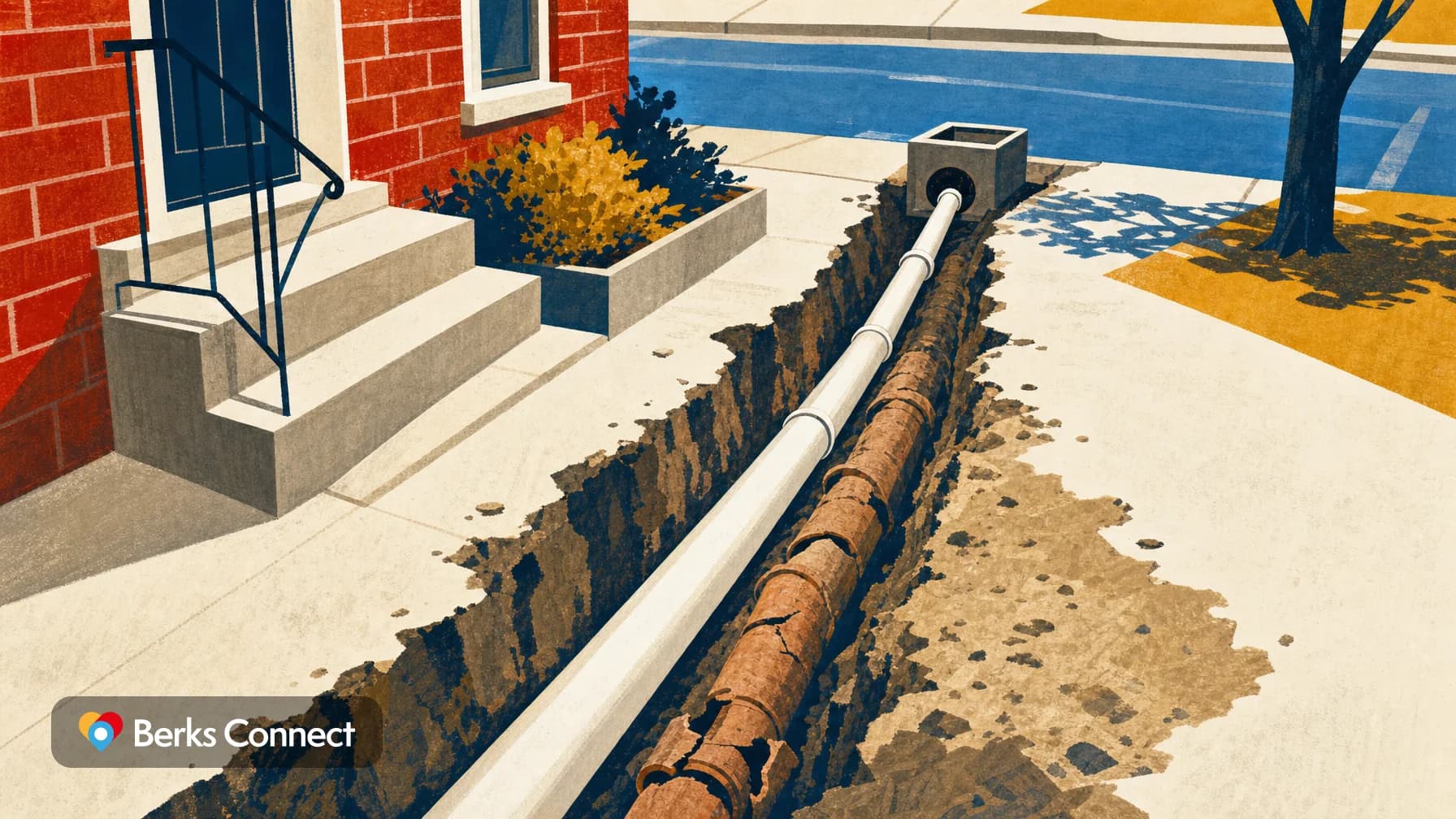
Replacing a sewer line runs about $1,400 to $5,300 for the whole job as of 2026, more when the run is long, deep or under a street, and which part of the pipe you pay for depends on your town.
In town after town the part you pay for runs from your house to the curb, and a few towns draw the line at the property line or at the vent behind the curb instead. Before you sign, get the camera report and how far from the house the break sits: that number decides whose pipe it is and whether the street opens, and it's what you hand to the second plumber you pick from the county plumbers page.
Whose pipe is it, from your house to the street?
The pipe from your house to the sewer main in the street is called the lateral, and the table shows what eight Berks towns and authorities say about it in their own rules. If yours isn't on it, your sewer authority's office has the answer.
| Where you live | The public side | Your side |
|---|---|---|
| Reading | Not set in the City code; the sewer department (610-655-6008) is the call for sewage in a basement | The City's plumbing code applies from the curb line or property line into the house, and to a plumber's work in the street |
| Spring Township | The main in the street | From the curb back to the house |
| West Reading | From the curb to the main; the Borough will also plunge the trap near the house as part of the sewer fee | From the house to the curb |
| Shillington | From the trap out to the main | From the house to the trap |
| Muhlenberg Township (township authority) | From the main to the curb line | From the building to the curb line, maintenance and replacement |
| Mount Penn, St. Lawrence, and parts of Exeter and Reading (Antietam Valley authority) | From the main to the vent and cleanout behind the curb, repaired free | From that vent and cleanout to the house |
| Kutztown | The main in the street | The building sewer and the lateral, all costs, unless the Borough provides otherwise |
| Exeter Township, the part served by Pennsylvania American Water | The main in the street | From the property line to the building, tree roots included |
A curb trap (also called a house trap or sewer trap; it's one thing) is a U-shaped bend in the line near the curb that holds a little water to keep sewer gas out. Reading's plumbing code requires one on every house sewer, with a vented box on the house side and a capped one on the sewer side; that's why a Reading curb has two sewer boxes. The current state plumbing code prohibits new house traps. The camera report shows whether your line has one, and the plumber and the town's inspector say what happens to it in a replacement.
West Reading draws its rule at the curb: curb to main is the Borough's, house to curb is yours, and the Borough will plunge the trap near the house as part of the sewer fee. Shillington's Borough side starts at the trap, and Kutztown's ordinance says the lateral doesn't include the trap. So the question that decides a quote, in a borough or a township, is which side of the curb line (or the property line, where that's the rule) the break sits on. If the camera puts it at or beyond that line, call the borough or the authority before you pay for anything past it.
Why the old laterals under Berks houses fail.
More than a quarter of the county's homes were built before 1940, and in Reading it's more than half. A line from those decades is clay or cast iron: clay can last a century but cracks and fails at its joints, and cast iron wears from the inside. After World War II, lines were laid in Orangeburg, a pipe made of compressed wood fiber soaked in coal tar; it sags, lets roots in and eventually collapses. A new line should give you about 50 years.
A line can leak underground for years with no warning, and it gets replaced when the camera shows it has to be.
What a sewer line replacement costs, by method.
The ranges below are national, and every row says what it covers.
| The job | National range | What the figure covers |
|---|---|---|
| Sewer line replacement | $1,388 to $5,323, average $3,319 | Whole job |
| Full replacement, per foot | $60 to $250 a foot | Complete, per foot of pipe |
| The digging alone, open trench | $4 to $12 a foot | Excavation labor only |
| Lining (cured-in-place pipe) | $90 to $250 a foot | Per foot |
| Pipe bursting | $60 to $200 a foot | Per foot |
| Under a concrete slab | an added $300 to $350 a foot | On top of the pipe price |
| Repairing one broken section | $600 to $1,050 | Whole job |
| Camera inspection | $100 to $500 | Extra, before any work |
| Sewer trap replacement | $1,500 to $3,000 | Whole job, a January 2023 figure |
National cost guides, updated June 2026 except the trap row.
The whole-job range is what most laterals cost; the per-foot rows are what pushes a quote above it: a long run, a deep pipe, a street or a slab. A 30-foot job at the per-foot range comes to $1,800 to $7,500, so a quote above the whole-job range should show its feet and its method. One break in otherwise sound pipe is the spot-repair case; several failing joints, a sag, or roots that keep coming back is the replacement case. Ask the plumber which of those the camera showed and why the whole run rather than the section.
Some sewer jobs are quoted on time and materials, billed for the hours and the parts rather than a set price, because a blockage can't be sized in advance. Under the state's home improvement law, even that job needs a written estimate up front and can't run more than 10 percent over it without a signed change order. Our post on how Berks plumbers price a job explains what each kind of quote means for you.
Trenching or trenchless: which one does your pipe allow?
A trench runs along the pipe's whole length; trenchless works through one or two small pits, and there are two common ways to do it.
Lining pulls a resin-soaked sleeve into the old pipe and hardens it into a new pipe inside it. The sleeve follows the shape of the old pipe, so if the camera found a sag, the sag stays. Pipe bursting pulls a bursting head through the old pipe on a cable, breaking it outward while towing a new plastic pipe behind it. It can't be done where the old pipe has already collapsed. Both start with a camera, which is why the report matters more than the sales pitch.
Roto-Rooter's Reading branch starts every pipe job with a camera and offers lining, a spot repair or full excavation.
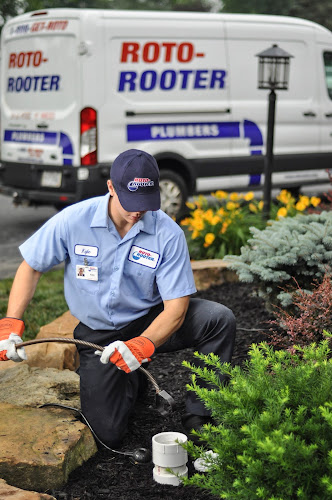
11 N 5th St # 300, Reading, PA
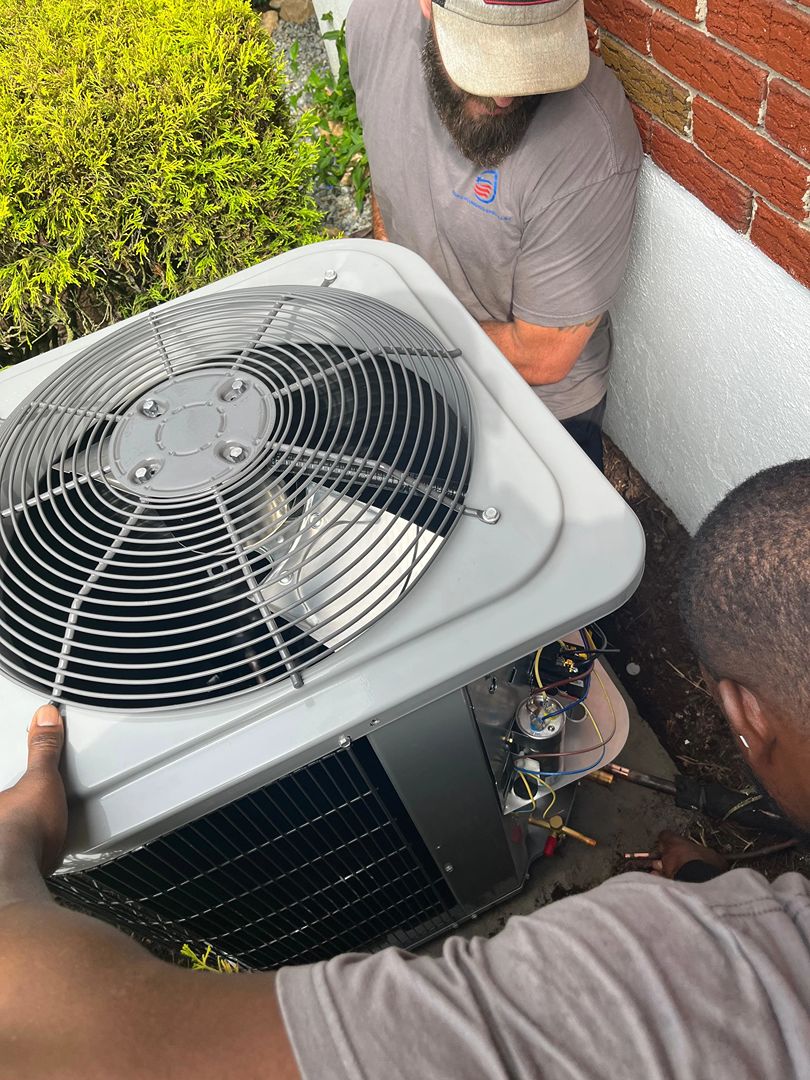
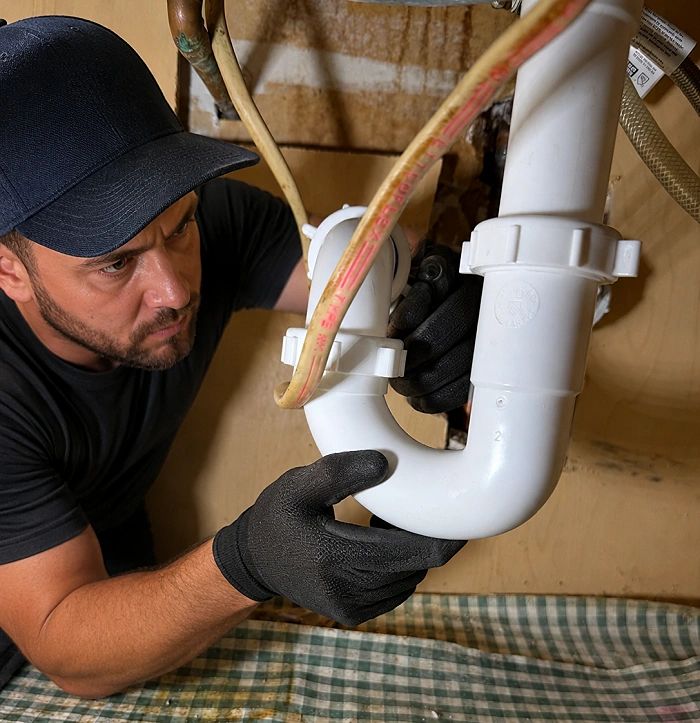
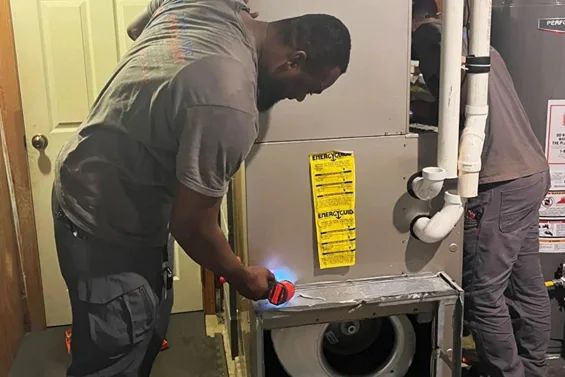
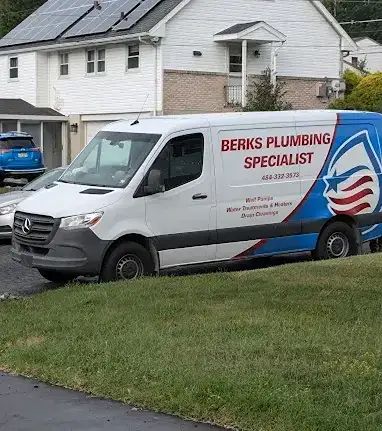
Berks Plumbing & HVAC Specialist offers pipe bursting, inspects first and writes the quote on the spot.
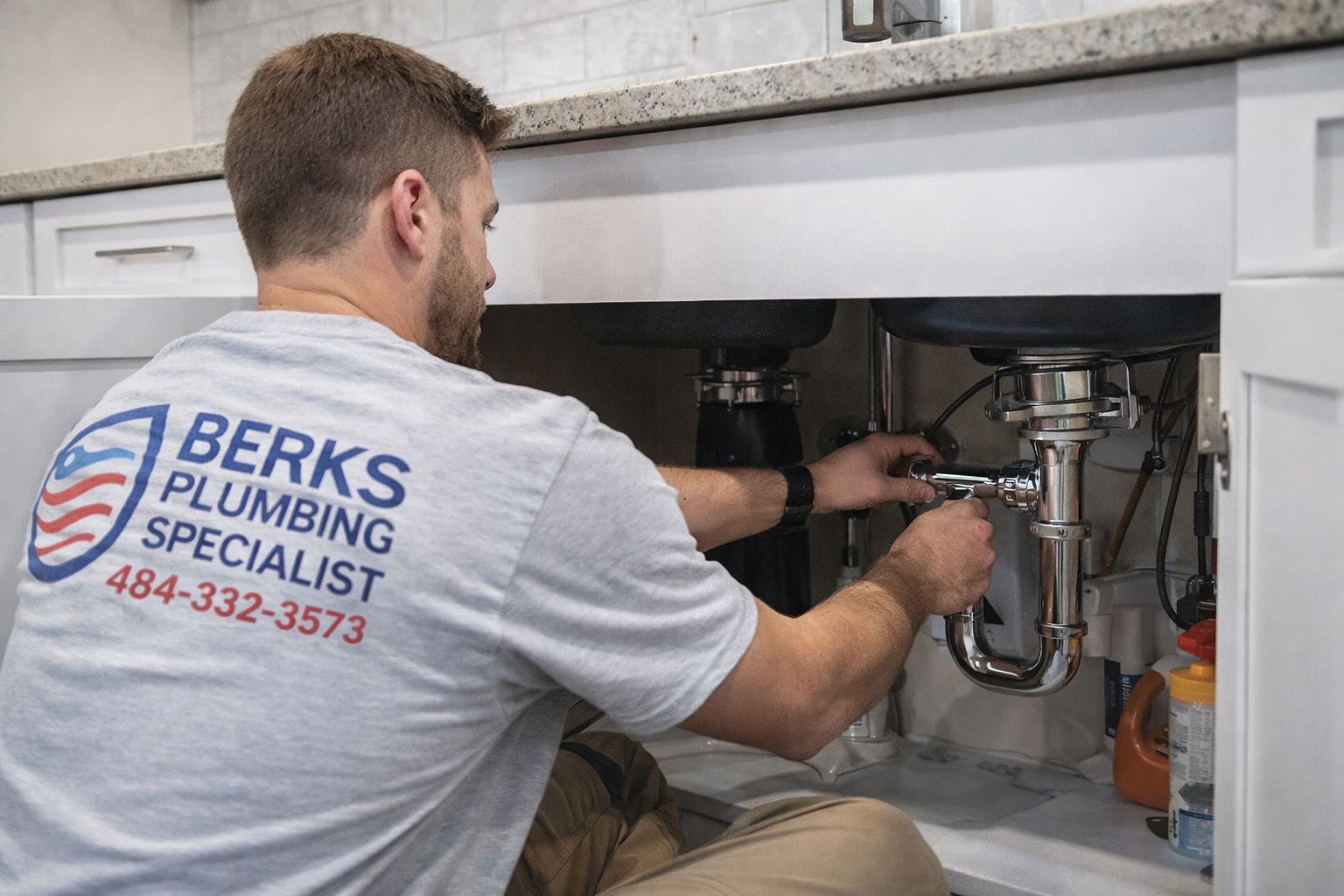
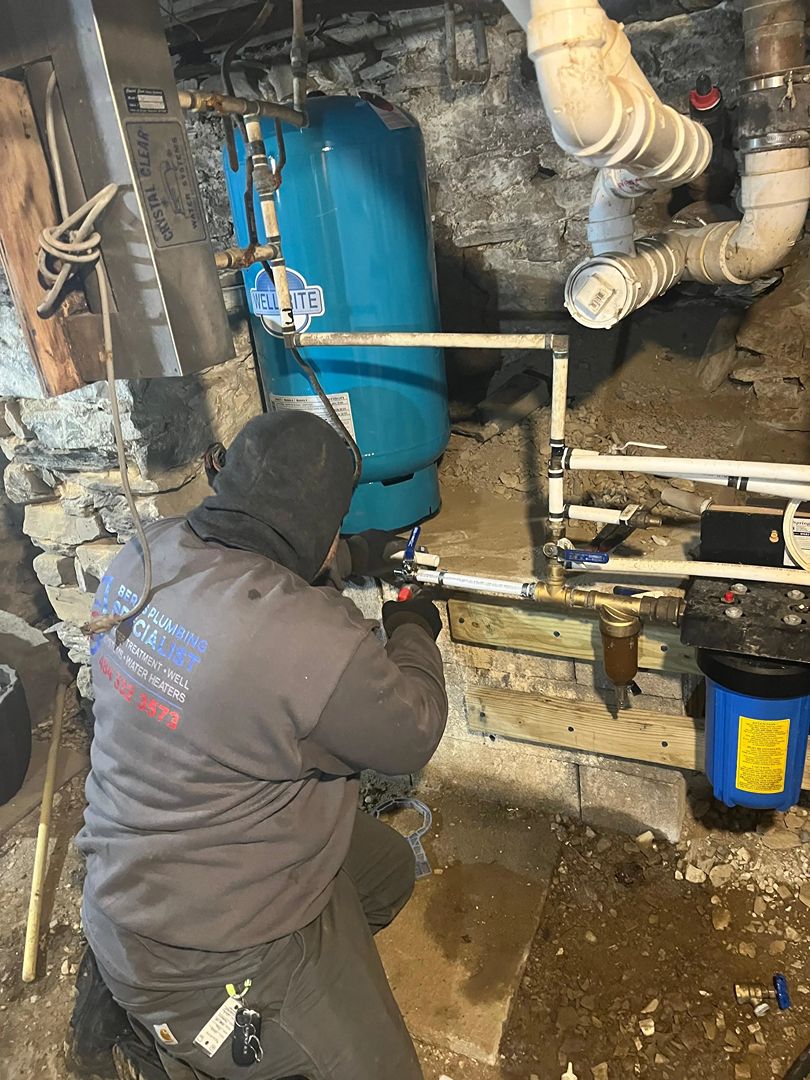
201 East Bellevue Avenue, Reading, PA
Permits, opening the street and the call before anyone digs.
The plumber pulls the permits, and they show up on the quote. In Reading the plumbing permit is priced on the job: $150 for the first $1,000 of labor and materials, $20 for every thousand above that, plus a $50 administrative fee and the $4.50 state fee. Opening the street is a separate street cut permit: $10 for the street cut, $100 for the inspection, and pavement restoration at $150 a square yard for the first five square yards, doubled on a street paved within the last five years. In the boroughs and townships a lateral permit is one line on the fee schedule, roughly $80 to $155 all in.
Before anyone digs, state law requires a locate request to PA One Call (dial 811) three to ten business days ahead. Ask the contractor for its eleven-digit PA One Call serial number before the work starts.
Will insurance pay, and where else does the money come from?
The standard homeowners policy excludes water that backs up through sewers or drains and water below the surface of the ground. A water backup add-on covers the damage inside the house, not the pipe. Service line coverage is the piece that pays for the pipe itself; one regional carrier's home policy bundles carry $10,000 or $25,000 of it, and an insurance agent in Berks can tell you whether yours does.
The PENNVEST homeowner sewage program is a state loan for exactly this. It lends $2,500 to $25,000 to repair or replace a lateral, at a fixed rate as low as 1.75 percent for up to 20 years, and a $25,000 loan at that rate is about $124 a month. Applications go through participating lenders, and the state housing agency, PHFA, answers questions at 1-855-827-3466.
Frequently asked questions about sewer line replacement in Berks County.
Will homeowners insurance pay to replace a sewer line?
Not the base policy. A water backup add-on pays for the mess inside the house; service line coverage, if you carry it, pays for the pipe.
How often does a sewer line need to be replaced?
There's no schedule. A line is replaced when the camera shows a collapse, a sag or roots that keep coming back.
What part of the sewer line is the city responsible for?
Reading's code doesn't draw that line. The City's plumbing code applies from the curb line or property line into the house, and to a plumber's work in the street; for sewage in the basement, the sewer department is at 610-655-6008.
With the quote in hand: get the camera report, pace off house to curb, see which side of the curb line the break sits on, and check that against your town's rule in the table. A serious sag rules out lining, a collapse rules out bursting. Make sure the permits, the street cut and the PA One Call number are on the paper, then get a second quote from the county plumbers page and use our plumber hiring guide to compare the two side by side. The pipe has been down there for decades; it can wait one more day.
Sources
- HomeAdvisor, "How Much Does Sewer Line Replacement Cost?" (updated June 19, 2026): the whole-job range and average, the per-foot figures by method, the excavation and under-slab figures, the camera inspection range, and the broken-section repair range. National.
- Bob Vila, "How Much Does Sewer Line Replacement Cost?" (updated January 27, 2023): the sewer trap replacement range. National.
- Township of Spring, Sewer Billing FAQ: the homeowner's responsibility from the curb back to the house, and calling a plumber first.
- Borough of West Reading, "Sewer Backup": the Borough maintains curb to main and plunges the sewer trap; house to curb is the owner's.
- Borough of Shillington, Sewer: a licensed plumber is called first; the Borough's side runs from the trap out to the main.
- Muhlenberg Township Authority, Rules, Standards and Specifications (November 2023): the authority's lateral runs from the main to the curb line; the owner maintains and pays to replace the line from the building to the curb.
- Antietam Valley Municipal Authority, "Sewer Backups" and its home page (the service area): the authority owns the service lateral to the vent and cleanout behind the curb and repairs it free; the owner owns the service line.
- Kutztown Borough, Ordinance No. 3-2015 (Chapter 177, Sewers): the owner bears the costs of the building sewer and the lateral; the lateral does not include the building trap.
- Pennsylvania American Water, "Rights & Responsibilities" and Exeter Township, Wastewater Information: the customer's sewer service line runs from the property line to the building, tree roots included; Exeter's system went to Pennsylvania American Water in 2019.
- City of Reading Code of Ordinances, § 180-902 (Plumbing Code amendments): jurisdiction from the curb line or property line into the property; the building trap required at the curb line with a fresh air inlet and a cleanout (IPC 1002.6 as amended). With Reading Area Water Authority FAQ and City of Reading Public Works FAQ: the two sewer boxes at the curb, the sewer department number, and the City's Public Works page. And Pennsylvania Plumbing Code 2021 (IPC 2021 as adopted), § 1002.6: building (house) traps prohibited.
- City of Reading Code, Chapter 212 Fees, § 212-106 and § 212-140: the plumbing permit priced on labor and materials, the administrative and state fees, the street cut permit, inspection and pavement restoration fees and the new-pavement surcharges.
- Spring Township, Wyomissing Borough, Muhlenberg Township, Boyertown Borough, Exeter Township, Amity Township and Cumru Township fee schedules: the sewer lateral permit lines behind the roughly $50 to $155 range.
- U.S. Census Bureau, American Community Survey 2020 to 2024 five-year estimates, table B25034 (Year Structure Built), Berks County and its municipalities: the share of homes built before 1940 (27.5 percent countywide, 56.9 percent in Reading).
- California State University Sacramento, Office of Water Programs, "Engineering Sustainability of Piping Materials: Vitrified Clay Pipe and PVC Pipe" (February 28, 2002), Carpinteria Sanitary District, "Long Live Sewer Laterals" and Pinellas County, Private Sewer Lateral Program FAQ: clay's century of service and joint failures, cast iron wearing from the inside, roots as the main cause of blockages, 50 years from a new pipe, and a lateral leaking for years with no warning.
- APWA Minnesota Chapter, "The Rise and Fall of Orangeburg Pipe" (August 22, 2022): what Orangeburg is, its advertised 50-year life, root intrusion, and the maker's closing in 1974.
- U.S. EPA, "Water Technology Fact Sheet: Pipe Bursting" (EPA 832-F-06-030, September 2006), North Coast Resource Partnership, "Trenchless Sewer Rehabilitation" (March 3, 2020) and Drain and Water Plumbing, "Can Trenchless Methods Fix a Sagging Pipe?": how bursting and lining work, bursting through bends and not through a collapse, and a liner following the old pipe's sag.
- Pennsylvania One Call System, PA Act 287 as amended and Homeowner FAQs: the three-to-ten business day notice, the eleven-digit serial number, and utilities marking their own lines.
- ISO Homeowners 3 Special Form, HO 00 03 05 11, a carrier's water back-up endorsement (04 95) and Erie Insurance, Service Line Coverage: the sewer backup and below-ground water exclusions, what the water backup endorsement covers, and the $10,000 and $25,000 service line limits.
- PENNVEST, Homeowner Sewage Program: the lateral loan terms; and Pennsylvania Home Improvement Consumer Protection Act, § 517.7(a)(8): the written estimate and the 10 percent rule on time-and-materials work.
- Roto-Rooter Plumbing & Water Cleanup, Reading, Berks Plumbing & HVAC Specialist, Drain and Sewer and its pipe bursting page: the camera-first and lining offer, the inspect-then-quote policy and pipe bursting.