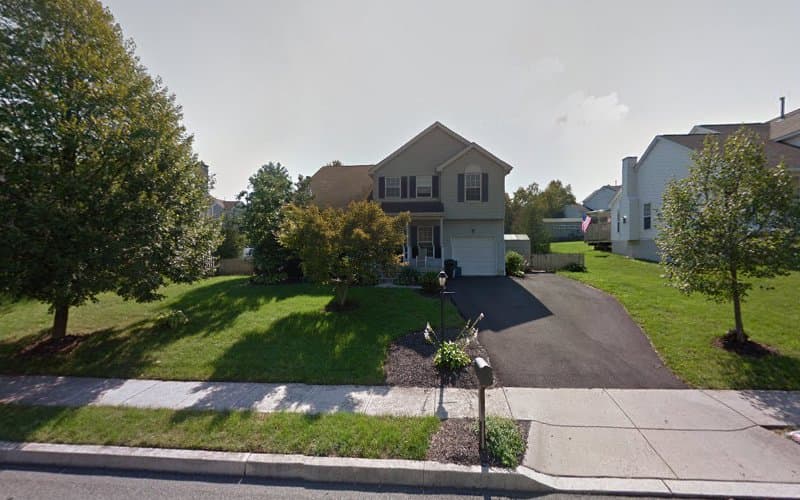
Gabe's Web Depot is a website design service operating from Limerick Township, Pennsylvania. Located along Sanatoga Road in the 19464 postal area, this business provides web development and design services to clients seeking an online presence.
Location and Service Area
Limerick Township sits within Montgomery County in southeastern Pennsylvania, approximately 35 miles northwest of Philadelphia. The township has experienced significant growth over recent decades, transitioning from a primarily agricultural community to a more suburban and commercially developed area. Sanatoga Road serves as one of the main thoroughfares in the region, connecting various residential and commercial zones throughout the township.
The positioning within Montgomery County places Gabe's Web Depot within reach of a substantial business community. The greater Philadelphia metropolitan area contains hundreds of thousands of small and medium-sized businesses, many of which require web design services. Additionally, the Pottstown area and surrounding communities in Berks and Chester counties fall within reasonable proximity, expanding the potential client base for a service-based business of this nature.
Web Design Services
Website designers typically offer a range of services that extend beyond simple page creation. The field encompasses several interconnected disciplines that work together to produce functional, visually appealing websites. Understanding these services helps potential clients recognize what they might need for their particular situations.
Custom website design involves creating unique layouts and visual elements tailored to a specific business or individual. This differs from template-based approaches where pre-made designs are modified to fit client needs. Custom work generally requires more time and expertise but results in a distinctive online presence that stands apart from competitors using similar templates.
Responsive design has become essential in contemporary web development. This approach ensures websites display properly across various devices, including desktop computers, tablets, and smartphones. Given that mobile internet usage now accounts for a substantial portion of all web traffic, sites that fail to render correctly on smaller screens risk losing significant numbers of potential visitors.
Content management system integration represents another common service in the web design field. Systems like WordPress, Joomla, and Drupal allow website owners to update their own content without requiring technical knowledge of coding languages. Designers who implement these systems provide clients with greater independence in maintaining their sites after the initial build is complete.
E-commerce functionality serves businesses that sell products or services online. This involves shopping cart systems, payment processing integration, inventory management, and secure checkout procedures. The complexity of e-commerce sites varies considerably based on the scale of operations and specific business requirements.
The Web Design Industry Context
The website design industry has evolved substantially since the early days of the internet. What once required extensive coding knowledge has become more accessible through various tools and platforms, yet professional designers continue to provide value through their expertise in user experience, visual design principles, and technical optimization.
Small business web design occupies a particular niche within the broader industry. Unlike large corporations with dedicated IT departments and substantial budgets, small businesses often need cost-effective solutions that still present a professional image. Local web designers frequently serve this market segment, offering personalized service and direct communication that larger agencies may not provide.
The relationship between a web designer and client typically extends beyond the initial site launch. Websites require ongoing maintenance, security updates, and periodic redesigns to remain current with evolving web standards and design trends. Many designers offer maintenance packages or ongoing support arrangements to address these continuing needs.
Technical Considerations in Modern Web Design
Contemporary websites must address numerous technical requirements that affect both user experience and search engine visibility. Search engine optimization involves structuring sites and content in ways that help search engines understand and appropriately rank pages. While SEO encompasses many factors, the foundation begins with proper website construction.
Page loading speed has become increasingly important as internet users expect rapid access to information. Designers achieve faster load times through image optimization, efficient coding practices, proper hosting selection, and various caching techniques. Search engines now factor page speed into their ranking algorithms, making this a practical concern beyond mere user convenience.
Website security protects both site owners and their visitors. SSL certificates, which enable the HTTPS protocol, encrypt data transmitted between users and websites. Regular software updates, secure coding practices, and proper server configuration all contribute to maintaining site security. Businesses that collect customer information bear particular responsibility for protecting that data.
Accessibility standards ensure websites can be used by people with various disabilities. This includes proper contrast ratios for those with visual impairments, keyboard navigation for those who cannot use a mouse, and screen reader compatibility for blind users. Beyond being ethically appropriate, accessibility compliance may be legally required for certain types of organizations.
Working with a Local Web Designer
Engaging a local web designer offers certain advantages compared to remote services or large agencies. Direct, in-person meetings allow for clearer communication of ideas and expectations. Local designers often possess familiarity with the regional business environment and can offer insights specific to the area market.
The process of working with a web designer typically begins with consultation to understand the client's needs, goals, and budget. This discovery phase informs the proposal and project scope. Once terms are agreed upon, designers generally proceed through stages including wireframing, visual design, development, testing, and launch.
Client involvement throughout the process varies by designer and project. Some designers prefer to present completed concepts for approval, while others involve clients in more iterative feedback loops. Understanding the working style of a potential designer helps ensure compatibility and smoother project progression.
Practical Information for Potential Clients
Businesses and individuals considering web design services benefit from preparing certain information before initial consultations. Having a clear sense of the website's purpose, target audience, desired features, and approximate budget helps designers provide accurate proposals and realistic timelines.
Examples of websites that appeal to the potential client, even from unrelated industries, give designers useful reference points for understanding aesthetic preferences. Similarly, identifying competitor websites helps establish the context within which the new site will operate.
Content preparation often represents the most time-consuming aspect of website projects from the client's perspective. Text, images, and other materials needed for the site require gathering, writing, or creation. Designers may offer content services or guidance, but clients should anticipate this requirement when planning project timelines.
Direct contact allows for detailed discussion of particular project needs and requirements.