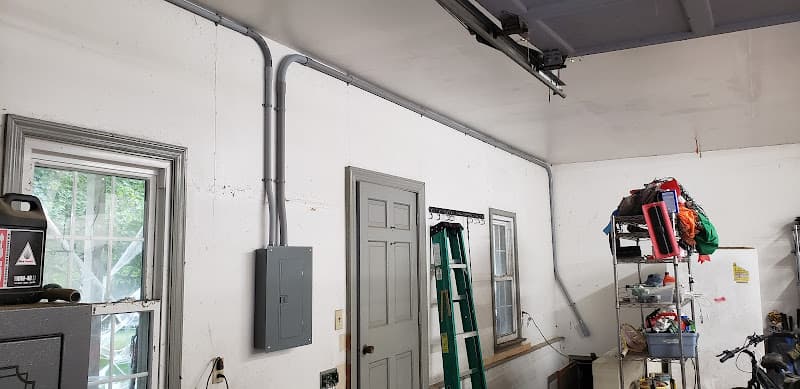
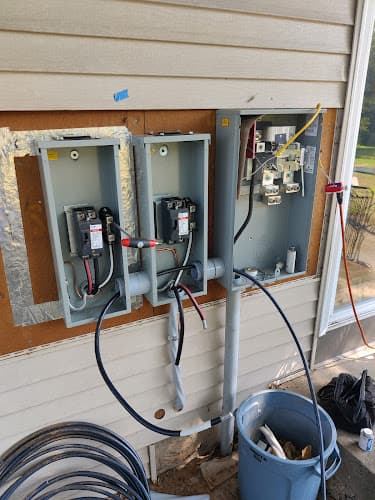
3D-R Electric LLC is a licensed electrical contracting company operating in Pennsylvania. The business provides electrical services to residential and commercial clients throughout its service area, handling a range of projects from basic electrical repairs to more complex installation work. As an LLC, the company operates as a limited liability entity, a common business structure for trade contractors that allows for operational flexibility while maintaining professional standards required by Pennsylvania's electrical licensing regulations.
Services and Capabilities
Electrical contractors like 3D-R Electric typically offer a comprehensive range of services that address both routine maintenance needs and specialized installation requirements. While specific service offerings can vary based on company expertise and licensing, electrical contractors in Pennsylvania generally provide work in several key categories.
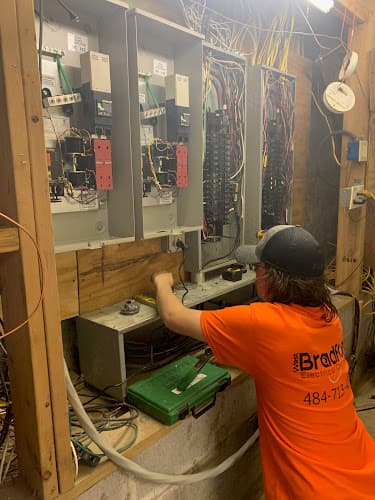
Residential electrical services commonly include panel upgrades and replacements, outlet and switch installation, lighting fixture installation, ceiling fan wiring, dedicated circuits for appliances, whole-house rewiring for older homes, and troubleshooting electrical issues such as flickering lights, tripped breakers, or non-functioning outlets. Many homeowners require electrical work when renovating kitchens or bathrooms, adding home offices, or upgrading older electrical systems to meet current code requirements and handle modern power demands.
Commercial electrical work encompasses a broader scope, often including electrical system design for new construction, tenant improvement projects, lighting retrofits for energy efficiency, electrical maintenance contracts, emergency repair services, and code compliance upgrades. Commercial clients may range from small retail establishments to larger industrial facilities, each with distinct electrical requirements.
Generator installation and maintenance represents another common service area for electrical contractors. With Pennsylvania experiencing occasional severe weather events that can cause power outages, standby generators have become increasingly popular among both residential and commercial property owners seeking uninterrupted power supply.
Pennsylvania Electrical Contracting Industry
The electrical contracting industry in Pennsylvania operates under specific regulatory frameworks that vary by municipality. While Pennsylvania does not have a statewide electrical licensing requirement, many cities and townships maintain their own licensing standards. Philadelphia, Pittsburgh, and numerous other municipalities require electrical contractors to hold valid licenses, pass examinations, and maintain insurance coverage. This patchwork of local regulations means that electrical contractors often need to secure multiple licenses to work across different jurisdictions within the state.
Electrical contractors in Pennsylvania must also comply with the National Electrical Code, which is adopted and enforced at the local level. The NEC establishes minimum safety standards for electrical installations and is updated every three years, requiring contractors to stay current with evolving requirements. Local building departments typically conduct inspections of electrical work to verify code compliance before projects can be completed and approved.
Service Area Considerations
Pennsylvania presents diverse geographical and demographic conditions that influence electrical contracting work. The state includes major metropolitan areas such as Philadelphia and Pittsburgh, suburban communities, small towns, and rural regions. Each setting presents different typical service needs. Urban areas often involve work in older buildings that may require significant electrical upgrades to meet modern standards, while newer suburban developments may need additional circuit capacity to accommodate contemporary power demands.
The age of Pennsylvania's housing stock creates particular considerations for electrical contractors. Many homes in the state were built before modern electrical codes were established, featuring outdated wiring systems such as knob-and-tube wiring or aluminum branch circuit wiring. These older systems often require professional evaluation and, in many cases, replacement to ensure safety and adequate electrical capacity.
Understanding Electrical Contractor Selection
When property owners seek electrical services, several factors typically influence contractor selection. Licensing and insurance verification represents a fundamental consideration, as properly licensed and insured contractors provide protection for property owners in case of accidents or substandard work. Pennsylvania law requires contractors to carry workers' compensation insurance when they have employees, and general liability insurance protects against property damage or injuries that may occur during work.
Electrical work pricing structures vary based on project type and complexity. Some contractors offer flat-rate pricing for common services, while others bill on a time-and-materials basis. Emergency services, which may be required outside normal business hours, typically command premium rates due to the immediate response required.
The relationship between electrical contractors and their clients often extends beyond single projects. Property owners with older buildings or complex electrical systems may develop ongoing relationships with contractors who become familiar with their specific electrical infrastructure. This familiarity can lead to more efficient troubleshooting and maintenance over time.
Industry Trends and Developments
The electrical contracting industry has evolved significantly in recent years, with new technologies creating both opportunities and training requirements. Electric vehicle charging station installation has emerged as a growing service category, with increasing EV adoption driving demand for residential and commercial charging infrastructure. Smart home technology integration, including automated lighting systems, smart thermostats, and home automation hubs, represents another expanding service area.
Energy efficiency improvements continue to drive electrical work, with LED lighting retrofits, solar panel electrical connections, and energy monitoring systems becoming increasingly common requests. Pennsylvania's net metering policies allow property owners with solar installations to receive credit for excess electricity generated, making solar-related electrical work relevant to contractors in the state.
Backup power solutions have gained prominence, particularly following severe weather events that highlighted grid vulnerability. Whole-house generators, battery backup systems, and transfer switches have become standard offerings for many electrical contractors serving both residential and commercial clients.
Contacting the Business
3D-R Electric LLC can be reached by telephone at 800-436-3021, a toll-free number that facilitates contact from anywhere within the United States. The toll-free number suggests the company may serve a broader geographic area within Pennsylvania or potentially neighboring states, as local contractors often utilize local area codes rather than toll-free numbers.
Property owners seeking electrical services are generally advised to obtain multiple estimates for significant projects, verify contractor credentials, and request references from previous clients. Written estimates and contracts that clearly specify the scope of work, materials to be used, timeline, and payment terms help establish clear expectations for both parties involved in electrical contracting projects.