Ammeraal Beltech
Ammeraal Beltech in Reading is a renowned manufacturer specializing in industrial belting solutions. With a strong focus on quality, they serve diverse industries with innovative products.
What people love about Ammeraal Beltech
Specialized Belt Expertise
The reviewer emphasizes both the exceptional product quality and the business's specialized expertise in belts, suggesting this is a niche business that excels in its specific product category. The superlative language ("best in the industry") indicates strong customer confidence in their specialization.
Key Themes from Reviews of Ammeraal Beltech
Based on the single review provided, there is insufficient data to identify 5-7 prominent themes with confidence. However, one theme can be extracted:
MixedNo summary provided.
Product Quality (Belts)
PositiveThe customer expresses strong satisfaction with the quality of the belts offered by this business.
About Ammeraal Beltech
Company Overview
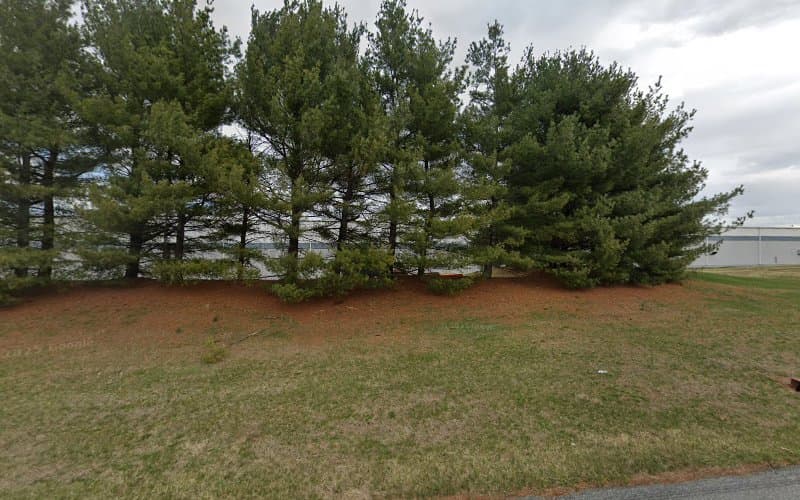
Ammeraal Beltech is a manufacturer specializing in the production of conveyor belts and process belts for industrial applications. The company operates a facility at 1157 Arnold Rd in Reading, Pennsylvania, positioning it within the broader manufacturing corridor of Berks County. As a belting manufacturer, Ammeraal Beltech serves industries that rely on material handling systems, food processing equipment, logistics operations, and various other sectors where conveyor technology plays an essential role in production and distribution.
The Reading location represents one component of Ammeraal Beltech's broader operational footprint. The company has roots extending back to the Netherlands, where it was originally established, and has since expanded to maintain manufacturing and distribution capabilities across multiple continents. This international presence allows the company to serve customers in diverse geographic markets while maintaining regional production facilities that can respond to local industrial needs.
Products and Manufacturing Focus
Ammeraal Beltech's core business centers on the design and manufacture of belting solutions for conveyor systems. The company produces several categories of belts, each engineered for specific industrial applications and operating conditions.
- Synthetic modular belts constructed from interlocking plastic components
- Fabric conveyor belts using woven materials with various surface coatings
- Homogeneous thermoplastic belts for food processing applications
- Timing belts and power transmission belts for synchronized conveyor operations
- Specialty belts designed for specific industries including tobacco, textiles, and paper production
The manufacturing process for industrial belting involves multiple stages, from the selection of base materials to the application of surface treatments that determine a belt's friction characteristics, chemical resistance, and suitability for contact with food products. Different industries require belts with vastly different properties. A belt used in a bakery, for instance, must meet food safety standards and resist the adhesion of dough, while a belt in a package sorting facility needs durability against abrasion and the ability to grip cardboard surfaces reliably.
Ammeraal Beltech produces belts in various widths, lengths, and configurations to match the specifications of different conveyor systems. The company also offers fabrication services, joining belt ends and adding cleats, sidewalls, or tracking guides according to customer requirements. This fabrication work transforms raw belting material into finished products ready for installation on specific equipment.
Industrial Applications
The belting products manufactured by Ammeraal Beltech find application across numerous industrial sectors. Each sector presents distinct challenges that influence belt design and material selection.
In food processing, belts must comply with regulations governing materials that contact consumable products. These belts often feature smooth, non-porous surfaces that can be cleaned and sanitized between production runs. The food industry uses conveyor belts in bakeries, meat processing plants, confectionery production, fruit and vegetable handling, and beverage manufacturing. Temperature resistance becomes important in applications involving ovens, freezers, or hot liquids.
Logistics and distribution centers rely heavily on conveyor systems to move packages through sorting facilities, warehouses, and shipping terminals. Belts in these applications must handle varying package weights and sizes while maintaining consistent tracking on conveyor frames. The growth of e-commerce has expanded demand for belting in distribution applications as companies process increasing volumes of individual shipments.
Manufacturing facilities use conveyor belts to transport components between workstations, move products through assembly processes, and feed materials into machinery. Automotive plants, electronics manufacturers, and consumer goods producers all incorporate conveyor systems into their production lines. The specific belt requirements vary based on the products being handled and the environmental conditions within each facility.
Airport baggage handling systems represent another significant application for industrial belting. These systems must operate reliably for extended periods while handling luggage of various sizes and weights. The belts face exposure to outdoor weather conditions in some sections while meeting fire safety requirements in enclosed areas.
The Reading, Pennsylvania Location
The facility on Arnold Road in Reading occupies a position within a region that has historically supported manufacturing operations. Berks County and the surrounding areas of southeastern Pennsylvania developed as industrial centers during the 19th and 20th centuries, with infrastructure and workforce capabilities that continue to support manufacturing activities.
Reading's location provides access to major transportation routes connecting the facility to customers throughout the northeastern United States. The Pennsylvania Turnpike and Interstate 78 offer highway connections to metropolitan areas including Philadelphia, New York, and Baltimore. This geographic positioning enables the Reading facility to serve a substantial customer base within reasonable shipping distances.
The regional economy includes numerous manufacturing operations, food processing plants, and distribution centers that represent potential customers for industrial belting products. Having a local production and service facility allows Ammeraal Beltech to respond to customer needs with shorter lead times than would be possible from more distant locations.
Technical Support and Services
Beyond manufacturing belts, companies in this industry typically provide technical services to help customers select appropriate products and maintain their conveyor systems. Belt selection involves analyzing factors including the products being conveyed, operating speeds, environmental conditions, and the mechanical characteristics of existing conveyor equipment.
Installation services ensure that belts are properly tensioned and tracked on conveyor systems. Improper installation can lead to premature belt wear, tracking problems, or damage to conveyor components. Technical personnel can assess existing systems and recommend modifications to improve performance or extend belt life.
Maintenance programs help customers monitor belt condition and plan replacements before failures occur. Unplanned conveyor downtime can halt production lines and disrupt operations, making preventive maintenance economically valuable for facilities that depend on continuous conveyor operation.
Industry Context
The industrial belting sector serves as a component supplier to a wide range of manufacturing and logistics operations. While conveyor belts may not be the most visible elements of industrial facilities, they perform essential functions in moving materials through production processes and distribution systems.
The industry has evolved alongside changes in manufacturing practices and materials science. Modern belting products incorporate synthetic materials, specialized coatings, and engineered surface textures that were not available in earlier decades. These advances have expanded the applications where conveyor systems can operate effectively and improved the durability and performance of belting products.
Food safety regulations have driven development of belting materials and designs that facilitate cleaning and reduce contamination risks. Modular belt designs allow individual damaged sections to be replaced without removing entire belts from conveyor systems. Tracking systems and sensors enable monitoring of belt condition and alignment during operation.
Environmental considerations have also influenced the industry, with attention to the recyclability of belt materials and the energy efficiency of conveyor systems. Reducing friction between belts and conveyor components can lower the power consumption of material handling systems.
Serving Industrial Customers
Manufacturers like Ammeraal Beltech work with a diverse customer base ranging from small food processors to large multinational corporations. The requirements of each customer depend on their specific applications, production volumes, and operational priorities. Some customers prioritize belt longevity to minimize replacement frequency, while others focus on food safety certifications or compatibility with specific conveyor equipment.
The Reading facility contributes to Ammeraal Beltech's ability to serve customers in the mid-Atlantic region and beyond, providing manufacturing capabilities and technical resources within the broader network of company operations. For industries that depend on conveyor systems, having access to reliable belting suppliers with regional presence supports operational continuity and equipment maintenance.
Contact Information for Ammeraal Beltech
Customer Reviews
No reviews yet.
Working Hours / Hours of Operation
Location Map
Similar Manufacturing Plants Near Reading, PA
BerksConnect: everything local in Berks County, PA.
8,700+ local businesses with AI-summarized reviews, plus local guides, jobs, and what's happening around the county.