

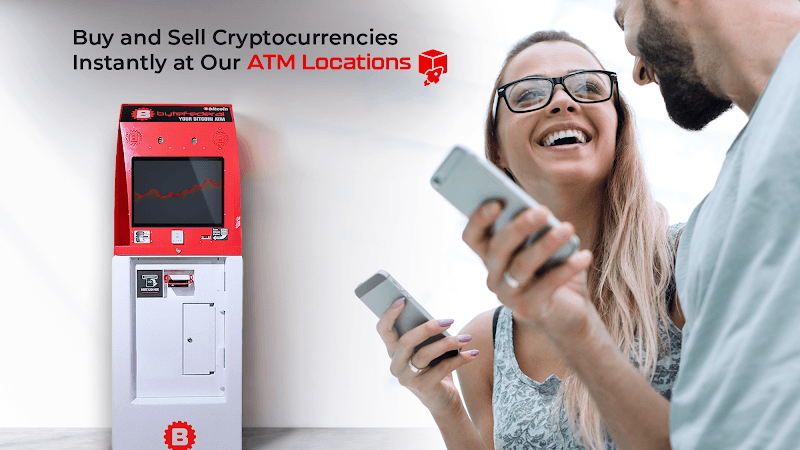
Crypto ATM
Byte Federal Bitcoin ATM (Cigar Plus)
5.0(1)Wyomissing
Byte Federal Bitcoin ATM at Cigar Plus in Wyomissing provides a convenient and accessible solution for cryptocurrency transactions.
ATM in Reading, PA provides convenient access to financial services right when you need them most.
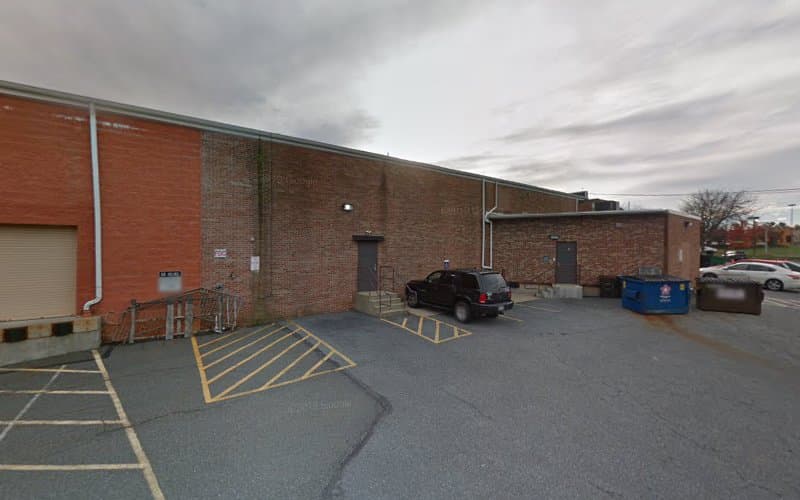
This ATM location provides automated banking services at 2101 State Hill Road in Reading, Pennsylvania. Situated within the 19610 zip code area, this cash machine offers residents and visitors access to basic financial transactions outside of traditional banking hours. The location serves as one of numerous ATM access points throughout the Reading metropolitan area, contributing to the network of financial service infrastructure that supports daily commerce in Berks County.
The ATM is positioned on State Hill Road, a significant thoroughfare in the western portion of Reading. This area of the city contains a mix of commercial establishments, retail centers, and residential neighborhoods. State Hill Road connects several key areas of Reading and serves as a corridor for both local traffic and commuters traveling through the region.
The location features wheelchair accessible facilities, including an accessible entrance and parking lot. These accommodations ensure that individuals with mobility challenges can utilize the ATM services without encountering physical barriers. The presence of accessible parking indicates that the ATM is likely situated within or adjacent to a larger commercial property that maintains compliance with accessibility standards under the Americans with Disabilities Act.
Automated teller machines generally provide a standard suite of financial services that allow customers to conduct banking transactions without the assistance of a human teller. While specific features may vary depending on the network operator and affiliated financial institutions, ATMs typically offer the following capabilities:
The availability of these services depends on the specific machine installed at this location and the banking networks with which it is affiliated. Customers using cards from banks that are not part of the ATM's primary network may have access to more limited services, typically restricted to cash withdrawals and balance inquiries, and may incur additional transaction fees.
Modern ATMs operate within interconnected networks that allow cardholders from various financial institutions to access their funds. Major ATM networks operating in the United States include Plus, Cirrus, Star, NYCE, and Allpoint, among others. The specific network affiliations of this ATM determine which cards can be used and what fee structures apply to transactions.
Customers using debit cards or ATM cards issued by the machine's owning institution typically enjoy fee-free transactions. Those using cards from other banks may encounter two types of fees: a surcharge imposed by the ATM operator and an out-of-network fee charged by their own financial institution. These fees vary considerably and can range from nominal amounts to several dollars per transaction. Many banks have implemented fee reimbursement programs for their customers, particularly those maintaining certain account types or minimum balances.
Reading, the county seat of Berks County, has a population of approximately 95,000 residents within city limits and serves as the economic center for a metropolitan area of roughly 420,000 people. The city's banking infrastructure includes branches of national banks, regional financial institutions, credit unions, and a network of ATMs distributed throughout commercial and residential areas.
The 19610 zip code encompasses portions of western Reading and adjacent areas, including sections near the Wyomissing borough boundary. This area has experienced commercial development over recent decades, with retail centers and business establishments serving both local residents and the broader region. ATM placement in such areas reflects the demand for convenient financial services in locations where people conduct shopping, dining, and other daily activities.
Automated teller machines have been a fixture of American banking since the late 1960s and early 1970s, when the first machines were introduced by financial institutions seeking to extend service hours beyond traditional banking schedules. The technology has evolved considerably since those early installations, progressing from simple cash dispensers to sophisticated terminals capable of handling complex transactions.
The proliferation of ATMs throughout the United States accelerated during the 1980s and 1990s as electronic banking networks expanded and consumer acceptance of the technology grew. Today, there are approximately 470,000 ATMs operating across the country, located in bank branches, retail establishments, convenience stores, airports, hotels, and standalone kiosks. This extensive network ensures that cash remains accessible despite the increasing prevalence of electronic payment methods.
When using any ATM, customers should be aware of several practical considerations that can affect their experience and security. Transaction limits, which restrict the amount of cash that can be withdrawn in a single transaction or within a 24-hour period, are established by both the ATM operator and the customer's issuing bank. These limits vary and may differ from the limits applicable at a customer's home bank branch.
Security awareness remains important when conducting ATM transactions. Users are generally advised to be observant of their surroundings, shield the keypad when entering their PIN, and promptly secure cash and cards after completing transactions. Many ATMs are equipped with security cameras and are positioned in well-lit areas to enhance user safety.
For customers requiring services beyond what an ATM can provide, such as account opening, loan applications, or complex transactions, traditional bank branches throughout the Reading area offer full-service banking during regular business hours. The ATM serves as a complement to these services, providing convenient access to basic transactions when branch visits are not practical or necessary.
ATMs play a functional role in supporting local commerce by ensuring that cash remains readily available for transactions. While electronic payments have grown substantially in recent years, cash continues to circulate widely in the American economy, particularly for smaller purchases, transactions at businesses that do not accept cards, and situations where consumers prefer the anonymity and immediacy that cash provides.
For the Reading community, ATM locations like this one contribute to the accessibility of financial services across different neighborhoods and commercial districts. The presence of ATMs in retail areas supports the businesses in those locations by ensuring that customers can obtain cash for purchases even when they arrive without sufficient currency on hand.
County: Berks County
No reviews yet.
Crypto ATM
Byte Federal Bitcoin ATM at Cigar Plus in Wyomissing provides a convenient and accessible solution for cryptocurrency transactions.
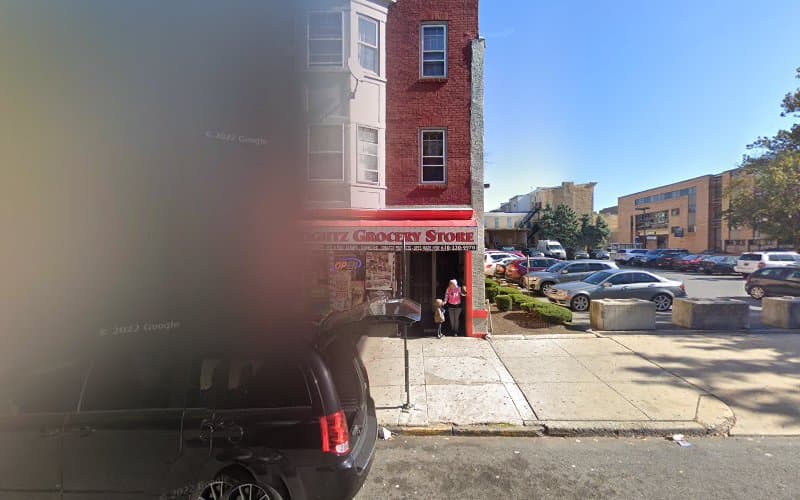
ATM
ATM in Reading provides quick and convenient access to cash services for locals and visitors alike.
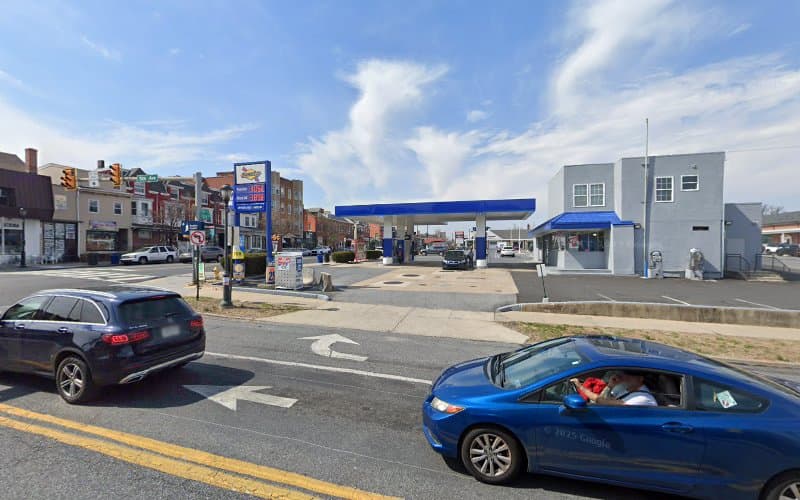
ATM
ATM in West Reading, PA provides convenient banking access for cash withdrawals and transactions any time of day.
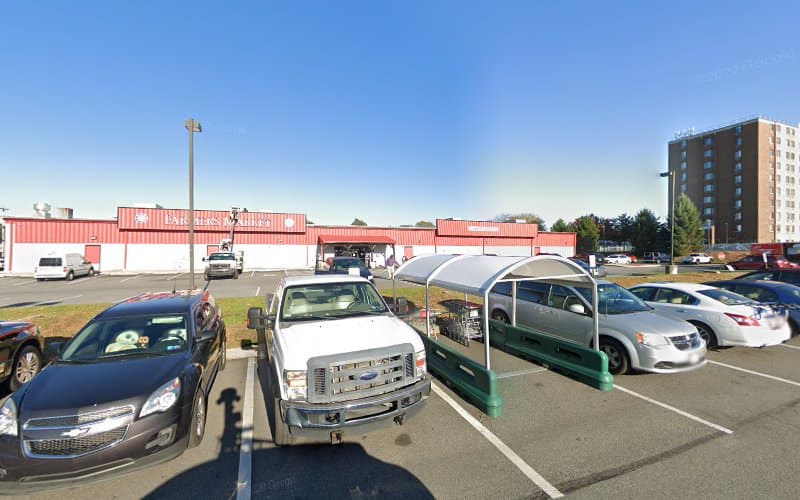
ATM
ATM in Shillington, PA provides convenient access to cash for visitors and residents alike, ensuring reliable service with every transaction.
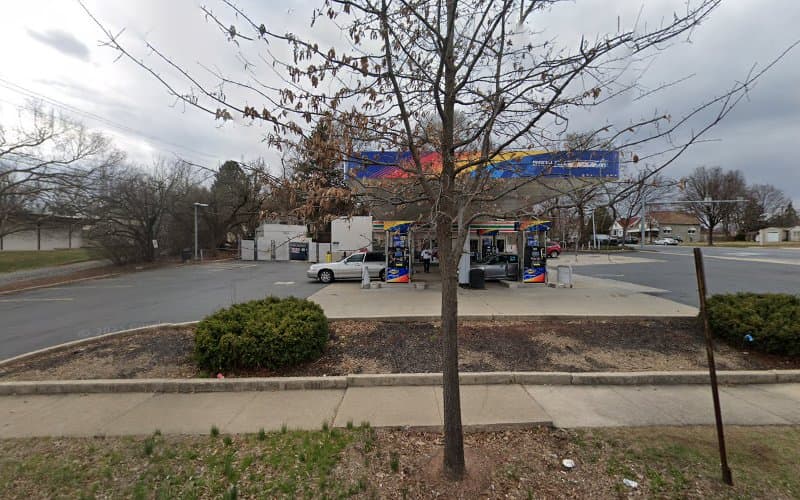
ATM
ATM in Wyomissing, PA provides convenient access to cash around the clock for local residents and visitors.
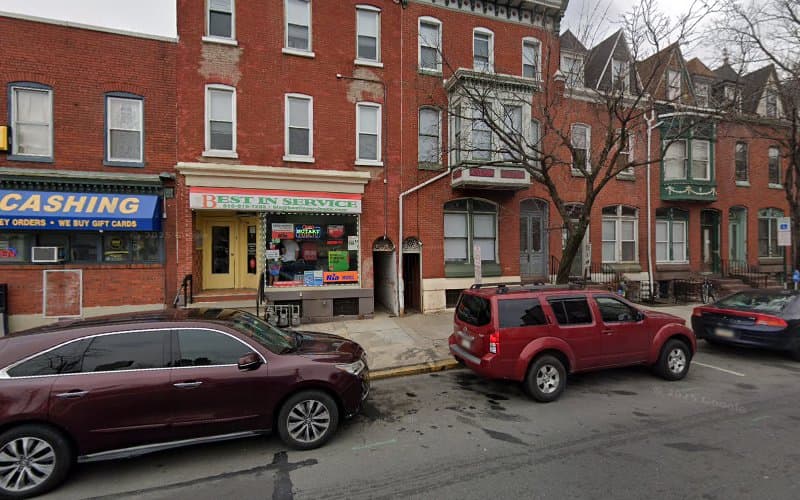
Bank
ATM Latino Express in Reading provides comprehensive banking services with a focus on serving the local community.
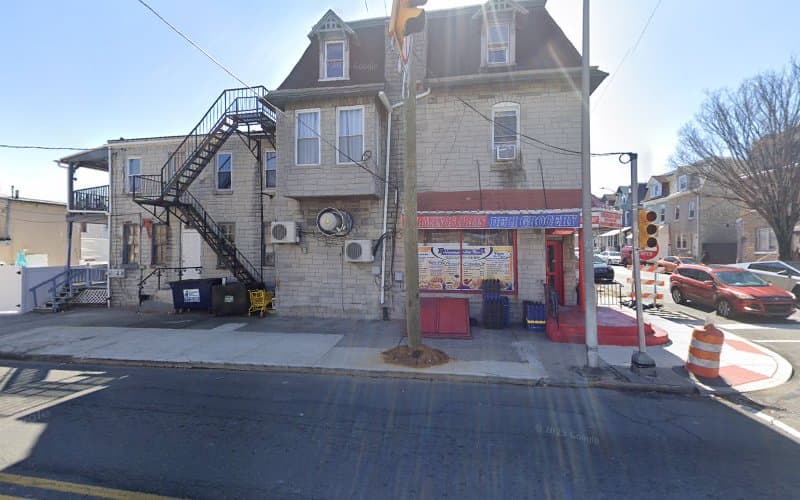
Bank
ATM Tavarez Grocery Store in Reading, PA, uniquely serves as a local bank, catering to the community's financial needs.
ATM
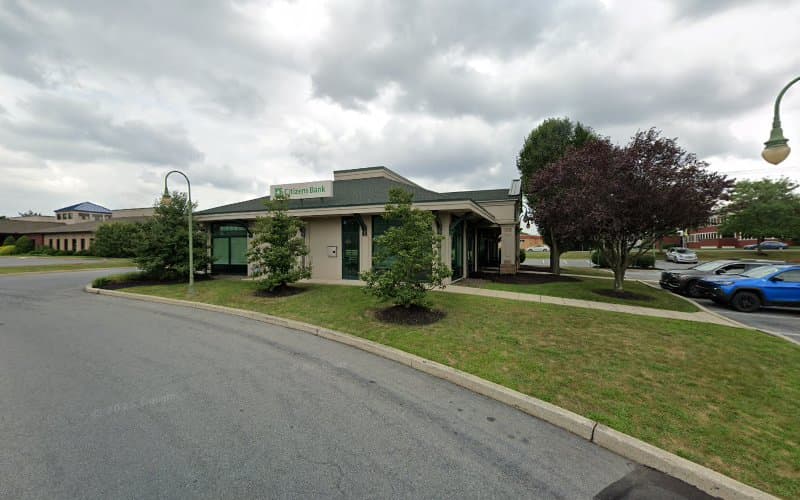
Citizens Bank ATM in Wyomissing provides convenient and secure banking services for your everyday financial needs.