

Bank
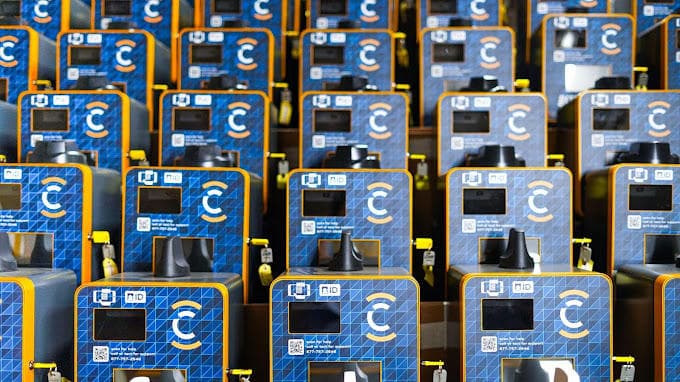
CoinFlip Bitcoin ATM - Yours One Stop (Reading)
5.0(1)Reading
CoinFlip Bitcoin ATM at Yours One Stop in Reading offers a convenient and secure option for Bitcoin transactions in the area.
Located in Reading, PA, this ATM offers convenient access to financial transactions and cash withdrawals.

This ATM location at 657 N 9th St in Reading, Pennsylvania provides automated banking services to residents and visitors in the northern section of the city. Situated in Berks County, this cash dispensing machine offers around-the-clock access to basic financial transactions without requiring customers to visit a traditional bank branch during standard business hours.
The ATM is positioned along North 9th Street in Reading, a city of approximately 95,000 residents that serves as the county seat of Berks County. The 19604 zip code encompasses portions of northern Reading, an area characterized by a mix of residential neighborhoods and commercial corridors. North 9th Street functions as one of the primary north-south thoroughfares in this section of the city, connecting various neighborhoods and providing access to local businesses and services.
The location features wheelchair accessible parking, making it more convenient for customers with mobility considerations to access the machine. This accessibility feature ensures that individuals who use wheelchairs or other mobility devices can reach the ATM without encountering significant barriers, an important consideration for inclusive financial services access.
Automated teller machines like this one generally provide a standard suite of banking functions that allow customers to conduct financial transactions outside of traditional banking hours. While specific capabilities may vary depending on the network operator and associated financial institutions, most ATMs offer several core services.
Cash withdrawal represents the primary function of most ATM installations. Customers can access funds from their checking or savings accounts using a debit card linked to their bank account. The machine dispenses currency in predetermined denominations, typically offering bills in various amounts to accommodate different withdrawal needs.
Balance inquiries allow account holders to check their current account balances without visiting a bank branch or logging into online banking platforms. This feature provides a quick way to verify available funds before making purchases or financial decisions.
Many ATMs also facilitate cash deposits, accepting currency and sometimes checks for deposit into linked accounts. This functionality varies by machine and network, with some locations offering full deposit capabilities while others focus solely on cash dispensing.
Fund transfers between accounts represent another common ATM function, enabling customers to move money between checking and savings accounts associated with their debit card. This service provides flexibility for basic account management tasks.
ATM machines typically connect to one or more electronic banking networks that facilitate transactions across different financial institutions. Common networks in the United States include Cirrus, Plus, STAR, and various regional networks that enable cardholders from different banks to access their funds at machines outside their home institution.
When using an ATM operated by a different bank or network than the customer's primary financial institution, transaction fees may apply. These fees can come from multiple sources, including the ATM operator and the customer's own bank. Fee structures vary considerably depending on the specific machine, network affiliations, and individual bank policies.
Some ATMs are affiliated with specific banks or credit unions, offering fee-free transactions to customers of those institutions while charging non-customers for access. Others operate as independent machines with their own fee schedules that apply to all users regardless of their banking relationships.
Automated teller machines have become fundamental infrastructure in the financial services landscape since their widespread adoption in the late 20th century. The first ATMs appeared in the 1960s, with rapid expansion occurring throughout the 1970s and 1980s as banks recognized the efficiency gains and customer convenience these machines provided.
For communities like Reading, ATM availability plays an important role in financial accessibility. Not all residents have easy access to traditional bank branches, and work schedules may conflict with standard banking hours. ATMs bridge this gap by providing essential banking services at times and locations convenient for customers with varying schedules and transportation options.
The presence of ATMs in commercial areas, convenience stores, shopping centers, and standalone locations throughout urban areas ensures that cash remains accessible even as digital payment methods become increasingly prevalent. Many businesses and services still operate primarily on a cash basis, making ATM access a practical necessity for daily transactions.
Financial institutions and consumer protection organizations recommend several practices for safe ATM usage. Customers are generally advised to remain aware of their surroundings when conducting transactions, particularly during evening hours or in less populated areas. Shielding the keypad while entering PIN numbers helps protect against observation by unauthorized individuals.
Retaining transaction receipts until they can be compared against account statements helps customers identify any discrepancies in their accounts. Promptly reporting lost or stolen cards to the issuing financial institution limits potential unauthorized access to accounts.
Many ATMs now incorporate security features such as surveillance cameras, anti-skimming technology, and encrypted communications to protect customer information and deter fraudulent activity. These measures reflect ongoing efforts by the financial services industry to maintain the security and integrity of ATM transactions.
Reading serves as a regional center for commerce, healthcare, and industry in southeastern Pennsylvania. The city's history as a manufacturing hub, particularly in railroad and textile industries, shaped its development throughout the 19th and 20th centuries. Today, Reading and the surrounding Berks County area support a diverse economy including healthcare, education, manufacturing, and retail sectors.
Financial services infrastructure, including ATM availability, supports the daily economic activity of Reading's residents and the broader regional population. The city's position along major transportation corridors and its role as a county seat contribute to ongoing demand for convenient banking access throughout its various neighborhoods and commercial districts.
County: Berks County
No reviews yet.
Bank
CoinFlip Bitcoin ATM at Yours One Stop in Reading offers a convenient and secure option for Bitcoin transactions in the area.
ATM
PNC ATM in Reading provides convenient and accessible banking with reliable ATM services for quick cash withdrawals and transactions.
ATM
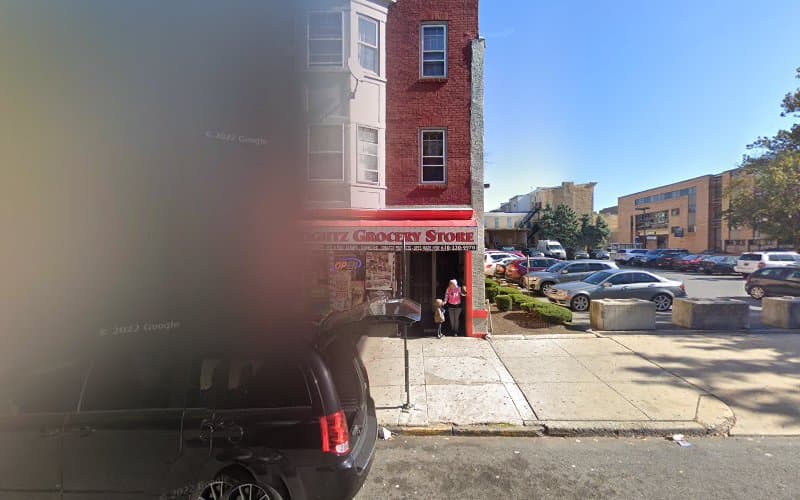
ATM in Reading provides quick and convenient access to cash services for locals and visitors alike.
ATM
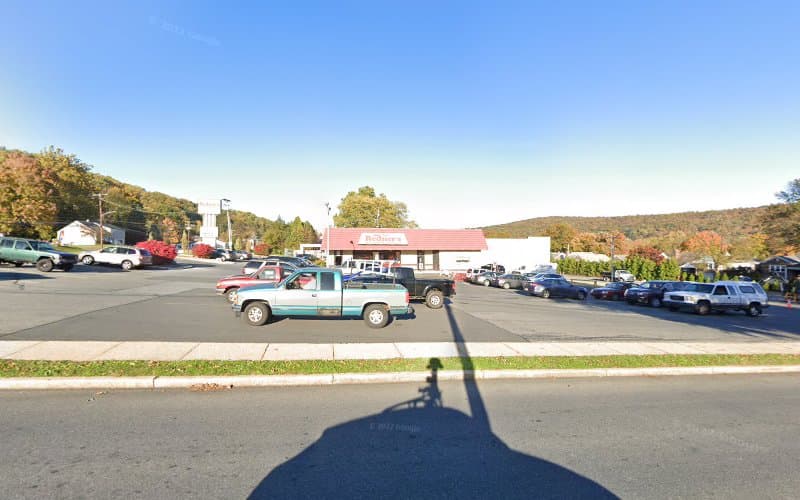
ATM in Reading, PA provides convenient and accessible cash withdrawal and banking services to the local community.
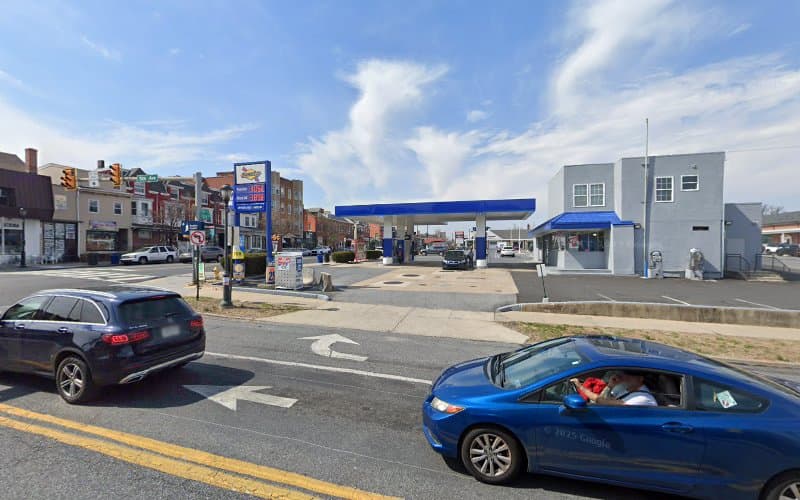
ATM
ATM in West Reading, PA provides convenient banking access for cash withdrawals and transactions any time of day.
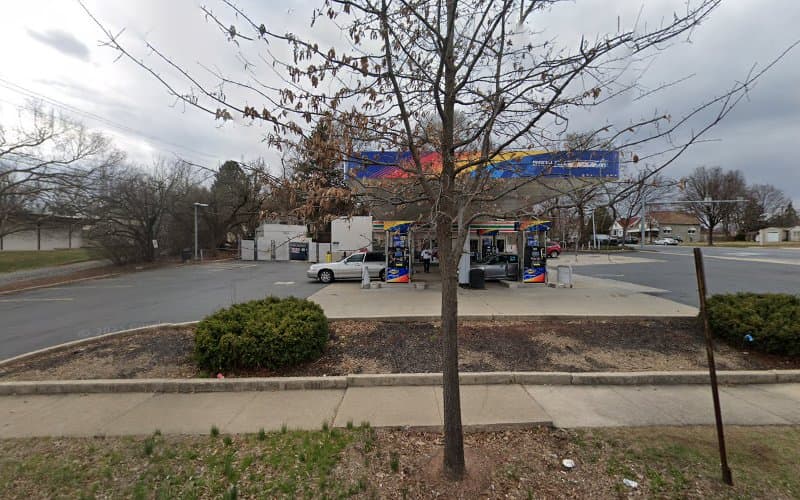
ATM
ATM in Wyomissing, PA provides convenient access to cash around the clock for local residents and visitors.
ATM
ATM in Reading, PA, provides convenient access to cash withdrawals and essential banking services in a reliable location.
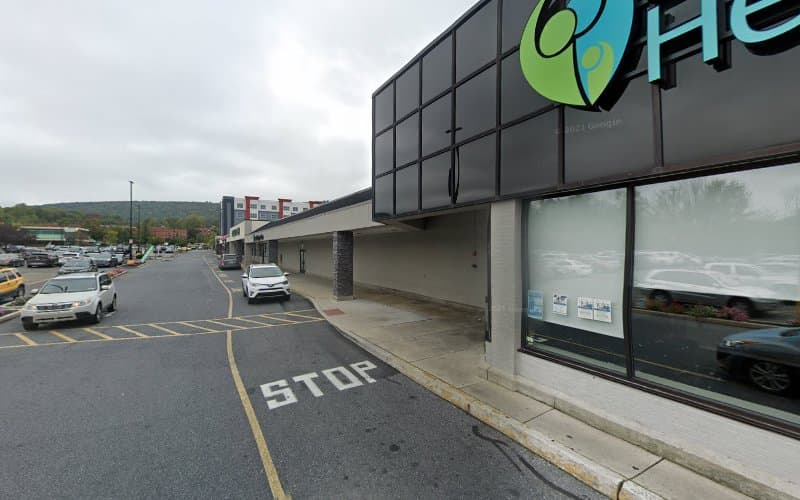
ATM
Located in Reading, PA, this ATM offers convenient and secure access to cash whenever you need it.