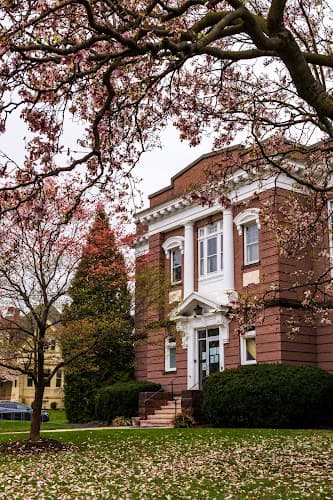
Atonement Lutheran Church Community Center
Atonement Lutheran Church Community Center in Wyomissing serves as a vital hub for community gatherings and activities.
About Atonement Lutheran Church Community Center
Overview
Atonement Lutheran Church Community Center operates as a multipurpose facility in Wyomissing, Pennsylvania, serving both the congregation of Atonement Lutheran Church and the broader Berks County community. Located at 2 Lynne Avenue, the center functions as a hub for religious activities, social gatherings, educational programs, and community outreach initiatives. As a church-affiliated community center, it represents a common model in American religious life where houses of worship extend their mission beyond Sunday services to provide practical resources and gathering spaces for their surrounding neighborhoods.
Location and Setting
Wyomissing is a borough in Berks County, Pennsylvania, situated adjacent to the city of Reading in the southeastern portion of the state. The community developed primarily during the twentieth century and maintains a suburban character with a mix of residential neighborhoods, commercial areas, and institutional facilities. The borough has a population of approximately 10,000 residents and is part of the greater Reading metropolitan area, which encompasses several hundred thousand people across Berks County.
The Lynne Avenue address places the community center within a residential section of Wyomissing, typical of many church properties that were established as neighborhoods developed in the mid-twentieth century. This location provides accessibility to residents of Wyomissing as well as neighboring communities including West Reading, Shillington, and portions of Reading itself. The surrounding area includes other religious institutions, schools, and community organizations that collectively form the civic infrastructure of this part of Berks County.
Lutheran Church Context
Lutheran churches in the United States trace their origins to the Protestant Reformation of the sixteenth century, with significant immigration from German and Scandinavian Lutheran communities beginning in the colonial era. Pennsylvania, with its tradition of religious tolerance established by William Penn, became home to substantial Lutheran populations, particularly among German-speaking immigrants who settled in the southeastern and central portions of the state. This historical pattern explains the strong Lutheran presence throughout Berks County and the surrounding Pennsylvania Dutch Country region.
The Evangelical Lutheran Church in America, the largest Lutheran denomination in the United States, operates thousands of congregations across the country, many of which maintain community centers, fellowship halls, or multipurpose facilities. These spaces serve dual purposes, accommodating church functions such as fellowship meals, Sunday school classes, and congregational meetings while also providing venues for community activities that may have no direct religious affiliation. This model reflects the Lutheran tradition of community engagement and service to neighbors regardless of their religious background.
Typical Functions of Church Community Centers
Church community centers like the facility at Atonement Lutheran Church generally serve multiple functions that benefit both congregation members and the wider public. Understanding these typical uses provides context for what visitors and community members might expect from such a facility.
Religious education programs represent a primary use of church community centers. Sunday school classes for children and youth, adult Bible study groups, confirmation classes for young people preparing for full church membership, and vacation Bible school programs during summer months all require dedicated space beyond the main sanctuary. Community centers provide classrooms, activity rooms, and gathering spaces suited to these educational purposes.
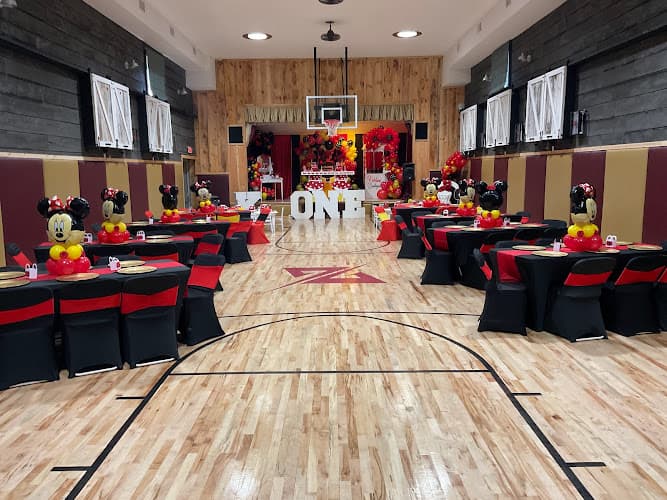
Fellowship activities form another significant category of use. Congregations gather for meals following worship services, celebrate holidays and special occasions together, host wedding receptions and funeral luncheons, and organize social events throughout the year. The community center provides kitchen facilities, dining space, and flexible room configurations to accommodate gatherings of varying sizes.
Outreach and service programs often operate from church community centers. Food pantries, clothing distribution, meal programs for those in need, support groups, and social services frequently find homes in these facilities. Lutheran congregations have historically emphasized service to those facing hardship, and community centers provide practical space for organizing and delivering such assistance.
Community organizations frequently use church facilities for meetings and activities. Scout troops, twelve-step recovery groups, civic organizations, hobby clubs, and neighborhood associations often meet in church community centers, particularly in areas where other public meeting spaces are limited. Churches typically make their facilities available at low or no cost to nonprofit and community groups, viewing this as an extension of their service mission.
The Role of Community Centers in Suburban Areas
In suburban communities like Wyomissing, church community centers often fill an important gap in available public gathering spaces. Unlike urban areas with multiple community centers, libraries, and public facilities, or rural areas with granges, fire halls, and similar traditional gathering places, suburban communities sometimes lack adequate venues for group activities and community functions. Church facilities frequently serve this need, providing meeting rooms, event spaces, and recreational facilities that might otherwise be unavailable.
This pattern developed significantly during the post-World War II suburban expansion, when new communities grew rapidly and churches were among the first institutions to establish permanent facilities. Many congregations intentionally built multipurpose spaces that could serve community needs while also supporting church programs. This approach reflected both practical considerations about facility utilization and theological commitments to community engagement and neighborly service.
Berks County Community Context
Berks County maintains a diverse array of community organizations, social services, and civic institutions that serve its population. The county seat of Reading has faced economic challenges in recent decades following the decline of manufacturing industries that once formed the backbone of the local economy. Surrounding communities like Wyomissing have maintained greater economic stability but exist within this broader regional context.
Churches and their associated community centers play significant roles in the county's social service network. Religious organizations operate food banks, provide emergency assistance, offer counseling services, and coordinate volunteer efforts throughout the region. The community center model allows congregations to extend their reach beyond their membership, serving as neighborhood resources accessible to people of all backgrounds.
Visiting and Participation
Community centers affiliated with churches typically welcome visitors and participants regardless of religious affiliation. Programs and events may include both religious activities intended primarily for congregation members and community activities open to all residents. Those interested in using the facility or participating in programs would generally contact the church office to inquire about available opportunities and any scheduling requirements.
Church community centers usually maintain regular office hours during weekdays, with additional activity during evenings and weekends when programs and events are scheduled. Accessibility features, parking availability, and specific facility amenities vary among individual centers depending on when they were constructed and what renovations may have occurred over time.
For those seeking community connection, volunteer opportunities, or simply a venue for group activities, church community centers like the facility at Atonement Lutheran Church represent established institutions with long histories of community service throughout the Wyomissing area and Berks County region.
Contact Information for Atonement Lutheran Church Community Center
Customer Reviews
No reviews yet.
Working Hours / Hours of Operation
Location Map
Similar Community Centers Near Wyomissing, PA

BerksConnect: everything local in Berks County, PA.
8,700+ local businesses with AI-summarized reviews, plus local guides, jobs, and what's happening around the county.