Becca Lutterschmidt Design is a graphic design studio based in Pennsylvania, offering creative services under the professional direction of designer Becca Lutterschmidt. Operating as an independent design practice, the studio provides visual communication solutions for businesses, organizations, and individuals seeking professional graphic design work.
Services and Specializations
As a graphic design practice, Becca Lutterschmidt Design works across the spectrum of visual communication disciplines that define contemporary design work. Graphic designers in independent practice typically handle a diverse range of projects, and studios of this nature commonly offer services that span both print and digital media.
Common service areas for graphic design studios include:
- Brand identity development, including logo design and visual identity systems
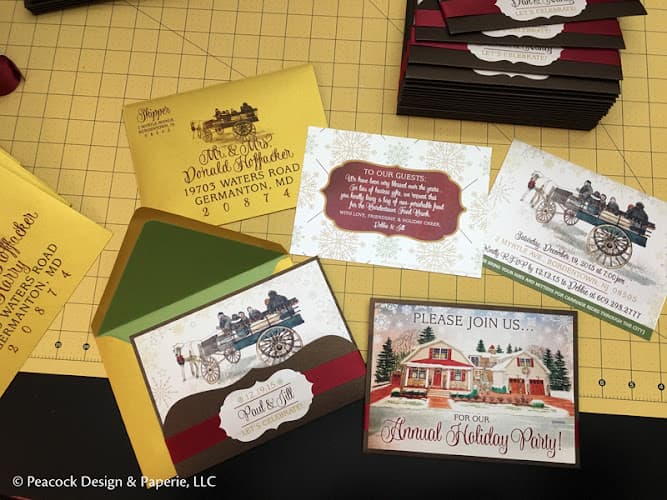
- Print collateral such as business cards, brochures, and marketing materials
- Publication design for magazines, books, catalogs, and annual reports
- Packaging design for consumer products
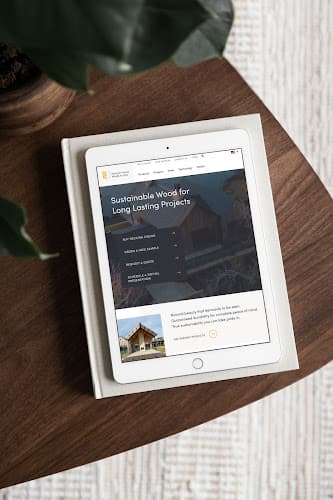
- Digital design including website graphics, social media assets, and email templates
- Environmental graphics and signage
- Illustration and custom artwork
- Typography and typesetting
The specific focus areas and project types handled by Becca Lutterschmidt Design can be explored through the studio's portfolio. Design studios often develop particular strengths in certain sectors or project types based on the designer's background, interests, and client relationships built over time.
The Independent Design Studio Model
Becca Lutterschmidt Design operates within the independent studio framework that has become increasingly prevalent in the graphic design industry. This business model differs from larger agency structures in several meaningful ways that affect how clients experience the design process.
Independent design studios typically offer direct access to the principal designer throughout a project. Unlike larger agencies where work may pass through multiple team members, clients working with sole proprietor studios generally communicate directly with the person creating their materials. This structure can facilitate clearer communication and more cohesive creative vision across all deliverables.
The independent model also allows for flexibility in project scope and timeline. Without the overhead structures of larger firms, independent designers can often accommodate varied project sizes and adapt their processes to meet specific client needs. This flexibility makes independent studios accessible to small businesses, startups, and organizations that may not require the full-service approach of larger agencies.
From a creative standpoint, independent studios often develop distinctive aesthetic approaches that reflect the designer's individual perspective and training. Clients seeking a particular visual sensibility may find that independent studios offer more consistent stylistic direction than larger agencies with multiple creative directors.
The Role of Graphic Design in Business Communication
Graphic design serves as a fundamental component of how businesses and organizations present themselves to their audiences. The discipline encompasses the strategic arrangement of visual elements including typography, imagery, color, and spatial relationships to communicate messages effectively.
Professional graphic design contributes to business objectives in several ways. Brand identity systems create recognition and differentiate organizations from competitors. Marketing materials communicate product and service information in formats that engage target audiences. Digital assets support online presence and social media strategy. Internal communications benefit from clear visual organization that improves information retention.
The investment in professional design services reflects an understanding that visual presentation influences perception. Research in cognitive psychology and marketing has documented how design quality affects consumer trust, brand recall, and purchasing decisions. Businesses across sectors recognize that amateur or inconsistent visual materials can undermine otherwise strong products and services.
Pennsylvania's Design Community
Pennsylvania hosts a substantial creative economy with design professionals distributed across the state's urban centers and smaller communities. Philadelphia and Pittsburgh anchor the state's largest concentrations of design firms and creative agencies, while smaller cities and suburban areas support independent practitioners and boutique studios.
The state's educational institutions contribute to this creative ecosystem. Schools including the University of the Arts, Tyler School of Art and Architecture, Carnegie Mellon University, and numerous other programs produce graduates who enter the design workforce locally and nationally. This educational infrastructure supports ongoing professional development opportunities and maintains connections between academic research and commercial practice.
Pennsylvania's diverse economy creates demand for design services across multiple sectors. Healthcare systems, financial institutions, manufacturing companies, retail businesses, nonprofit organizations, and government agencies all require professional visual communication. This variety allows designers in the state to develop expertise across different industry contexts.
Working with a Graphic Design Studio
Engaging a graphic design studio typically begins with an initial consultation to discuss project requirements, objectives, and timeline. During this phase, designers assess the scope of work and gather information about the client's business, target audience, and competitive landscape.
The design process generally proceeds through defined phases. Research and discovery establish the strategic foundation for creative work. Concept development produces initial directions for client review. Refinement cycles incorporate feedback to develop selected concepts toward final execution. Production prepares files for their intended applications, whether print, digital, or other media.
Clear communication throughout this process contributes to successful outcomes. Clients benefit from articulating their objectives, preferences, and constraints early in the engagement. Designers benefit from access to relevant business information and timely feedback at decision points. Establishing expectations around revision cycles, timeline, and deliverable formats at project outset helps both parties work efficiently.
Project pricing in graphic design varies based on complexity, deliverables, usage rights, and designer experience. Common pricing structures include project-based fees, hourly rates, and retainer arrangements for ongoing work. Prospective clients typically receive proposals outlining scope, timeline, and investment after initial consultations.
Contacting the Studio
Becca Lutterschmidt Design maintains an online presence, which serves as the primary point of contact for prospective clients and provides access to portfolio examples demonstrating the studio's work. The website offers the most current information about services, project approach, and contact methods for initiating inquiries about potential design projects.
Prospective clients interested in exploring design services can review the studio's portfolio to assess alignment with their visual preferences and project needs before reaching out to discuss specific requirements.