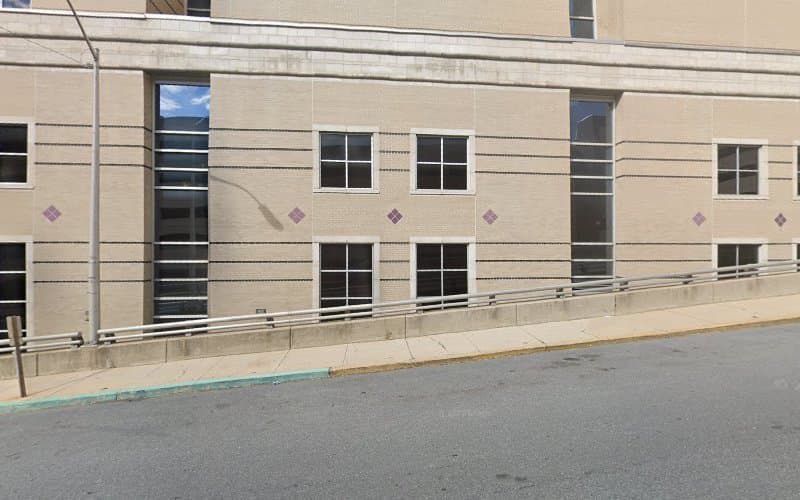
Berks County Building Superintendent
Berks County Building Superintendent in Reading, PA, manages local government building operations, ensuring efficiency and compliance for the community.
About Berks County Building Superintendent
Overview
The Berks County Building Superintendent serves as the regulatory authority responsible for overseeing construction activities and ensuring building code compliance throughout Berks County, Pennsylvania. Located at 633 Court Street in Reading, this county government office operates within the Berks County Services Center, providing essential permitting, inspection, and code enforcement services to residents, contractors, and developers across the region.
Role and Function
As a county government office, the Building Superintendent functions as the primary administrative body for construction regulation in Berks County. The office enforces the Pennsylvania Uniform Construction Code, which establishes minimum standards for building design, construction, and safety across the Commonwealth. This regulatory framework covers structural integrity, fire safety, accessibility requirements, energy efficiency, and mechanical systems in both residential and commercial construction projects.
The Building Superintendent's office serves municipalities within Berks County that have opted to utilize county-level building code enforcement rather than maintaining their own local code enforcement departments. This arrangement provides smaller municipalities with access to professional code administration services without the expense of maintaining dedicated staff and resources. The office coordinates with local governments, state agencies, and the construction industry to ensure that building activities meet established safety standards.
Services Provided
The office administers a range of services essential to the construction process in Berks County. These services form the regulatory pathway that property owners and contractors must navigate when undertaking building projects.
- Building permit applications and processing for new construction, additions, and alterations
- Plan review and approval for construction documents
- Structural, electrical, plumbing, and mechanical inspections
- Certificate of occupancy issuance upon project completion
- Code interpretation and technical assistance
- Enforcement actions for code violations
- Coordination with other county departments and state agencies
The permitting process typically begins with the submission of construction documents and permit applications. Staff members review these submissions for compliance with applicable codes before permits are issued. During construction, inspectors visit project sites at various stages to verify that work meets code requirements. Upon successful completion of all required inspections, the office issues certificates of occupancy that authorize the use of newly constructed or renovated spaces.
Pennsylvania Uniform Construction Code
The regulatory framework administered by the Building Superintendent derives from Pennsylvania Act 45 of 1999, which established the Uniform Construction Code as the mandatory building code for the entire Commonwealth. This legislation standardized construction requirements across Pennsylvania, replacing the previous patchwork of local codes that varied from municipality to municipality.
The UCC incorporates the International Code Council's family of model codes, including the International Building Code, International Residential Code, International Mechanical Code, International Plumbing Code, International Energy Conservation Code, and International Fuel Gas Code. These codes are updated periodically, and Pennsylvania adopts new editions through regulatory processes overseen by the Department of Labor and Industry.
Under this system, the Berks County Building Superintendent operates as a certified code administrator, with staff members holding various certifications required by state law. Inspectors must demonstrate competency in their respective areas of specialization, whether structural, electrical, mechanical, plumbing, or accessibility compliance.
Location and Accessibility
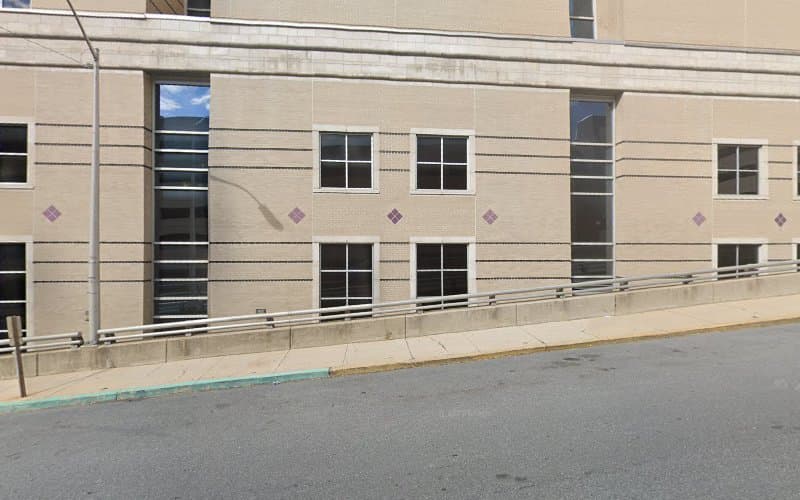
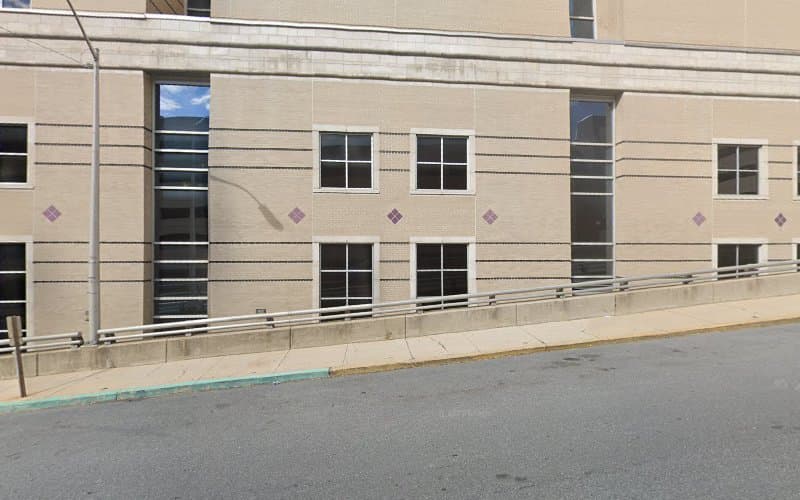
The office occupies Suite 16 at 633 Court Street in downtown Reading, situated within the Berks County Services Center. This central location places the office near the Berks County Courthouse and other government facilities, creating a convenient hub for residents who may need to conduct business with multiple county departments.
The facility provides wheelchair accessible entrances and parking, ensuring that individuals with mobility limitations can access services without barriers. This accessibility compliance reflects both federal Americans with Disabilities Act requirements and the office's own mission of enforcing accessibility standards in construction projects throughout the county.
Reading serves as the county seat of Berks County and functions as the commercial and governmental center of the region. The Court Street location offers proximity to major transportation routes, including US Route 422 and various state highways that connect Reading to surrounding communities.
Berks County Context
Berks County encompasses approximately 866 square miles in southeastern Pennsylvania, with a population exceeding 420,000 residents. The county includes the city of Reading along with numerous boroughs and townships ranging from densely developed urban areas to rural agricultural communities. This diversity creates varied demands on building code enforcement services, from urban infill development and historic building renovations in Reading to new residential subdivisions and agricultural structures in outlying areas.
The region's building stock reflects its industrial heritage, with many structures dating to the nineteenth and early twentieth centuries when Reading served as a major manufacturing center. The Building Superintendent's office frequently addresses issues related to renovating and repurposing these older buildings while ensuring compliance with modern safety standards.
Working with the Office
Property owners and contractors seeking permits typically begin by contacting the office to determine specific requirements for their proposed projects. Different types of construction activities require different permits and inspection sequences. Simple projects like residential deck construction involve straightforward permitting processes, while complex commercial developments require extensive plan review and multiple inspection phases.
The office can be reached by telephone at 610-478-6201 during regular business hours. Callers can obtain information about permit requirements, application procedures, inspection scheduling, and code interpretations. Many routine inquiries can be addressed over the phone, though more complex matters may require in-person visits or formal written submissions.
Applicants should prepare construction documents that clearly convey the scope and details of proposed work. For residential projects, this typically includes site plans, floor plans, and construction specifications. Commercial projects require more comprehensive documentation, often prepared by licensed architects and engineers. The completeness and accuracy of submitted documents directly affects the speed of permit processing.
Inspection Process
Construction inspections represent a critical function of the Building Superintendent's office. Inspectors visit construction sites at designated stages to verify that work complies with approved plans and applicable codes. Common inspection points include foundation work, framing, rough electrical and plumbing installations, insulation, and final completion.
Contractors must request inspections at appropriate stages of construction and cannot proceed to subsequent phases until inspectors approve completed work. This sequential inspection process helps identify problems early, before they become concealed behind finished surfaces. When inspectors identify code violations, they document the issues and require corrections before approving the work.
The inspection process concludes with a final inspection that verifies overall project completion and code compliance. Successful completion of all required inspections results in the issuance of a certificate of occupancy, which legally authorizes the use of the building or space for its intended purpose.
Code Enforcement
Beyond permitting and inspection services for new construction, the Building Superintendent's office also addresses code enforcement matters involving existing buildings. This may include investigating complaints about unsafe conditions, unpermitted construction, or other code violations. The office has authority to issue violation notices and pursue enforcement actions to achieve compliance.
Property owners who undertake construction work without required permits may face enforcement actions, including orders to stop work, requirements to obtain after-the-fact permits, and potential penalties. The permitting process exists to protect public safety, and circumventing these requirements can result in serious consequences for property owners.
Unique Details About Berks County Building Superintendent
Accessibility
- Wheelchair accessible entrance
- Wheelchair accessible parking lot
Contact Information for Berks County Building Superintendent
Customer Reviews
No reviews yet.
Working Hours / Hours of Operation
Location Map
Similar Government Offices (Local/County) Near Reading, PA
BerksConnect: everything local in Berks County, PA.
8,700+ local businesses with AI-summarized reviews, plus local guides, jobs, and what's happening around the county.