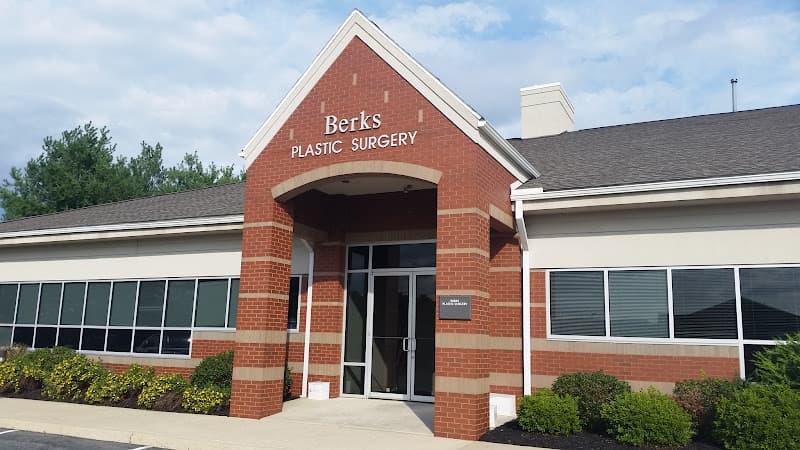
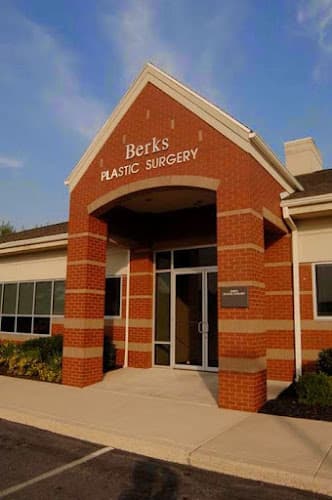
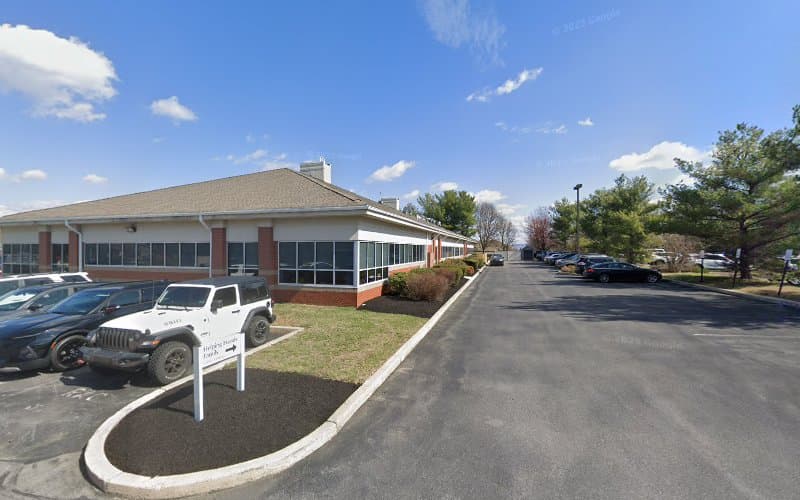
Berks Plastic Surgery is a plastic surgery and medical aesthetics practice located at 50 Commerce Dr in Wyomissing, Pennsylvania, just west of Reading in Berks County. The practice combines board-certified surgical care with a nonsurgical cosmetic and skin care program, meaning patients can pursue anything from injectable treatments and chemical peels to breast surgery, body contouring, and reconstructive procedures within a single office. The phone number for the practice is +1 610-320-0200.
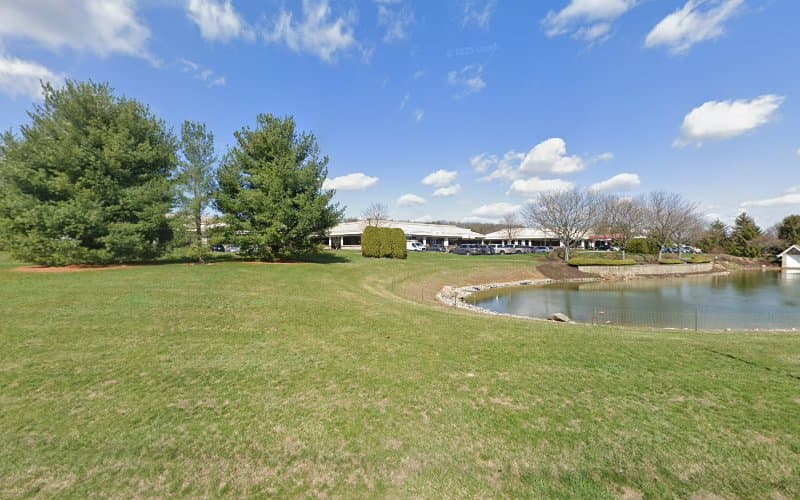
The office sits in a commercial area near the Broadcasting Square and Berkshire Mall corridor, which places it within a short drive of Reading, Sinking Spring, Shillington, West Lawn, Spring Township, and the surrounding boroughs. Patients also travel from elsewhere in Berks County and from neighboring Lancaster, Lebanon, Montgomery, and Chester counties, since practices offering this breadth of surgical and aesthetic services are not common outside larger metropolitan areas.
Surgical Services
The surgical side of the practice covers the three broad categories that define modern plastic surgery: the breast, the body, and the face. Breast procedures include augmentation with implants, implant exchange and revision surgery, breast lift, reduction, and reconstruction following mastectomy. Implant selection receives particular attention during the planning process, with coordinators and surgeons working through dimensions, profile, and the final look a patient is hoping to achieve rather than simply quoting a volume figure.
Body procedures include abdominoplasty, commonly known as a tummy tuck, which addresses both excess skin and separated abdominal muscles after pregnancy or significant weight change. Liposuction and body contouring, arm and thigh procedures, and combination post-pregnancy surgeries are also part of the practice's work. Facial surgery includes eyelid surgery, facelift and neck procedures, rhinoplasty, and ear surgery. Reconstructive work, including skin cancer reconstruction and revision of previous surgeries performed elsewhere, forms another part of the caseload.
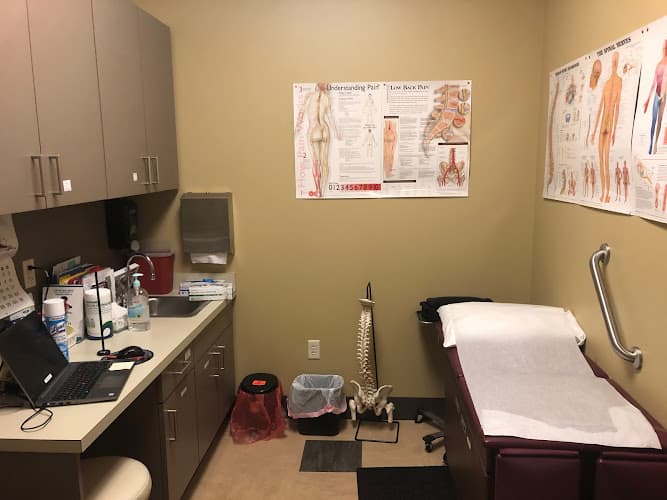
Consultations typically begin with a discussion of goals, medical history, and candidacy. The practice is known for direct conversation during this stage, including telling patients when a procedure is not the right fit or when a less invasive approach would serve them better. That honesty extends to timing, recovery expectations, and what a given operation can and cannot accomplish.
Nonsurgical and Skin Care Treatments
A substantial portion of the practice's activity involves treatments that require no operating room at all. Microneedling, which uses fine needles to create controlled micro-injuries that stimulate collagen production, is used for fine lines, texture, acne scarring, and overall skin tone. Chemical peels, including the VI Peel line, are used for pigmentation concerns such as melasma, sun damage, and uneven tone. These treatments are often performed in a series, with patients returning for maintenance appointments.
Injectable treatments are also part of the menu, including neuromodulators for expression lines and dermal fillers for volume loss in the midface, lips, and around the mouth. Laser and light-based treatments, medical-grade skin care products, and ongoing maintenance facials round out the aesthetic program. The skin care team evaluates patients individually, since conditions such as melasma respond differently depending on skin type, sun exposure, hormonal factors, and what products a patient is already using at home.
For many patients, the nonsurgical side serves as an entry point. Someone who comes in for a peel may later consult about surgery, and surgical patients frequently continue with skin care afterward. Having both under one roof allows for coordinated planning, such as timing skin treatments around a surgical date or using topical preparation before a procedure.
The Care Team
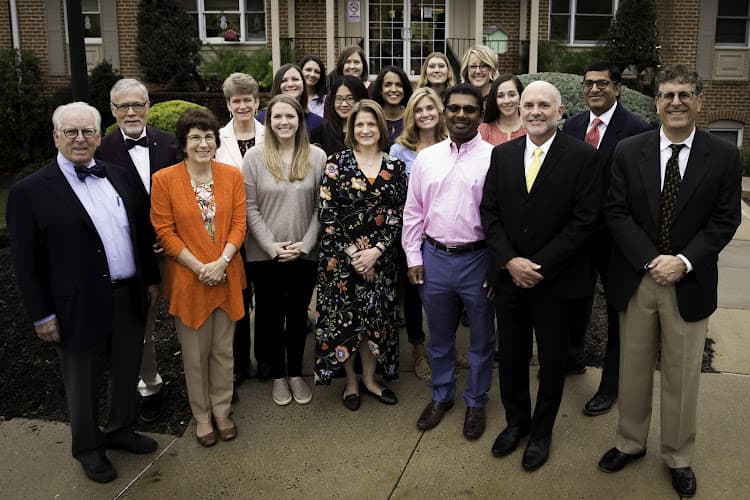
The practice is staffed by board-certified plastic surgeons supported by surgical coordinators, nurses, certified aestheticians, and administrative staff. Surgical coordinators handle much of the logistical work between the consultation and the operating room: explaining preoperative instructions, coordinating medical clearance, answering questions about medications and recovery supplies, and serving as a consistent point of contact. Patients often work with the same coordinator throughout the process, which gives them a familiar voice to call when a question arises at an inconvenient hour.
Postoperative follow-up is a defined part of the practice's routine rather than an afterthought. Patients receive written instructions covering activity restrictions, wound care, drain management when applicable, and medication schedules, along with scheduled follow-up visits to monitor healing. The surgeons are known for personally checking in with patients after surgery.
Visiting the Office
Appointments are required, and scheduling in advance is recommended for both surgical consultations and aesthetic treatments. Consultation availability for surgery can fill in advance, so patients considering a procedure are generally advised to call well ahead of any target date, particularly if they are planning around a wedding, a vacation, or a stretch of time off work. The phone line is the most direct way to begin the process.
The facility is accessible, with a wheelchair accessible entrance, a wheelchair accessible restroom, and wheelchair accessible parking. Restrooms are available on site. Parking is located at the Commerce Drive building, and the location is reachable from the Route 422 corridor and Paper Mill Road without navigating downtown traffic.
Practical Information for Prospective Patients
- Bring a list of current medications, supplements, and known allergies to the initial consultation, since several common supplements affect bleeding and must be stopped before surgery.
- Patients who have had prior surgery elsewhere should bring or request their operative records, which help the surgeon assess implant type, incision placement, and previous findings.
- Reconstructive procedures and some functional operations, such as breast reduction for documented symptoms, may be covered by insurance; cosmetic procedures generally are not. The office can explain how a specific case is typically handled.
- Surgical recovery usually requires arranging a driver and, for larger procedures, help at home for the first several days.
- Skin treatments such as peels and microneedling involve short periods of redness or peeling, so scheduling around social or work commitments is worth considering.
- Photographs are typically taken at consultation and at follow-up visits to track results objectively.
Role in the Area
Berks Plastic Surgery functions as a regional resource for both cosmetic and reconstructive care, serving patients who might otherwise travel to Philadelphia or Allentown for comparable services. The combination of surgical capability, an established medical aesthetics program, and long-term follow-up care has made the Wyomissing office a recognized destination for Berks County residents considering either a single treatment or a longer-term plan. Questions about procedures, scheduling, or candidacy can be directed to the office at +1 610-320-0200.