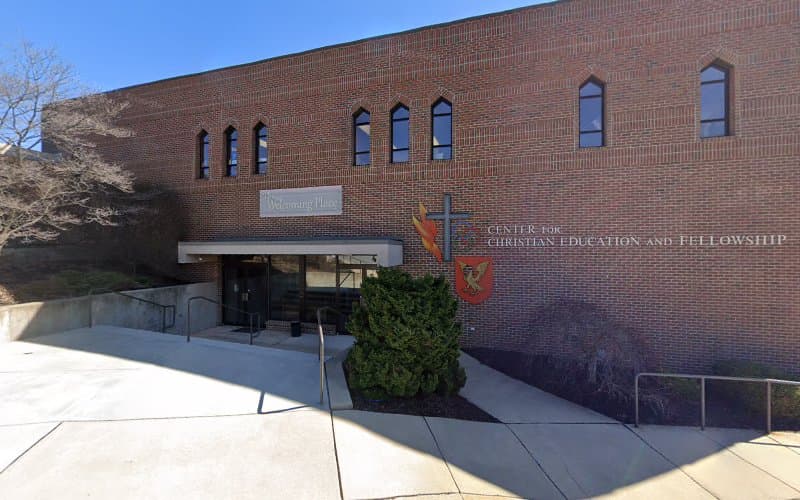
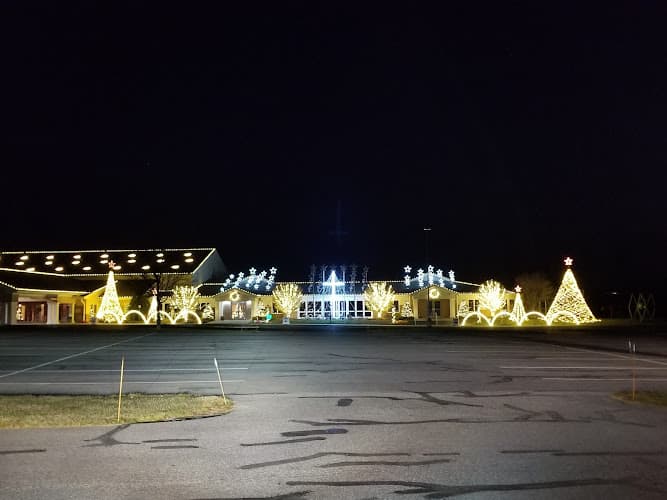
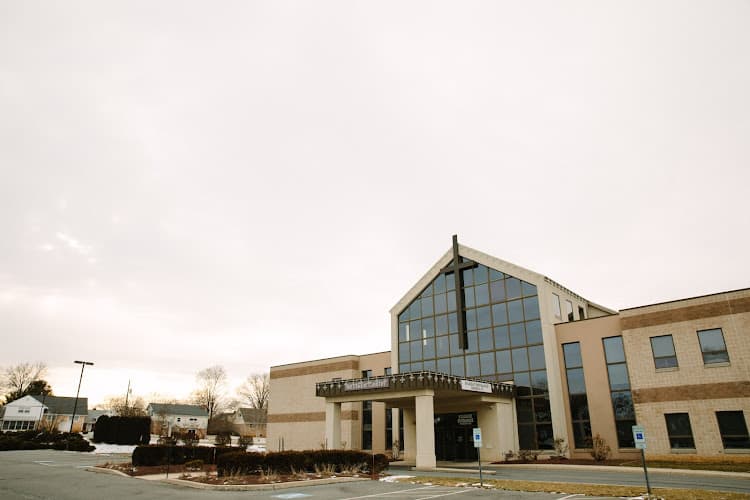
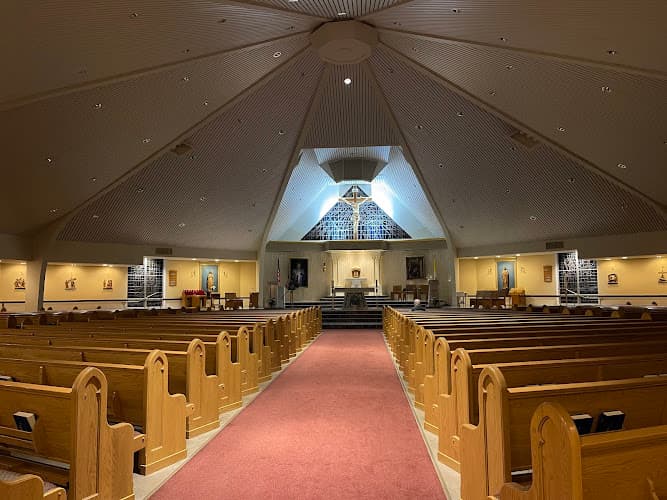
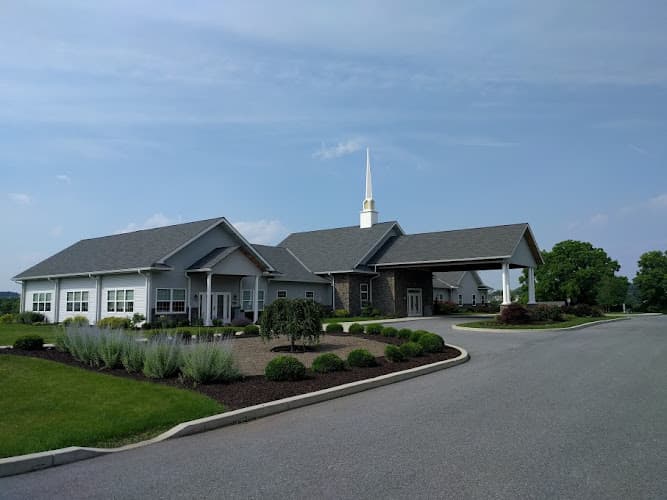
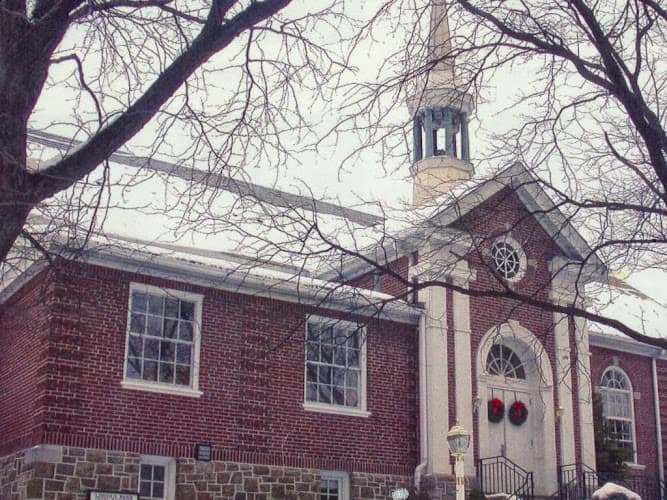
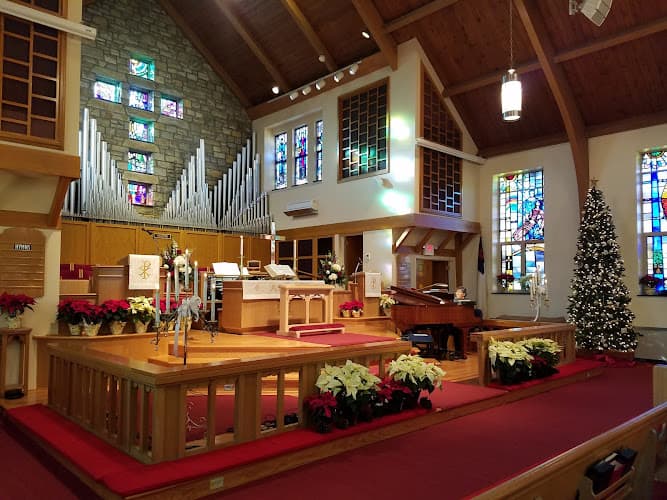
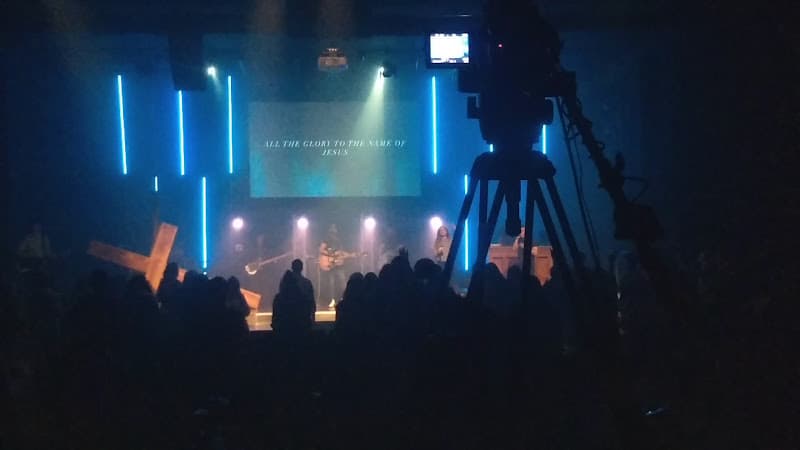
Center For Christian Education And Fellowship is a religious institution located on Summit Boulevard in Sinking Spring, Pennsylvania. Situated in Berks County, this church serves the spiritual and educational needs of the local community in the greater Reading metropolitan area. The organization combines traditional worship functions with an emphasis on Christian education, reflecting its dual mission suggested by its formal name.
Location and Setting
The church is positioned in Sinking Spring, a borough in Berks County with a population of approximately 4,000 residents. The Summit Boulevard location places the facility within easy reach of surrounding communities including West Lawn, Wyomissing, and Shillington. The broader Reading area, with its diverse population and numerous established neighborhoods, provides the church with a substantial regional community from which to draw congregants and participants in its educational programs.
Sinking Spring itself derives its name from a limestone spring that historically appeared to sink into the ground, a geological feature common to the region's karst topography. The borough maintains a small-town character while benefiting from proximity to the commercial and cultural amenities of the greater Reading area. Churches have historically played significant roles in such Pennsylvania communities, serving as gathering places for worship, education, and social connection across generations.
Facilities and Accessibility
The Center For Christian Education And Fellowship maintains facilities designed to accommodate visitors with mobility considerations. The property includes a wheelchair accessible entrance, allowing individuals who use wheelchairs or other mobility devices to enter the building without encountering barriers. Additionally, the parking lot features designated wheelchair accessible parking spaces, positioned to provide convenient access to the building entrance.
These accessibility features reflect broader trends in religious facility design and renovation that have accelerated since the passage of the Americans with Disabilities Act in 1990. Many churches have undertaken modifications to their properties to ensure that all community members can participate fully in worship services and educational programs regardless of physical ability. The presence of both accessible parking and entrance facilities indicates attention to creating an inclusive environment for congregants and visitors of varying mobility levels.
Christian Education Mission
The inclusion of "Christian Education" in the organization's name suggests a significant emphasis on religious instruction and faith formation as core components of the church's mission. Christian education programs at churches typically encompass a range of activities designed to deepen understanding of scripture, theology, and the practical application of faith principles to daily life.
Such educational programs commonly include Sunday school classes organized by age group, from young children through adults. These classes often follow established curricula that progress through biblical narratives, key theological concepts, and ethical teachings over the course of months or years. Many churches also offer confirmation classes for adolescents, preparing young people to make personal commitments to their faith tradition.
Adult education in church settings frequently takes the form of Bible study groups, book discussion circles, and topical classes addressing subjects such as church history, comparative religion, marriage and family life from a faith perspective, and the integration of spiritual practice with contemporary challenges. Some churches also offer classes specifically designed for newcomers to the faith or those returning to religious practice after periods of absence.
Vacation Bible School programs, typically held during summer months, represent another common educational offering at churches emphasizing Christian education. These intensive programs combine religious instruction with recreational activities, crafts, music, and fellowship, providing children with immersive faith experiences outside the regular school year.
Fellowship and Community
The term "Fellowship" in the church's name indicates an organizational emphasis on community building and interpersonal connection among members. In Christian contexts, fellowship refers to the bonds of mutual support, encouragement, and shared purpose that develop among believers who gather regularly for worship and service.
Fellowship activities at churches typically extend beyond formal worship services to include shared meals, social gatherings, service projects, and small group meetings. Many congregations organize regular potluck dinners, holiday celebrations, and seasonal events that bring members together in informal settings. These gatherings serve important social functions, particularly for individuals who may lack strong family connections or who have recently relocated to a new area.
Small group ministries represent another common expression of fellowship in church settings. These groups, sometimes called cell groups or home groups, typically meet in members' homes on weekday evenings for prayer, discussion, and mutual support. The intimate setting of small groups often facilitates deeper relationships than can develop in larger Sunday gatherings alone.
Service projects undertaken collectively by church members also foster fellowship while addressing community needs. Such projects might include food drives, clothing collections, home repair assistance for elderly or disabled neighbors, and participation in broader charitable initiatives. Working together on such projects often strengthens bonds among participants while expressing faith through practical action.
Regional Religious Context
Berks County has a rich religious history shaped by the various immigrant communities that settled the region over several centuries. German settlers, including members of Lutheran, Reformed, and Anabaptist traditions, established many of the area's earliest congregations in the eighteenth century. Subsequent waves of immigration brought Catholics, Jews, and members of other faith traditions to the region.
Today, the greater Reading area contains churches representing numerous Christian denominations alongside synagogues, mosques, and other religious institutions. This diversity reflects both historical patterns of settlement and more recent demographic changes in the region. Churches in such contexts often develop distinctive identities that reflect their particular theological traditions while also responding to the specific needs and characteristics of their local communities.
The presence of multiple educational institutions in the region, including Albright College in Reading and numerous public and private schools, creates an environment in which educational programming by churches may complement and extend the academic experiences available to community members. Some churches develop partnerships with local schools or colleges, while others focus on providing educational experiences distinct from secular academic settings.
Practical Information for Visitors
Individuals interested in visiting the Center For Christian Education And Fellowship can locate the facility on Summit Boulevard in Sinking Spring. The wheelchair accessible parking and entrance make the facility navigable for visitors with mobility limitations. As with most churches, visitors can typically expect welcoming treatment from regular congregants, though specific customs regarding greeting visitors, seating arrangements, and participation in worship elements may vary.
Those unfamiliar with the particular traditions observed at this church may wish to arrive a few minutes early for services or programs, allowing time to orient themselves to the facility and receive any guidance offered by greeters or ushers. Many churches provide printed bulletins or programs that outline the order of service and provide helpful information for newcomers.
The combination of educational programming and fellowship emphasis suggested by the organization's name indicates a church that values both intellectual engagement with faith and relational connection among members. This dual focus may appeal particularly to individuals seeking a religious community that nurtures both understanding and belonging.