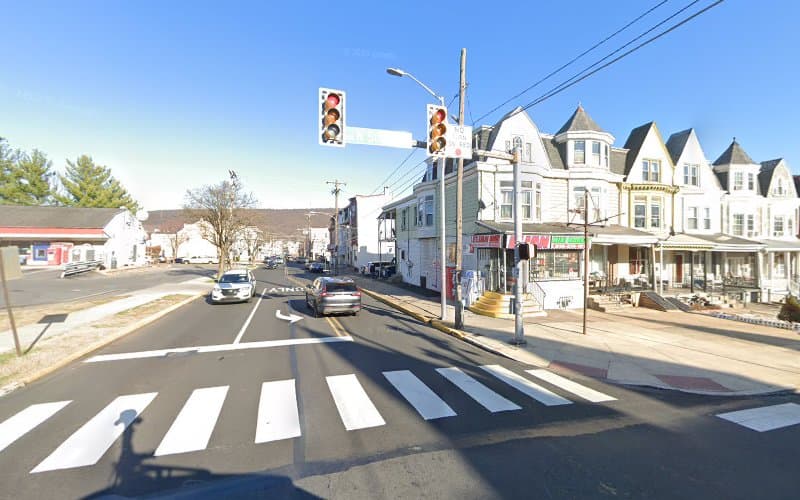
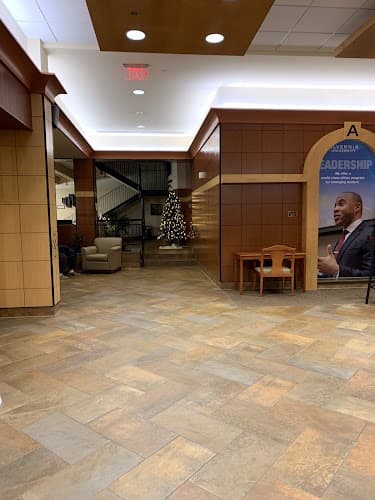
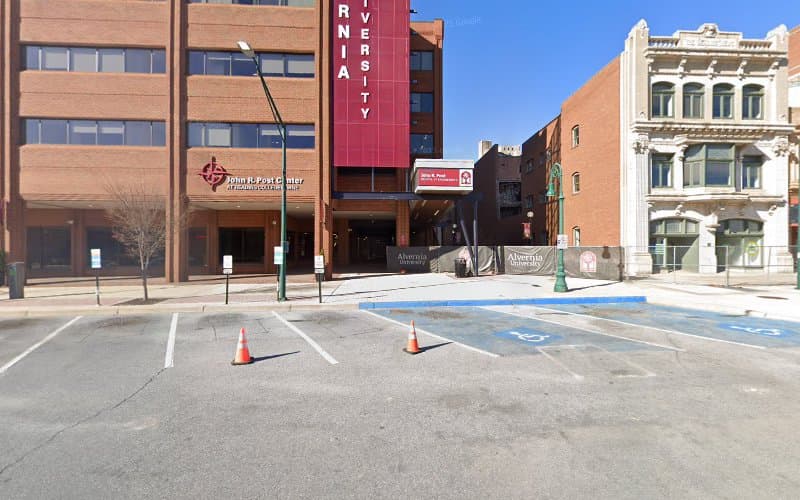
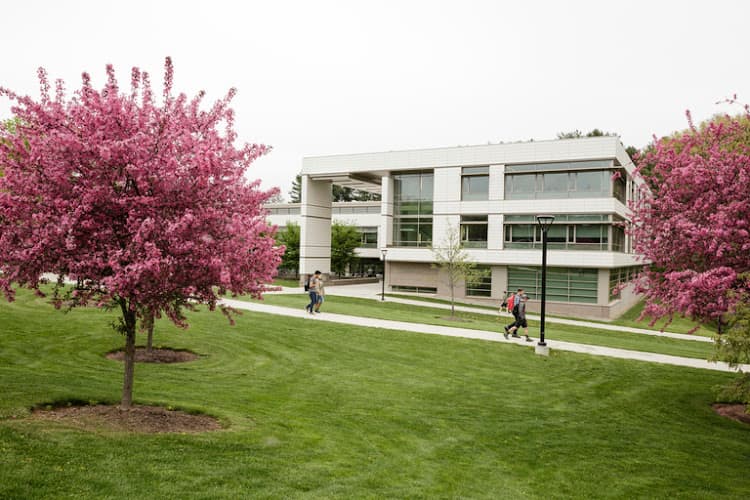
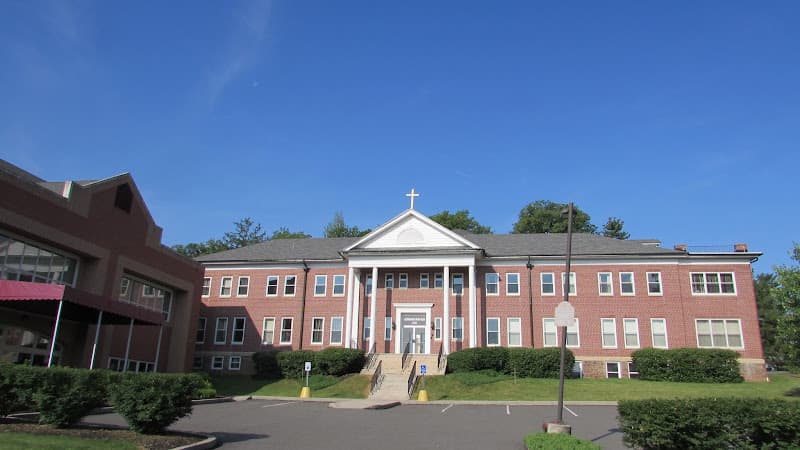
Collegetown Alvernia represents an educational initiative operated by Alvernia University, located at the intersection of North 5th Street and Spring Street in Reading, Pennsylvania. This facility serves as an urban extension of the main Alvernia University campus, bringing higher education resources directly into the heart of Reading's downtown district. The location reflects a broader trend among universities to establish satellite facilities in urban centers, making educational opportunities more accessible to working adults, commuters, and community members who may face barriers to accessing traditional campus settings.
Alvernia University Background
Alvernia University, the parent institution of Collegetown Alvernia, is a private Franciscan Catholic university founded in 1958 by the Bernardine Sisters of St. Francis. The university takes its name from Mount La Verna in Italy, where St. Francis of Assisi is said to have received the stigmata. Throughout its history, Alvernia has maintained its connection to Franciscan values, emphasizing service, humility, peacemaking, contemplation, and collegiality as core principles guiding its educational mission.
The main Alvernia University campus is situated approximately four miles from the Collegetown location, in a more suburban setting. The establishment of the Collegetown facility represents the university's effort to extend its reach into Reading's urban core, serving populations that might not otherwise have convenient access to higher education resources.
Location and Setting
The Collegetown Alvernia facility occupies a position in downtown Reading, a city of approximately 95,000 residents that serves as the county seat of Berks County, Pennsylvania. Reading has a rich industrial history, having been a significant manufacturing center during the 19th and 20th centuries, particularly known for railroad operations and textile production. In recent decades, the city has undergone economic transitions common to many post-industrial American cities, with educational institutions playing an increasingly important role in workforce development and community revitalization efforts.
The intersection of North 5th Street and Spring Street places Collegetown Alvernia within walking distance of numerous downtown amenities, public transportation routes, and community resources. This central location makes the facility accessible to residents from various Reading neighborhoods, as well as to individuals working in the downtown business district who may wish to pursue educational opportunities before or after work hours.
Educational Mission and Programs
Collegetown initiatives like this one typically serve multiple educational functions within their communities. Urban satellite campuses operated by universities generally offer a combination of degree programs, continuing education courses, professional development opportunities, and community engagement activities. These facilities often cater to non-traditional students, including working adults returning to complete degrees, professionals seeking additional credentials or certifications, and community members exploring educational options.
Alvernia University as an institution offers undergraduate and graduate programs across various disciplines, including business, education, healthcare, criminal justice, and the liberal arts. The university has historically emphasized programs that prepare students for careers in service-oriented fields, consistent with its Franciscan heritage. Specific program offerings at the Collegetown location may vary and are designed to meet the particular needs of the Reading community.
Community Engagement and Urban Education
The presence of a university facility in an urban downtown area typically generates various forms of community interaction beyond traditional classroom instruction. Universities with urban outreach programs often partner with local organizations, businesses, and government agencies to address community needs through research, service learning, and collaborative programming. These partnerships can take many forms, from internship placements for students to community health initiatives to economic development projects.
Reading, like many mid-sized American cities, has experienced both challenges and opportunities related to economic development, workforce preparation, and community revitalization. Educational institutions that establish urban presences often do so with explicit goals of contributing to these broader community objectives, recognizing that the health of the institution and the health of the surrounding community are interconnected.
Accessibility and Student Services
Urban satellite campuses are typically designed with accessibility in mind, recognizing that their student populations often have different needs than traditional residential college students. Many students at such facilities balance educational pursuits with work responsibilities, family obligations, and other commitments. As a result, these locations frequently offer flexible scheduling options, including evening and weekend classes, accelerated program formats, and hybrid learning opportunities that combine in-person and online instruction.
Support services at urban educational facilities may include academic advising, career counseling, tutoring, and connections to financial aid resources. The goal is generally to remove barriers that might prevent motivated individuals from pursuing and completing their educational goals.
The Role of Private Universities in Urban Education
Private universities like Alvernia play a distinctive role in the American higher education landscape. While public institutions often serve as primary providers of accessible higher education, private universities contribute additional capacity and frequently offer specialized programs, smaller class sizes, and particular institutional cultures that appeal to certain student populations. Catholic universities, in particular, often emphasize values-based education and community service as integral components of the educational experience.
The decision by a private university to establish an urban satellite location represents a significant institutional commitment, requiring investment in facilities, staffing, and program development. Such decisions typically reflect both mission-driven motivations and strategic assessments of community need and institutional capacity.
Practical Information for Prospective Students
Individuals interested in learning more about educational opportunities at Collegetown Alvernia should contact Alvernia University directly for current information about program offerings, admission requirements, tuition and financial aid, and class schedules. Educational institutions regularly update their program offerings in response to student demand, workforce needs, and institutional priorities, so direct inquiry is the best way to obtain accurate and current information.
The facility's downtown Reading location makes it accessible via multiple transportation options, including public transit routes that serve the Reading area. Prospective students should inquire about parking availability and other logistical considerations when planning campus visits or enrollment.
Contribution to Regional Education
Berks County and the greater Reading area are served by multiple educational institutions, including community colleges, vocational training programs, and other universities. Collegetown Alvernia represents one component of this broader educational ecosystem, offering particular programs and approaches that complement other available options. The presence of multiple educational providers gives area residents choices in how they pursue their educational and career development goals.
For the Reading community, having a university presence in the downtown area provides both practical benefits in terms of educational access and symbolic value in terms of the community's identity and aspirations. Educational institutions often serve as anchors for urban neighborhoods, contributing to foot traffic, economic activity, and the overall vitality of downtown districts.