Coventry Springs Farm
Coventry Springs Farm is a local farm known for producing fresh, high-quality agricultural products.
About Coventry Springs Farm
Overview
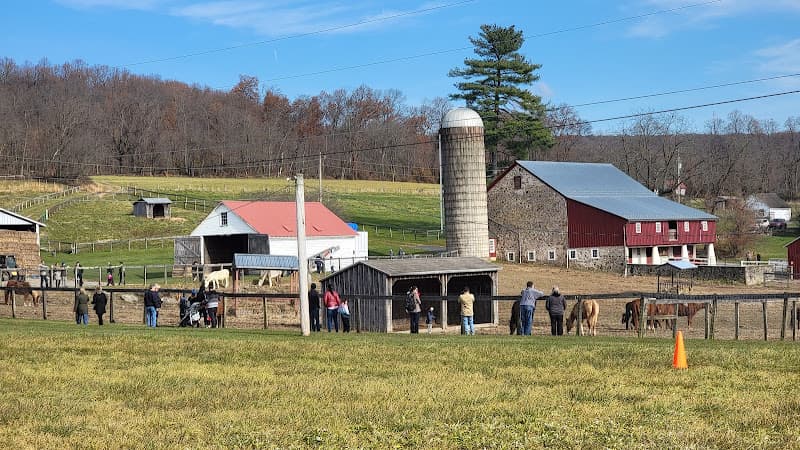
Coventry Springs Farm operates as an agricultural establishment in Pottstown, Pennsylvania, situated along North Evans Street in Montgomery County. The farm represents one of the working agricultural properties in the greater Pottstown area, a region that has maintained connections to farming despite significant suburban development throughout southeastern Pennsylvania over recent decades.
Location and Geographic Context
The farm's address at 326 North Evans Street places it within the Pottstown borough limits, though the property exists in an area where agricultural land use has historically been present. Pottstown itself sits at the confluence of the Schuylkill River and Manatawny Creek, approximately 40 miles northwest of Philadelphia. The surrounding region encompasses portions of Montgomery, Chester, and Berks counties, an area that has long balanced industrial heritage with agricultural traditions.
The Coventry name carries historical significance in this part of Pennsylvania. Coventry Township in Chester County lies nearby, and the name traces back to early English settlers who established communities throughout this region during the colonial period. The township and surrounding areas have maintained agricultural operations for over three centuries, with farms of various sizes continuing to operate despite development pressures that have transformed much of southeastern Pennsylvania.
Agricultural Heritage of the Region
The Pottstown area and its surrounding townships occupy land that has supported farming since European settlement began in the late 17th and early 18th centuries. The fertile soils of the region, combined with adequate rainfall and a moderate climate, made this territory attractive to early farmers who cultivated crops and raised livestock. German immigrants, in particular, brought sophisticated farming techniques to southeastern Pennsylvania, establishing the agricultural traditions that would define the region for generations.
Throughout the 19th and 20th centuries, farms in the Pottstown vicinity produced a variety of agricultural products. Dairy farming became particularly prominent, with numerous family operations supplying milk to local creameries and eventually to larger distribution networks serving Philadelphia and other urban markets. Crop production included corn, wheat, hay, and various vegetables, while orchards produced apples and other fruits suited to the regional climate.
The latter half of the 20th century brought significant changes to agriculture in Montgomery County. Suburban expansion consumed thousands of acres of former farmland, and economic pressures made traditional farming increasingly difficult. Many family farms either sold their land for development or shifted their operations to accommodate changing market conditions. Those farms that remained often adapted by diversifying their offerings, exploring direct-to-consumer sales, or finding niche markets that could support smaller-scale agricultural operations.
Farm Operations
Farms in the contemporary Pottstown area typically engage in a range of agricultural activities depending on their size, resources, and market focus. While specific operational details for Coventry Springs Farm require direct inquiry, farms in this region commonly participate in several types of agricultural production and related activities.
Livestock operations remain viable for many local farms, with cattle, horses, sheep, goats, and poultry representing common choices. Some properties focus on breeding and raising animals, while others maintain livestock as part of diversified operations that combine animal husbandry with crop production or other agricultural pursuits.
Crop cultivation continues on farms throughout the region, with operations ranging from traditional field crops to specialty produce. Many contemporary farms have found success with vegetables, herbs, and other products sold directly to consumers through farm stands, farmers markets, or community-supported agriculture programs. The proximity to Philadelphia and its suburbs provides access to substantial consumer markets interested in locally produced food.
Equestrian activities represent another significant aspect of agriculture in southeastern Pennsylvania. The region has a long history of horse breeding, training, and recreational riding. Numerous properties maintain facilities for boarding horses, offering riding lessons, or supporting competitive equestrian pursuits. The rolling terrain and rural character of areas surrounding Pottstown make them suitable for these activities.
The Role of Small Farms in Contemporary Agriculture
Agricultural operations like those found in the Pottstown area play multiple roles in their communities beyond simple food or livestock production. Working farms contribute to the preservation of open space, maintaining the rural character that distinguishes certain areas from fully developed suburban landscapes. This preservation carries both aesthetic and ecological value, supporting wildlife habitat and maintaining agricultural land that might otherwise be permanently converted to other uses.
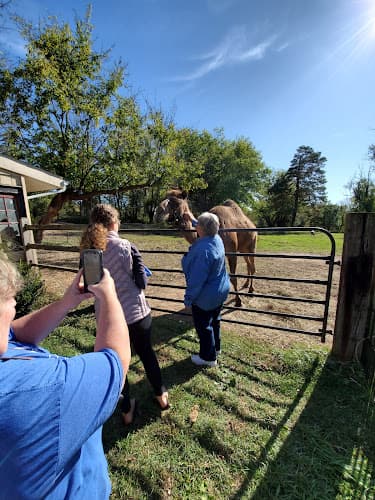
Farms also serve educational functions, introducing children and adults to agricultural processes and the origins of food products. Many operations welcome visitors for tours, seasonal activities, or educational programs that connect people with farming traditions. These interactions help maintain public awareness of agriculture and its importance, even as fewer people have direct experience with farming.
Economic contributions from farms extend beyond the direct value of their products. Agricultural operations support related businesses including feed suppliers, equipment dealers, veterinarians, and various service providers. Farms that sell directly to consumers bring customers into rural areas, potentially benefiting other local businesses as well.
Seasonal Considerations
Agricultural operations in southeastern Pennsylvania follow seasonal patterns dictated by climate and growing conditions. Spring brings planting activities and the birth of livestock, while summer represents the primary growing season for most crops. Fall harvest activities often coincide with increased public interest in farm visits, with many operations hosting seasonal events or offering products tied to autumn traditions. Winter typically involves reduced public activity but continued work maintaining livestock, equipment, and facilities.
Farms that engage with the public often structure their activities around these seasonal rhythms, offering different experiences or products throughout the year. This seasonal variation reflects the fundamental connection between agriculture and natural cycles that has characterized farming throughout history.
Contact and Visitation
Individuals interested in learning more about Coventry Springs Farm or its operations can reach the property by telephone at 610-326-0439. Direct contact allows potential visitors or customers to inquire about current activities, available products, visiting hours, or other relevant information. As with most agricultural operations, circumstances and offerings may vary by season, making advance contact advisable for anyone planning a visit.
The farm's location in Pottstown provides relatively convenient access from various points throughout southeastern Pennsylvania. Major roadways including Route 422 and Route 100 serve the Pottstown area, connecting it to the broader regional transportation network. Visitors traveling from Philadelphia, Reading, or other nearby cities can typically reach the area within an hour or less depending on specific starting points and traffic conditions.
Supporting Local Agriculture
Farms operating in suburban and semi-rural areas face ongoing challenges including development pressure, rising land costs, and competition from larger agricultural operations in other regions. Consumer support for local farms helps sustain these operations and the benefits they provide to their communities. Whether through direct purchases, participation in farm activities, or simply acknowledging the value of maintaining agricultural land, community engagement plays a role in determining which farms can continue operating.
The presence of working farms in areas like Pottstown reflects both historical continuity and ongoing adaptation to changing circumstances. These operations connect contemporary communities to agricultural traditions while finding ways to remain economically viable in a landscape that has changed dramatically over recent decades. Each farm that continues operating represents a decision to maintain agricultural use of land that could serve other purposes, preserving options for future generations while serving current community needs.
Contact Information for Coventry Springs Farm
Customer Reviews
No reviews yet.
Working Hours / Hours of Operation
Location Map
Similar Farms Near Pottstown, PA
BerksConnect: everything local in Berks County, PA.
8,700+ local businesses with AI-summarized reviews, plus local guides, jobs, and what's happening around the county.