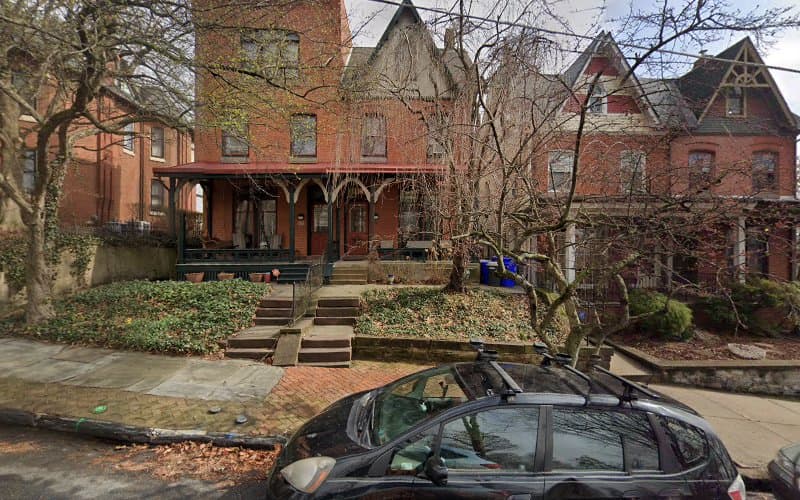
Designworks Architects
Designworks Architects, located in Reading, PA, specializes in innovative architectural solutions tailored to various residential and commercial projects.
About Designworks Architects
Overview
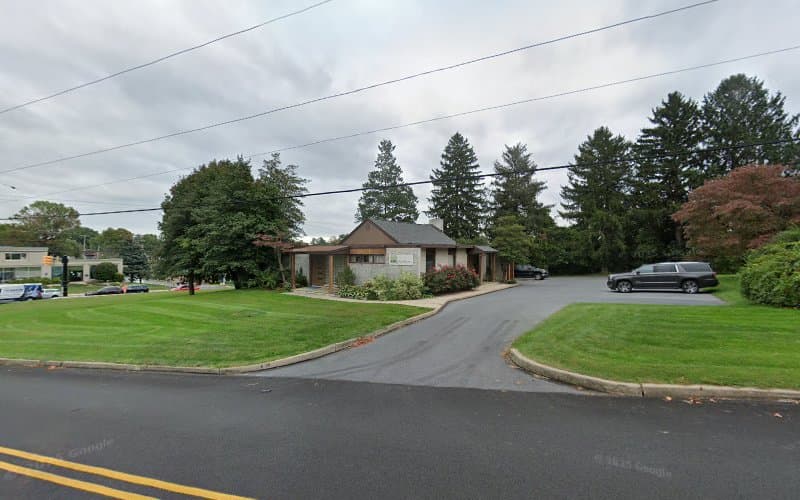
Designworks Architects is a professional architecture firm located in Reading, Pennsylvania. Operating from their office at 1240 Hill Road, the firm provides architectural design services to clients in the Reading metropolitan area and surrounding Berks County region. As a licensed architectural practice, Designworks Architects offers the technical expertise and creative design capabilities required to transform building concepts into constructed reality.
Location and Service Area
The firm maintains its office in Reading, the county seat of Berks County and the fourth-largest city in Pennsylvania. Reading's position approximately 60 miles northwest of Philadelphia places Designworks Architects within reach of both the greater Philadelphia metropolitan region and the more rural communities of southeastern Pennsylvania. The Reading area presents a diverse architectural landscape, featuring everything from historic 19th-century industrial buildings and Victorian-era residences to contemporary commercial developments and suburban housing.
This geographic context provides local architects with opportunities to work across multiple building types and styles. Projects in the region may involve new construction on previously undeveloped land, adaptive reuse of former industrial facilities, additions to existing structures, or renovations that must respect historical character while meeting modern building codes and energy efficiency standards.
The Role of Architectural Services
Architecture firms like Designworks Architects typically provide comprehensive services that span the entire building design and construction process. While specific service offerings vary between firms, the architectural profession generally encompasses several distinct phases of work.
Pre-design services often include site analysis, feasibility studies, and programming. During site analysis, architects evaluate the physical characteristics of a property, including topography, existing vegetation, solar orientation, and access points. Feasibility studies help clients understand whether their project goals can be achieved within their budget and timeline constraints. Programming involves defining the functional requirements of a building, determining how much space is needed for various activities and how different areas should relate to one another.
Schematic design represents the initial creative phase where architects develop preliminary concepts for a project. This stage typically produces floor plans, elevations, and three-dimensional representations that allow clients to visualize the proposed building. Architects work closely with clients during this phase to refine the design direction before moving into more detailed work.
Design development takes approved schematic concepts and adds greater specificity. Architects select materials, determine structural systems, and coordinate with engineering consultants on mechanical, electrical, and plumbing systems. The design becomes increasingly detailed as decisions are made about windows, doors, finishes, and other building components.
Construction documents comprise the technical drawings and specifications that contractors use to build the project. These documents must be sufficiently detailed and precise to obtain building permits and to enable accurate cost estimates from construction firms. Architects bear professional responsibility for ensuring their documents comply with applicable building codes and zoning regulations.
Construction administration involves the architect's role during the building phase. Architects typically visit construction sites to observe progress, respond to contractor questions, review material samples and shop drawings, and help resolve issues that arise during construction. This oversight helps ensure the completed building matches the design intent.
Architectural Practice in Pennsylvania
Architects practicing in Pennsylvania must hold licensure from the Pennsylvania State Architects Licensure Board. This licensure requires completion of a professional degree in architecture, typically a five-year Bachelor of Architecture or a Master of Architecture following an undergraduate degree. Candidates must also complete the Architectural Experience Program, which involves thousands of hours of supervised work experience across various aspects of practice. Finally, candidates must pass the Architect Registration Examination, a multi-division test covering structural systems, building systems, project management, and design.
Pennsylvania architects must also complete continuing education requirements to maintain their licenses, ensuring they stay current with evolving building codes, construction technologies, and professional standards. This regulatory framework provides assurance that licensed architects possess the knowledge and experience necessary to design buildings that are safe, functional, and compliant with applicable regulations.
Building Types and Project Categories
Architectural firms may focus on particular building types or maintain a general practice serving diverse client needs. Common categories of architectural work include residential, commercial, institutional, and industrial projects.
Residential architecture encompasses single-family homes, multi-family housing, and residential additions or renovations. Architects working in this sector help homeowners realize their vision for living spaces while navigating zoning requirements, budget constraints, and construction practicalities. Custom home design allows for highly personalized solutions, while multi-family projects require balancing individual unit design with overall building efficiency.
Commercial architecture includes retail stores, office buildings, restaurants, and other business facilities. These projects often involve tenant improvement work within existing buildings as well as ground-up construction. Commercial clients typically prioritize functionality, brand expression, and return on investment.
Institutional architecture serves organizations such as schools, healthcare facilities, religious institutions, and government agencies. These projects frequently involve complex programming requirements, multiple stakeholder groups, and extended planning horizons. Institutional buildings often remain in use for decades, making durability and adaptability important design considerations.
Industrial architecture addresses manufacturing facilities, warehouses, and distribution centers. While these buildings may emphasize function over aesthetics, architects contribute valuable expertise in workflow optimization, safety, and regulatory compliance.
The Design Process
Architectural design involves balancing multiple factors that sometimes conflict with one another. Clients have programmatic needs and aesthetic preferences. Sites present opportunities and constraints. Budgets impose financial limits. Building codes establish minimum standards for safety and accessibility. Environmental considerations influence material selection and energy performance.
Architects synthesize these various inputs into coherent design solutions. This synthesis requires both technical knowledge and creative problem-solving ability. The most successful architectural outcomes typically result from close collaboration between architects and their clients, with open communication throughout the design process.
Contact Information
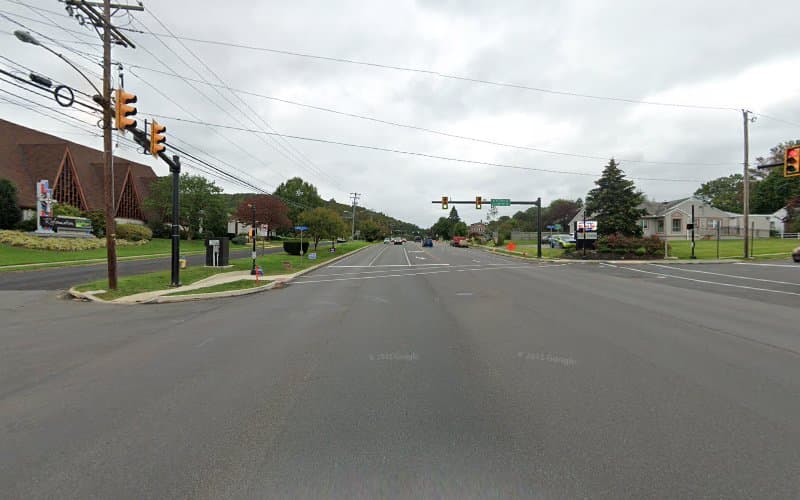
Designworks Architects can be reached by telephone at +1 610-373-1725. The firm's office is located at 1240 Hill Road in Reading, Pennsylvania, within the 19602 postal code. Prospective clients interested in architectural services may contact the firm to discuss their project requirements and learn more about the firm's specific areas of expertise and approach to design.
Contact Information for Designworks Architects
Customer Reviews
No reviews yet.
Working Hours / Hours of Operation
Location Map
Similar Architects Near Reading, PA
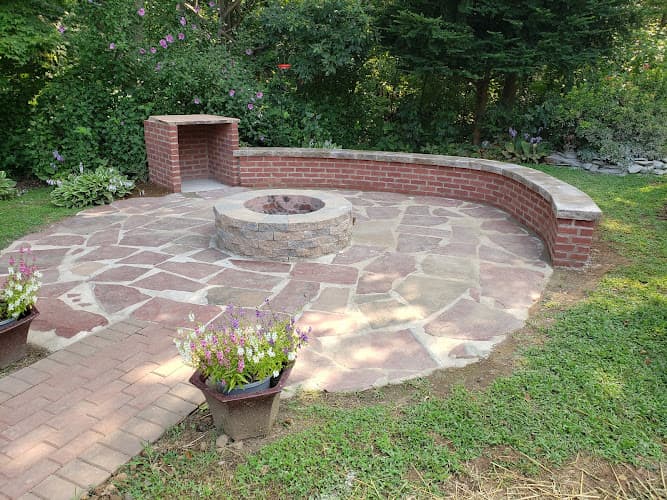
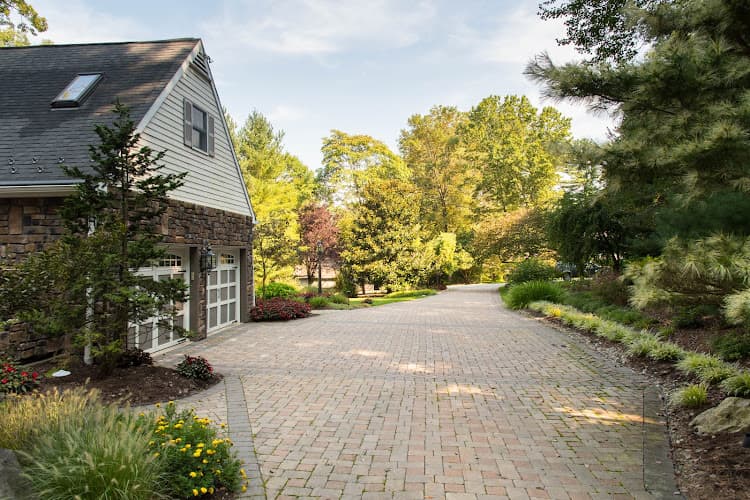

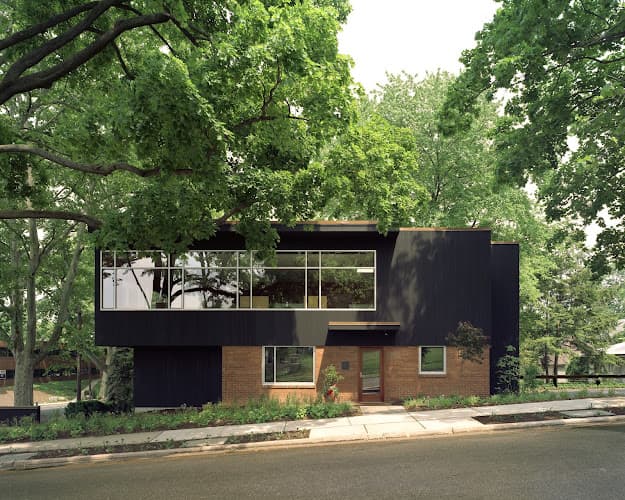
BerksConnect: everything local in Berks County, PA.
8,700+ local businesses with AI-summarized reviews, plus local guides, jobs, and what's happening around the county.