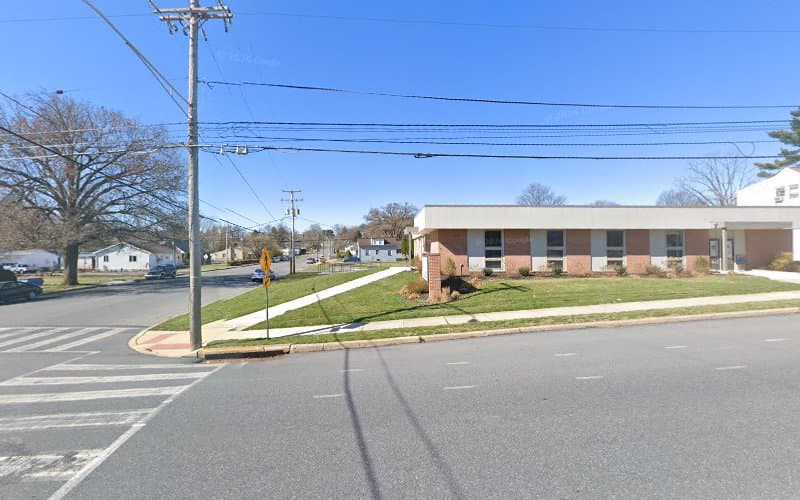
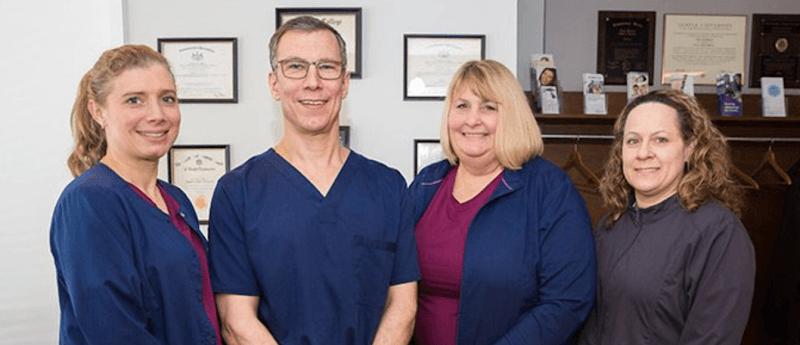
Dr. Eric D. Zehner, DMD operates a general dental practice at 300 Kenhorst Blvd in Reading, Pennsylvania. The office serves patients from the southern neighborhoods of the city as well as the surrounding Berks County communities, including Kenhorst, Shillington, Mohnton, Wyomissing and the townships along the Route 10 and Lancaster Avenue corridors. It is a dentist-owned practice rather than a branch of a regional chain, which means the same dentist and a small, familiar staff handle appointments from routine cleanings through restorative work.
The DMD credential, Doctor of Dental Medicine, is one of the two degrees awarded by accredited dental schools in the United States, the other being the DDS. The two are equivalent in training and licensure. Dentists practicing in Pennsylvania are licensed by the State Board of Dentistry and are required to complete continuing education in order to renew that license, which keeps practitioners current on materials, techniques and infection control standards.
Services Typically Handled
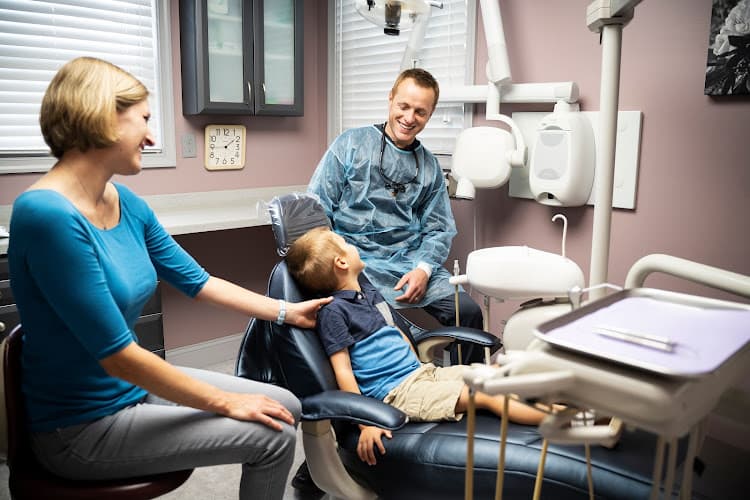
A general dental office of this kind covers the majority of the care most adults and children need over a lifetime, referring out only for specialized procedures such as complex oral surgery, orthodontics or advanced periodontal treatment. Services commonly provided in this setting include:
- Routine examinations and professional cleanings, usually scheduled twice a year
- Digital or film X-rays used to check for decay between teeth, bone loss and issues below the gum line
- Fillings in composite resin or amalgam to treat cavities
- Crowns, bridges and inlays for teeth that are cracked, worn or too damaged for a simple filling
- Root canal therapy on suitable teeth, or referral to an endodontist when a case is complicated
- Extractions, including loose or badly decayed teeth
- Full and partial dentures, along with relines, adjustments and repairs
- Treatment of gum inflammation and early periodontal disease, plus guidance on home care
- Emergency attention for broken teeth, lost fillings, abscesses and dental pain
- Cosmetic work such as whitening, bonding and veneers
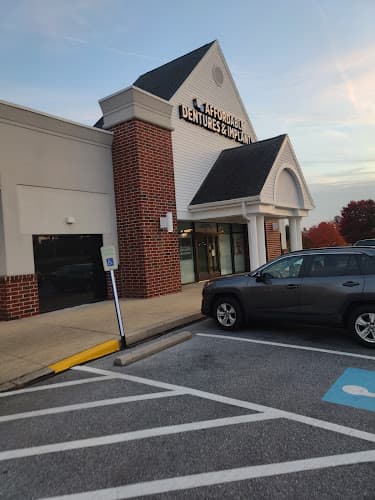
Denture and partial plate work deserves specific mention, since it is an area where this office has drawn notice from patients and their families. Removable prosthetics need periodic attention: the jaw changes shape over time, clasps loosen, acrylic cracks and teeth occasionally come free from the base. A dentist who will take the time to adjust or repair a plate rather than simply recommending a replacement can make a real difference for older patients and for anyone on a fixed budget. Repairs of this kind are often handled quickly, sometimes in a single visit, depending on the damage and whether an outside dental laboratory is needed.
Location and Access
Kenhorst Boulevard is one of the main north and south routes through the southern edge of Reading, connecting the city with the borough of Kenhorst and continuing toward Shillington and Mohnton. The street carries steady local traffic and links readily to Route 724, Lancaster Avenue and Route 222, so the office is reachable from most of central and western Berks County in a short drive. Parking at offices along this stretch is generally on site or in adjacent lots rather than on the street, and the area is served by BARTA bus routes running out of the Reading transit center.
For patients coming from downtown Reading, the trip south on Kenhorst Boulevard is a matter of a few minutes outside of rush hour. Those arriving from Wyomissing or West Reading typically cross the Schuylkill and follow Lancaster Avenue before turning south.
What Patients Can Expect
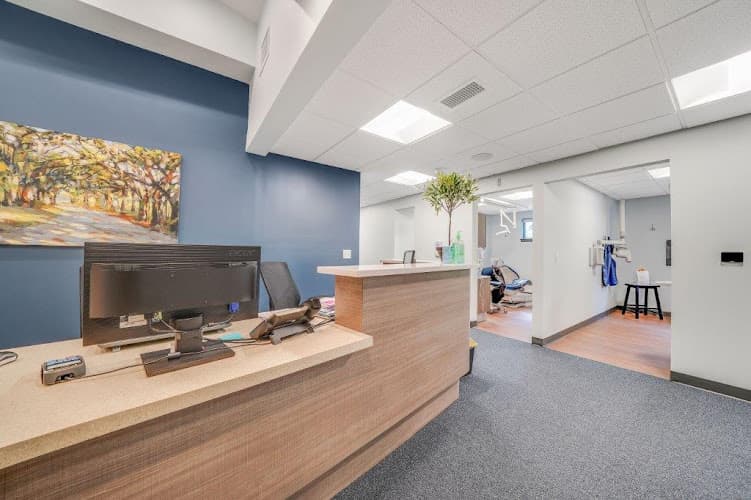
Small general practices tend to run differently from larger group clinics. The same dentist usually performs each procedure, so treatment history is familiar and explanations build on earlier conversations rather than starting fresh each visit. Front desk staff in an office of this size handle scheduling, insurance paperwork and reminders directly, which generally means fewer call transfers and a quicker answer to a billing question.
A first appointment at a general dental office normally includes a review of medical history and current medications, a full set of X-rays if recent images are not available from a previous dentist, an examination of the teeth, gums, bite and soft tissues of the mouth, an oral cancer screening and, in most cases, a cleaning. The dentist then discusses any findings and lays out treatment options in order of urgency. Patients who have been away from dental care for a long stretch are often given a staged plan so that the most pressing problems are addressed first.
It is worth bringing an insurance card, a photo ID and a list of medications to the first visit. Patients who have had recent X-rays taken elsewhere can usually request that the previous office forward them, which saves both time and additional exposure. Anyone with a heart condition, a joint replacement, diabetes or a bleeding disorder should mention it, since these affect how certain procedures are planned.
Practical Information
The office can be reached by phone at +1 610-777-9203. Calling ahead is the standard way to schedule a checkup, ask about insurance participation or report a dental emergency. Most general practices set aside some capacity each day for urgent problems, so patients with sudden pain or a broken tooth are usually advised to call early in the day rather than wait.
Questions worth asking when you call include which dental plans the office accepts, whether payment arrangements are available for larger treatment plans, how far out routine hygiene appointments are booking and what the policy is for after hours emergencies. Insurance participation and scheduling availability change over time, so a direct call will give the most accurate answer.
Role in the Community
Long-running neighborhood dental offices occupy a particular place in a community. Families often stay with the same practice across generations, and the continuity matters clinically: a dentist who has watched a patient's mouth change over many years can spot a developing problem that would not be obvious to someone seeing the chart for the first time. In an area like southern Reading and the adjoining boroughs, where many households have deep local roots, that kind of continuity is part of why a practice becomes a fixture on the street it sits on.