DuckPond Designs is a graphic design business operating in Pennsylvania, providing visual communication services to clients seeking professional design solutions. The business operates under the brand name DuckPond Designs.
Services and Specializations
As a graphic design practice, DuckPond Designs offers creative services that encompass the visual aspects of brand communication and marketing materials. Graphic design businesses of this nature typically handle a range of projects that may include logo development, brand identity systems, print collateral, digital graphics, packaging design, and various marketing materials tailored to client specifications.
The scope of graphic design work often extends across multiple mediums and applications. Common service categories within the field include:
- Logo design and brand identity development
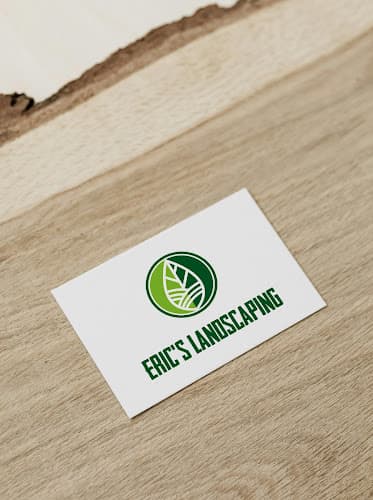
- Business card and stationery design
- Brochure and flyer creation
- Social media graphics and digital marketing assets
- Packaging and product label design
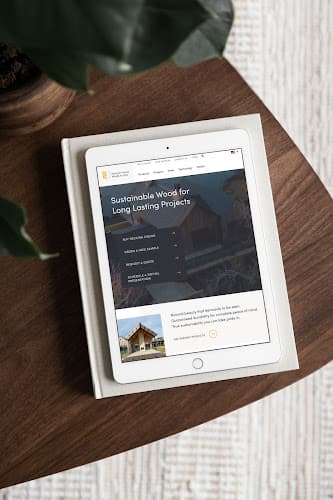
- Website graphics and user interface elements
- Signage and environmental graphics
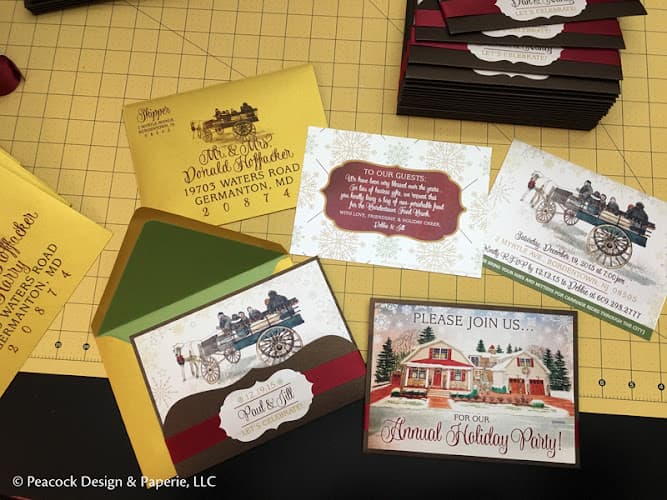
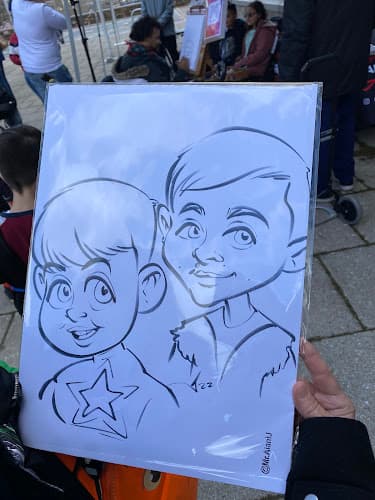
- Promotional materials for events and campaigns
The specific focus areas and design philosophy of DuckPond Designs can be explored through direct consultation with the studio. Individual graphic designers and small studios often develop particular strengths in certain industries or design styles based on their experience and client base.
Geographic Service Area
DuckPond Designs is based in Pennsylvania, with contact information indicating a presence in the central Pennsylvania region based on the 717 area code. This telephone prefix serves a significant portion of south-central Pennsylvania, including areas such as Lancaster, York, Harrisburg, and surrounding communities. The specific service area may extend beyond the immediate geographic location, as graphic design work can often be conducted remotely through digital communication and file sharing.
Many contemporary graphic design practices serve clients across broad geographic regions, utilizing email, video conferencing, and cloud-based collaboration tools to work with businesses regardless of physical proximity. This flexibility allows small design studios to build client relationships with organizations throughout their state, across the country, or internationally, depending on the nature of projects and client preferences.
The Graphic Design Industry Context
Graphic design as a professional discipline encompasses the creation of visual content intended to communicate messages to specific audiences. The field draws on principles of typography, color theory, composition, and visual hierarchy to create effective designs that serve functional purposes while achieving aesthetic goals. Professional graphic designers typically possess formal training in design principles, software proficiency, and an understanding of production processes for both print and digital media.
The industry has evolved significantly with technological advances, particularly the transition from traditional paste-up and mechanical production methods to computer-based design using software such as Adobe Creative Suite applications. Contemporary graphic designers must maintain proficiency with current tools while understanding the technical requirements of various output formats, from high-resolution print production to optimized digital delivery.
Small graphic design studios and independent practitioners occupy an important segment of the design industry, often providing personalized attention and flexible service arrangements that larger agencies may not offer. These smaller practices frequently develop long-term relationships with clients, gaining deep familiarity with their brand requirements and business objectives over time.
Working with a Graphic Design Studio
Engaging a graphic design service typically begins with an initial consultation to discuss project requirements, timeline, and budget considerations. This discovery phase allows the designer to understand the client's objectives, target audience, and any existing brand guidelines or preferences that should inform the creative direction.
The design process generally follows a structured workflow that includes:
- Project briefing and requirement gathering
- Research and concept development
- Initial design presentations with multiple concepts
- Client feedback and revision cycles
- Refinement and finalization of selected designs
- Preparation of final files in appropriate formats
- Delivery of assets with usage guidelines as needed
Clear communication throughout this process helps ensure that final deliverables align with client expectations and serve their intended purposes effectively. Professional designers typically establish revision policies and project timelines at the outset to maintain efficient workflows and predictable project completion.
Contact Information
Prospective clients can reach DuckPond Designs by telephone at +1 717-383-0604. Initial inquiries typically address project scope, timing, and general budget parameters to determine whether the studio is a suitable fit for the client's needs.
When contacting a graphic design studio, it is helpful to have a general understanding of project requirements, including the types of materials needed, intended use, approximate timeline, and any existing brand assets or guidelines that should be incorporated. This information allows the designer to provide accurate estimates and assess project feasibility during initial discussions.