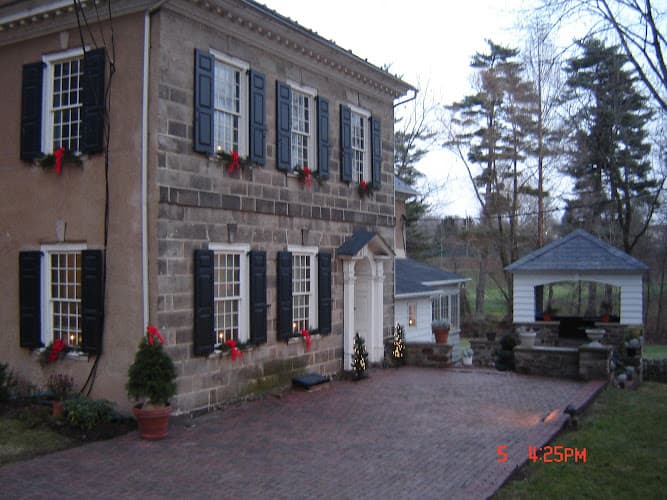
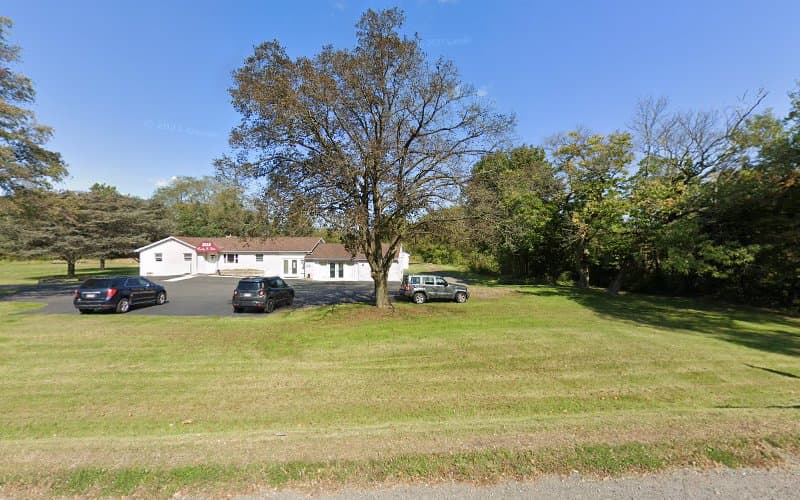
E. Kenneth Nyce Law Office, LLC is a general practice law firm located at 105 E Philadelphia Ave in Boyertown, Pennsylvania. The office sits along the main commercial corridor through the borough, within the stretch of storefronts, professional offices and municipal buildings that make up Boyertown's downtown. The firm serves clients from Boyertown itself and from the surrounding communities of eastern Berks County, along with neighboring parts of Montgomery and Chester counties where residents often look to Boyertown for professional services.
The practice is organized around the kinds of legal work that individuals, families and small business owners in a borough of this size typically need: planning for the transfer of property and assets, settling the affairs of someone who has died, buying and selling real estate, forming and maintaining businesses, and handling family and personal matters that require a lawyer's involvement. Several attorneys and support staff work out of the office, and clients are generally matched with the person whose focus fits their situation.
Estate Planning
Estate planning is among the firm's core areas of work. This includes drafting wills, revocable and irrevocable trusts, powers of attorney and advance health care directives, often referred to as living wills. For many clients the process begins with a straightforward set of documents that name an executor, designate beneficiaries and appoint someone to make financial and medical decisions if the client becomes unable to do so. Pennsylvania has its own rules governing how these documents must be executed and witnessed, and how inheritance tax applies to transfers at death, so plans drawn up in other states or from generic templates frequently need revision for Pennsylvania residents.
More involved planning may address blended families, children with disabilities, property held in more than one state, farmland or closely held business interests. Pennsylvania's inheritance tax applies at different rates depending on the relationship between the person who died and the person inheriting, which makes the structure of a plan relevant even for estates well below the federal estate tax threshold. Reviewing an existing plan after a marriage, divorce, death in the family, retirement or a significant change in assets is a common reason clients return to the office.
Elder Law and Medicaid Planning
Elder law is a distinct area of the firm's practice and one it is particularly known for locally. The work covers long term care planning, applications for Medical Assistance to help pay for nursing home care, spousal impoverishment protections for a husband or wife remaining at home, and the five year lookback period that applies to transfers of assets before a Medicaid application. Attorneys in this field also handle guardianship petitions when an adult can no longer manage personal or financial affairs and no valid power of attorney exists.
Families often come to elder law questions under time pressure, after a hospitalization or a sudden decline in health, and the legal issues arrive mixed with difficult personal decisions. The firm handles both advance planning, done years before care is needed, and crisis planning, done when a loved one is already in a facility or about to enter one. Questions about Veterans benefits, the interaction between Medicare and Medicaid, and the treatment of a family home in the application process come up regularly in this work.
Estate Administration and Probate
When someone dies, the firm assists executors and administrators with the probate process in the county where the decedent lived. In Pennsylvania this begins at the Register of Wills, where the will is filed and letters testamentary are issued. From there the personal representative must identify and value assets, notify beneficiaries and creditors, file the Pennsylvania inheritance tax return, pay debts and expenses, and distribute what remains according to the will or, if there is no will, according to the Commonwealth's intestacy statute.
The firm also advises on trust administration, handles estates that include real property needing to be sold, and assists with the settlement of smaller estates where simplified procedures may apply. Clients who serve as executors are often doing the job for the first time and are doing it while grieving, so a significant part of the work is explaining sequence and deadlines in plain terms.
Other Practice Areas
- Residential and commercial real estate, including agreements of sale, deed preparation, title questions and closings
- Business formation and ongoing counsel for small businesses, including LLCs, partnerships and corporations
- Business succession planning for family owned enterprises
- Family law matters, including divorce, custody and support
- Powers of attorney, guardianships and incapacity planning
- Municipal and zoning questions affecting property owners
Location and Access
The office is at 105 E Philadelphia Ave, on the east side of Boyertown's business district. Philadelphia Avenue carries Route 73 through the borough, making the office reachable from Gilbertsville, Bechtelsville, Bally, Barto, New Berlinville and the Colebrookdale and Douglass township areas. Pottstown lies a short drive southeast, and Reading is accessible via Route 562 and Route 73. Street parking is available along the avenue and in nearby public lots serving the downtown.
Boyertown has a long standing business district anchored by independent professional offices, and the law office operates in that setting rather than in a suburban office park. Clients who have business at the Berks County Courthouse in Reading or the Register of Wills office there often find it convenient to work with a firm that handles these filings routinely.
Appointments and Practical Information
Appointments are required. The firm does not operate on a walk in basis, and scheduling ahead allows the office to assign the matter to the appropriate attorney and to gather preliminary information before the meeting. Appointments can be arranged by calling +1 610-367-2921.
Clients can make an initial consultation more productive by bringing relevant documents. For estate planning, that may include deeds, retirement account statements, life insurance policies, prior wills and a list of assets with approximate values. For estate administration, the original will, the death certificate, recent tax returns and account statements are useful. For elder law matters, financial records covering the past several years, long term care insurance policies and information about current care arrangements are typically needed because of the Medicaid lookback rules.
It is also worth thinking in advance about who should serve in the roles a plan requires: executor, trustee, agent under a power of attorney, health care representative and, where minor children are involved, guardian. These choices are often the part of the process that takes families the longest to settle, and having candidates in mind before the first meeting can shorten the overall timeline considerably.