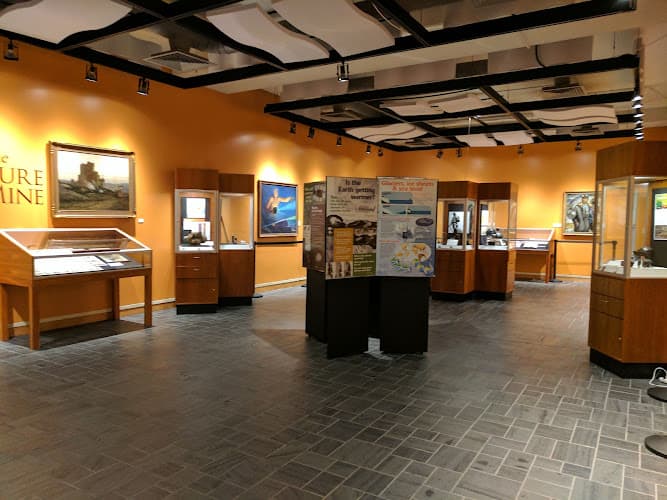
Earth and Mineral Sciences Museum and Art Gallery
The Earth and Mineral Sciences Museum and Art Gallery at University Park showcases intriguing exhibits on geology and art, offering an enriching cultural experience for visitors.
What people love about Earth and Mineral Sciences Museum and Art Gallery
Combined Museum and Art Gallery Experience
This unique combination of the gem museum with an art gallery is mentioned as a notable new feature that adds variety and value to the visitor experience.
Interactive Exhibits
The hands-on, interactive nature of the exhibits stands out as a particular draw, making the museum engaging beyond passive viewing and especially appealing for families.
Attractive Gem Collection
Despite the museum's small size, visitors consistently praise the quality and appeal of the gem collection itself as a worthwhile attraction.
Key Themes from Reviews of Earth and Mineral Sciences Museum and Art Gallery
Museum Size & Scope
MixedCustomers consistently note the museum's compact size, with most viewing it positively as a "gem" or "little museum," though some suggest it's best suited for brief visits.
Educational Value
PositiveVisitors appreciate the museum's educational offerings, particularly noting its value for students and the engaging, informative nature of the exhibits.
Interactive Exhibits & Fun Factor
PositiveCustomers highlight the enjoyable, hands-on nature of the exhibits, making it appealing for families and younger visitors.
Location/Operational Changes
MixedVisitors note the museum has relocated and reopened, with some expressing nostalgia for previous displays while still finding the current experience worthwhile.
Limited Accessibility/Availability
NegativeSome visitors encountered limited hours or closed galleries, suggesting the need to plan visits carefully.
About Earth and Mineral Sciences Museum and Art Gallery
Overview
The Earth and Mineral Sciences Museum and Art Gallery operates within the Deike Building on the University Park campus of Pennsylvania State University. As part of the College of Earth and Mineral Sciences, the museum serves as both an educational resource for the university community and a public institution open to visitors interested in geology, mineralogy, and related earth sciences. The facility combines scientific specimens with artistic works, creating a dual-purpose space that explores the intersection of natural history and visual arts.
Collections and Exhibits
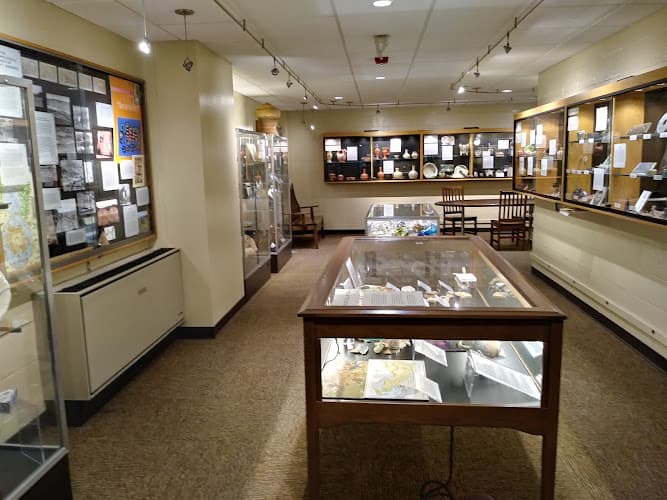
The museum houses a collection focused on minerals, gems, and geological specimens that reflect the academic mission of Penn State's earth sciences programs. The displays include both permanent installations and rotating exhibits that showcase various aspects of mineralogy and geology. The institution has undergone changes in recent years, including a relocation and reorganization that brought together what were previously separate museum and gallery spaces into a unified facility.
The collection represents materials significant to the study of earth sciences, including mineral samples, gemstones, and geological formations. These specimens serve dual purposes: they function as teaching tools for university courses while also providing public access to materials that might otherwise be available only in research settings. The museum's position within a major research university means its holdings often reflect ongoing academic work in the earth sciences.
The art gallery component adds a dimension not typically found in purely scientific museums. This combination allows visitors to experience both the scientific and aesthetic aspects of minerals and earth materials, recognizing that these natural objects have long inspired artistic expression and cultural significance beyond their geological properties.
Educational Mission
As a university museum, the Earth and Mineral Sciences Museum and Art Gallery maintains a strong educational focus. The facility serves multiple constituencies, from Penn State students studying geology and related fields to K-12 school groups seeking enrichment opportunities to general visitors with casual interest in earth sciences. The museum's exhibits are designed to communicate scientific concepts in accessible ways, making complex geological processes and mineralogical classifications understandable to audiences without specialized training.
The institution incorporates hands-on elements into its exhibition design, allowing visitors to engage directly with concepts rather than simply reading about them. This approach reflects contemporary museum practices that emphasize active learning and visitor participation. Such interactive components make the museum particularly suitable for younger visitors and family groups seeking educational activities.
For university students, the museum provides opportunities to see specimens that complement classroom instruction. Geology and earth science courses can utilize the museum's holdings for practical demonstrations, giving students direct exposure to materials they study in theoretical contexts. This integration of museum resources with academic programs represents a traditional strength of university-based natural history collections.
History and Development
The museum's history is intertwined with the development of earth sciences education at Penn State. University mineral collections often begin as teaching collections assembled by faculty members, gradually growing through donations, field collection, and strategic acquisitions. Over time, these collections may be formalized into museum settings that serve broader audiences while maintaining their educational core functions.
The facility has experienced transitions in its location and configuration over the years. Previous installations existed in other campus buildings, including the Steidle Building, before the current arrangement in the Deike Building. Such relocations are common in university museums, which must adapt to changing campus space allocations and institutional priorities. Each move typically involves reconsidering how collections are displayed and what stories the exhibits tell.
The merger of the mineral museum with the art gallery represents a more recent development in the institution's evolution. This consolidation reflects both practical considerations about space and staffing and conceptual thinking about how different types of collections can complement each other. Minerals have long attracted attention for their aesthetic qualities as well as their scientific significance, making the combination of science museum and art gallery a natural fit.
Visitor Information and Accessibility
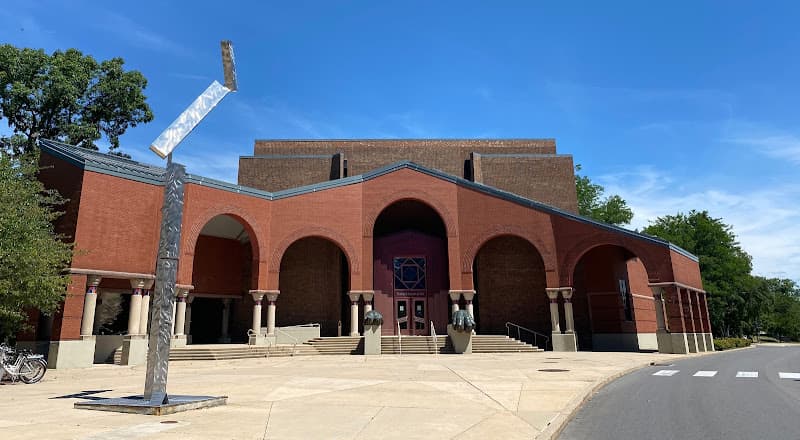
The museum is located at 6 Deike Building on the University Park campus in State College, Pennsylvania. The Deike Building houses various earth sciences programs and facilities, placing the museum within an academic context that reinforces its educational mission. Visitors to campus can typically find parking in university lots, though availability varies depending on campus events and academic schedules.
The facility maintains wheelchair accessible entrances and restrooms, ensuring that visitors with mobility limitations can navigate the space. A cafe is available on site, providing refreshment options for visitors. These amenities make the museum suitable for extended visits, though the compact nature of the exhibits means most visitors can see the collections in a relatively brief time.
Operating hours follow an academic calendar and may differ during summer sessions, breaks, and holidays. The museum typically operates on weekday schedules, with potential closures during midday hours. Prospective visitors should verify current hours before planning trips, particularly during summer months or academic breaks when university operations may follow modified schedules. Contact information is available through the museum's website or by phone for those seeking specific scheduling details.
The University Context
Pennsylvania State University's College of Earth and Mineral Sciences ranks among the significant programs of its type in American higher education. The college encompasses departments studying geology, meteorology, materials science, energy resources, and related fields. The museum reflects this breadth, potentially including materials relevant to multiple disciplines within the earth sciences rather than focusing narrowly on a single specialty.
University museums occupy a particular niche in the broader museum landscape. They typically operate with smaller budgets and staffs than major metropolitan institutions but often hold collections of significant scientific value. Their primary audiences include students and faculty, but they also serve important public outreach functions, introducing community members to academic disciplines and research activities. The Earth and Mineral Sciences Museum and Art Gallery fulfills these roles within the Penn State community and the broader Central Pennsylvania region.
For families visiting the University Park campus, the museum offers an educational activity suitable for children while providing adults with substantive content about earth sciences. The facility's location on a major university campus means visitors can combine a museum trip with other campus attractions, including other museums, athletic facilities, or simply exploring the grounds of one of the largest universities in the United States.
Unique Details About Earth and Mineral Sciences Museum and Art Gallery
Children
- Good for kids
Amenities
- Cafe
- Restroom
Accessibility
- Wheelchair accessible entrance
- Wheelchair accessible restroom
Contact Information for Earth and Mineral Sciences Museum and Art Gallery
University Park, PA 16802
United States of America
County: Centre County
Phone: +1 814-863-6017
Website: Visit Website
Customer Reviews
4.5 out of 5 stars
Based on 19 reviews
Review data
5 star reviews
- 68%
4 star reviews
- 21%
3 star reviews
- 5%
2 star reviews
- 0%
1 star reviews
- 5%
Working Hours / Hours of Operation
- Monday:
- 10AM-4PM
- Tuesday:
- 10:30AM-4:30PM
- Wednesday:
- 10AM-4PM
- Thursday:
- 10:30AM-4:30PM
- Friday:
- 10AM-4PM
- Saturday:
- Closed
- Sunday:
- Closed
Location Map
BerksConnect: everything local in Berks County, PA.
8,700+ local businesses with AI-summarized reviews, plus local guides, jobs, and what's happening around the county.