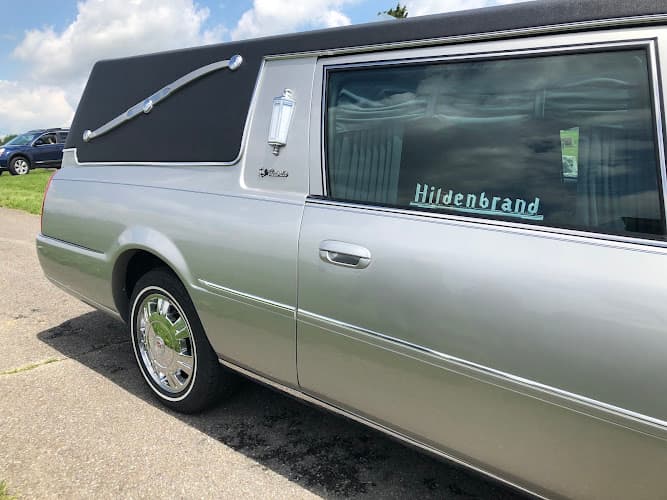
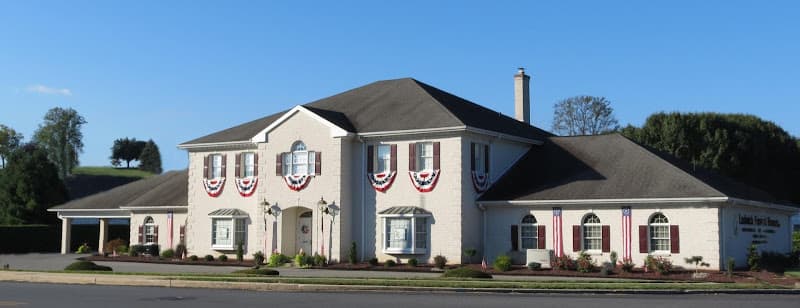
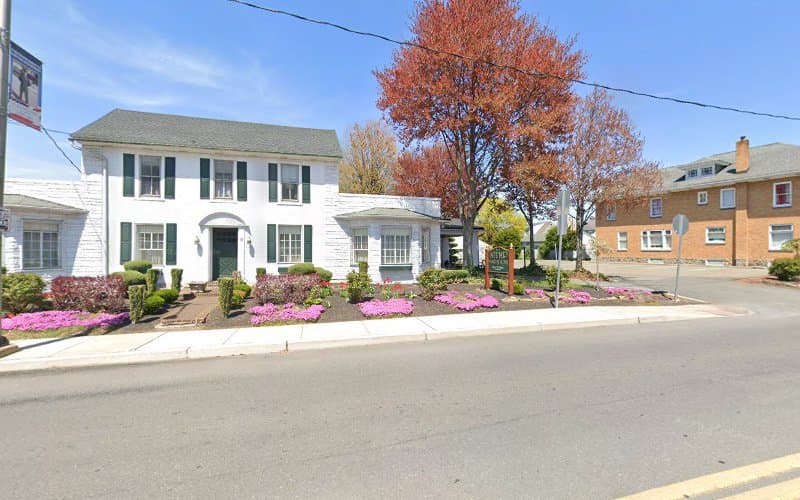
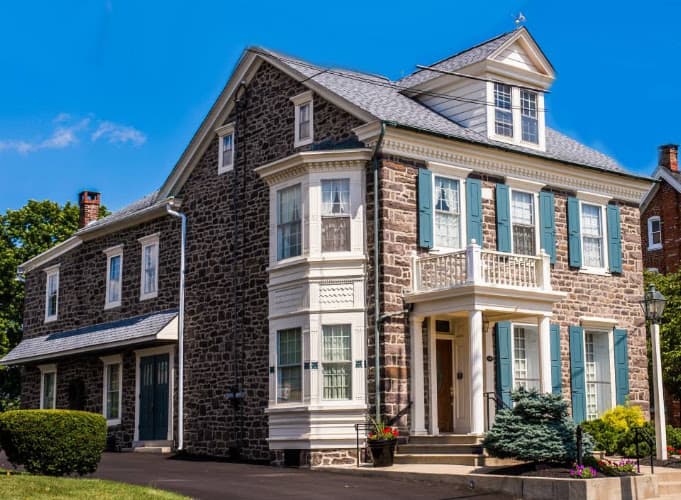
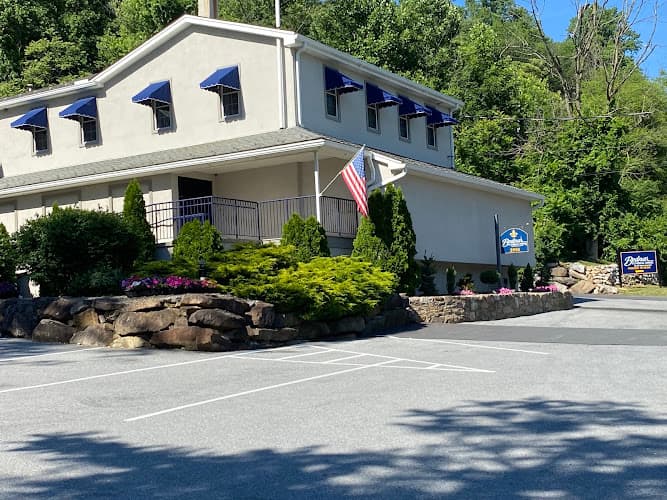
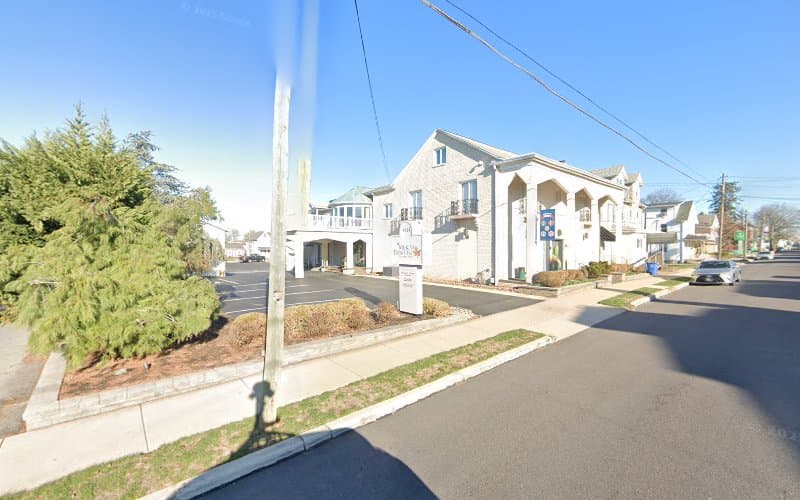
Edward J. Hildenbrand Funeral Home Inc is a funeral establishment located at 346 W Main St in Kutztown, Pennsylvania. The firm provides full funeral and memorial services to families in the borough and the surrounding communities of northeastern Berks County, including burial services, cremation services and the use of an onsite chapel for viewings, visitations and funeral ceremonies. The funeral home can be reached at +1 610-683-3526, and additional information is available through its website at hildenbrandfuneralhome.com.
West Main Street is Kutztown's primary east to west corridor, running through the center of the borough and connecting to Route 222 at either end of town. The location places the funeral home within a short drive of Kutztown University, the borough's residential neighborhoods, and the farm communities and small villages that surround the town, including Maxatawny, Krumsville, Lyons, Topton and Bowers. Families traveling from Allentown, Reading, Hamburg or Fleetwood can reach the funeral home in roughly twenty to thirty minutes depending on traffic.
Services Offered
The funeral home handles the full range of arrangements that follow a death, from the initial transfer of the deceased into its care through the final disposition and the filing of required paperwork. Its listed offerings include:
- Traditional funeral services with viewing, ceremony and burial
- Cremation services, including arrangements that pair cremation with a preceding visitation or a later memorial gathering
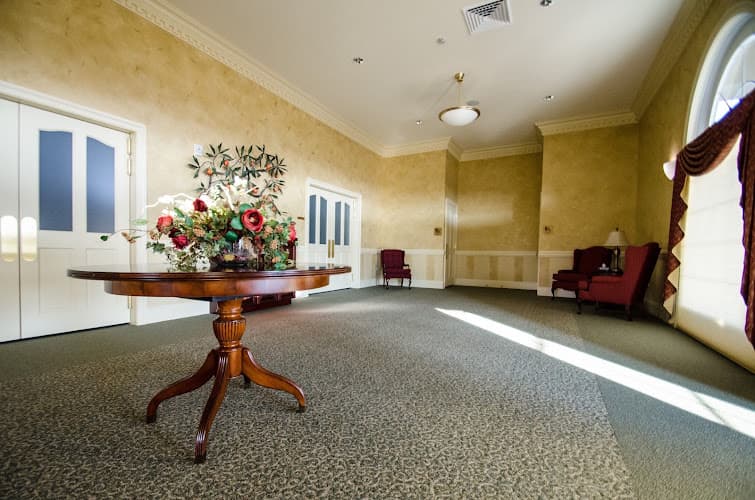
- Use of an onsite chapel for services held at the funeral home rather than at a church or graveside
- Onsite services, meaning the majority of arrangement conferences, visitations and ceremonies can take place at the West Main Street location
- Coordination with cemeteries, clergy, florists, musicians and other parties involved in a service
Because the firm offers both burial and cremation, families are not limited to one path when they arrive to make arrangements. Cremation in particular has become a common choice across Pennsylvania in recent decades, and the options surrounding it are more varied than many people expect. A cremation can be preceded by a full viewing and service, followed by a memorial gathering weeks later, or handled simply and directly with no public ceremony at all. Funeral directors typically walk families through these distinctions during the arrangement conference so that the decision reflects both practical considerations and the wishes of the person who died.
The Onsite Chapel
Not every funeral home maintains a chapel of its own, and the presence of one at this location has practical consequences for families. A chapel allows a viewing and the funeral service itself to take place in the same building, which removes the need to coordinate a separate church or hall and reduces the amount of travel required of elderly relatives and out of town guests. It also gives families without a current church affiliation a dedicated setting for a service, and it accommodates gatherings led by a celebrant, a family member or a friend rather than clergy.
For graveside or cemetery committal services, the funeral home coordinates the procession and the arrangements at the burial site. Berks County has a dense network of church cemeteries, municipal burial grounds and rural family plots, many of them dating to the eighteenth and nineteenth centuries, and funeral directors in the region routinely work with cemetery associations and sextons to arrange interments.
Personalization of Services
A recurring point of emphasis for this funeral home is the shaping of each service around the particular person being remembered and the family doing the remembering. In practice, personalization can take many forms: the selection of music, the inclusion of readings or eulogies from multiple family members, the display of photographs, military memorabilia, handiwork, farm implements or other objects that illustrate a life, video tributes, and the arrangement of the chapel or visitation space to accommodate a specific flow of guests. Funeral directors often coordinate military honors for veterans through the appropriate branch of service and local veterans organizations, and they arrange for fraternal, civic or fire company rites when a family requests them.
Flexibility in scheduling is also part of this work. Services may be arranged around the travel of distant relatives, the availability of clergy, cemetery hours, or a family's preference for a weekend gathering. The willingness to adjust the standard format to fit a family's circumstances is a defining characteristic of independently operated funeral homes in small Pennsylvania boroughs, where directors frequently know the families they serve and the churches, cemeteries and community organizations those families belong to.
Accessibility and Parking
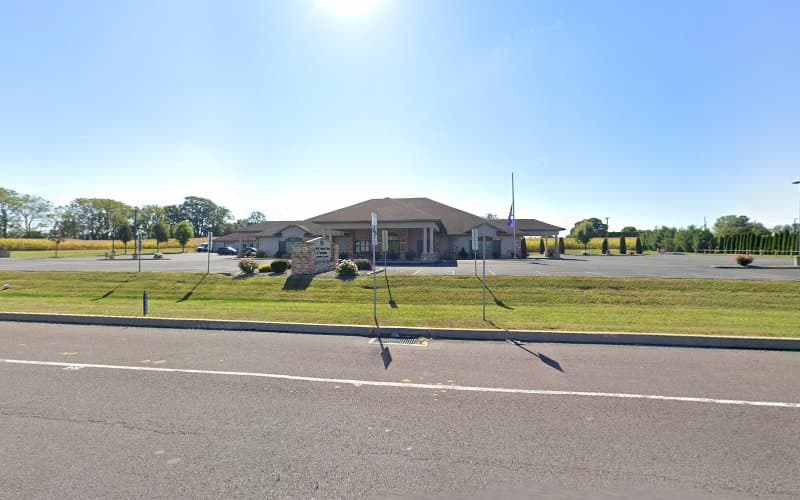
The funeral home offers on site parking, which matters considerably during viewings and services when many vehicles arrive within a short window. The building has a wheelchair accessible entrance and a wheelchair accessible parking lot, allowing guests who use mobility devices to enter and move through the facility. Funeral attendance often skews older, and accessible entry, parking close to the door and level access to the chapel can determine whether a person is able to attend at all.
Practical Information for Families
Families contacting a funeral home for the first time after a death often do not know what to bring or what will be asked of them. Generally, the arrangement conference covers biographical information needed for the death certificate and obituary, including the full legal name of the deceased, date and place of birth, Social Security number, parents' names, education, occupation, military service and surviving relatives. Families are usually asked to bring clothing for the deceased if there will be a viewing, along with any photographs intended for display and any preexisting documentation such as a prearrangement contract, cemetery deed or veteran's discharge paperwork.
Preplanning is another service commonly handled by funeral homes of this type. Arranging a funeral in advance allows a person to record their own preferences regarding burial or cremation, service format and merchandise, and in some cases to fund those arrangements ahead of time. This removes a set of decisions from survivors at a moment when they are least prepared to make them. Interested individuals typically schedule an appointment to discuss options, with no obligation attached to the initial conversation.
Contacting the Funeral Home
Funeral homes operate on call at all hours, and a death at night or on a weekend can be reported by telephone at any time. Families can call +1 610-683-3526 to speak with a director, to arrange the transfer of a loved one into the funeral home's care, or to ask questions about services, pricing and scheduling. Obituaries, service times and condolence information are generally posted on the funeral home's website, which serves as a reference point for friends and relatives who need details about upcoming visitations and funerals.