Emily Hunsicker, LMT is a licensed massage therapist operating in Pennsylvania. As an independent practitioner, Hunsicker provides therapeutic massage services to clients throughout the region, offering appointments through the Vagaro scheduling platform. The practice represents the growing sector of solo massage therapy practitioners who operate outside of spa or clinic settings, providing personalized bodywork services directly to their clientele.
Professional Credentials and Licensing
The designation LMT following Emily Hunsicker's name indicates that she holds a License in Massage Therapy, a credential that requires completion of specific educational and practical training requirements established by the Pennsylvania State Board of Massage Therapy. In Pennsylvania, massage therapists must complete a minimum of 600 hours of education from an approved massage therapy program, pass a competency examination such as the Massage and Bodywork Licensing Examination (MBLEx), and maintain their license through continuing education requirements.
Licensed massage therapists in Pennsylvania undergo training that typically covers anatomy and physiology, kinesiology, pathology, ethics, and various massage modalities. This educational foundation enables practitioners to assess client needs, develop appropriate treatment plans, and perform therapeutic techniques safely and effectively. The licensing requirement distinguishes professional massage therapists from unlicensed practitioners and ensures a baseline standard of competency and professionalism in the field.
Service Area and Location
Emily Hunsicker operates within Pennsylvania, with her contact information indicating service in the southeastern portion of the state based on the 610 area code associated with her phone number. The 610 area code covers a substantial region of southeastern Pennsylvania, including portions of Chester County, Delaware County, Montgomery County, and parts of Berks and Lehigh counties. This area encompasses both suburban communities surrounding Philadelphia and more rural townships in the outlying regions.
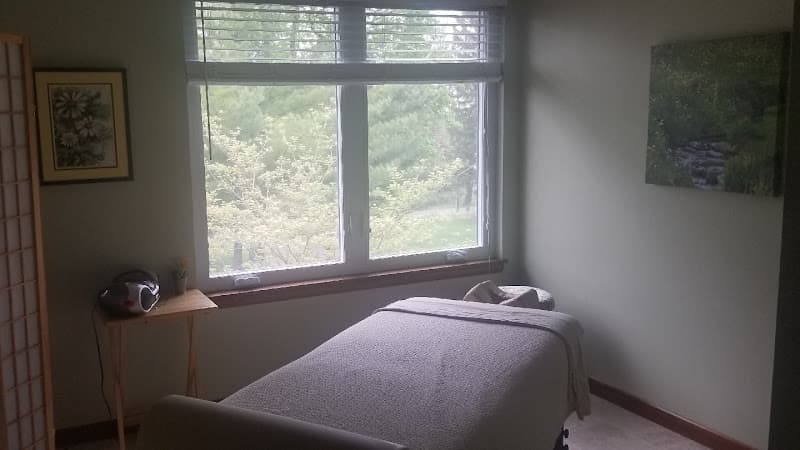
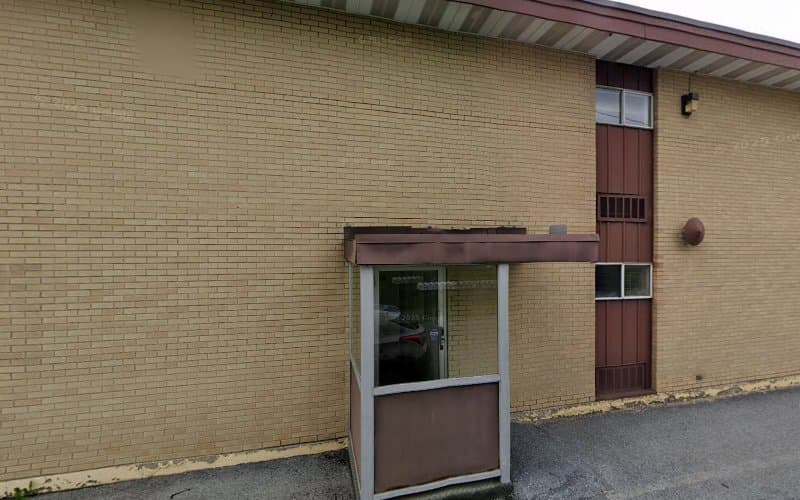
The specific service delivery model, whether the practice operates from a dedicated studio space, within a shared professional facility, or provides mobile massage services to client locations, may vary. Many independent massage therapists in Pennsylvania offer flexibility in their service delivery to accommodate client preferences and scheduling needs.
Appointment Scheduling and Booking
Emily Hunsicker utilizes Vagaro as her primary booking platform. Vagaro is a business management software system widely used by wellness professionals, including massage therapists, estheticians, and salon owners. The platform allows clients to view available appointment times, book sessions online, and manage their appointments without requiring phone calls during business hours.
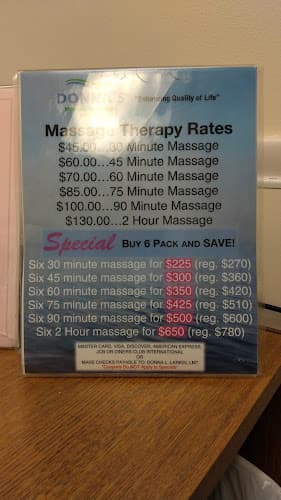
The use of an online scheduling system reflects current industry practices that prioritize convenience for both practitioners and clients. Through the Vagaro platform, potential clients can typically view service offerings, session durations, and pricing information before booking. The system also facilitates appointment reminders and reduces scheduling conflicts, which benefits solo practitioners who may be unable to answer calls while working with clients.
The Massage Therapy Profession in Pennsylvania
Massage therapy has established itself as a recognized healthcare and wellness service in Pennsylvania, with practitioners working in various settings including private practices, chiropractic offices, physical therapy clinics, spas, fitness centers, and hospitals. The Pennsylvania State Board of Massage Therapy, operating under the Bureau of Professional and Occupational Affairs, oversees the licensing and regulation of massage therapists throughout the commonwealth.
Independent massage therapists like Emily Hunsicker represent a significant portion of the profession. Solo practitioners often develop specialized approaches based on their training, continuing education, and clinical experience. This independence allows for personalized treatment protocols tailored to individual client needs rather than standardized spa menus or clinic-driven treatment plans.
Common Massage Therapy Modalities
Licensed massage therapists typically receive training in multiple modalities and may specialize in particular techniques based on their interests and client base. Common massage therapy approaches include Swedish massage, which uses long flowing strokes to promote relaxation and circulation, and deep tissue massage, which targets deeper muscle layers to address chronic tension patterns.
Other modalities that massage therapists may incorporate include trigger point therapy, which focuses on releasing specific points of muscle tension that can refer pain to other areas of the body. Myofascial release addresses the connective tissue that surrounds and supports muscles throughout the body. Sports massage techniques cater to athletes and active individuals, addressing performance and recovery needs. Prenatal massage provides specialized care for pregnant clients with appropriate positioning and pressure modifications.
Many massage therapists pursue additional certifications and training throughout their careers, expanding their skill sets to address specific client populations or conditions. Continuing education requirements for license renewal encourage ongoing professional development within the field.
Benefits and Applications of Massage Therapy
Massage therapy serves various purposes for different client populations. Some individuals seek massage for relaxation and stress reduction, while others utilize therapeutic massage as part of their healthcare routine to address musculoskeletal concerns. Research has examined massage therapy's effects on conditions including chronic pain, anxiety, headaches, and muscle tension, with varying levels of evidence supporting its applications.
Many clients incorporate regular massage sessions into their wellness routines as a form of self-care and preventive health maintenance. Others may seek massage therapy for specific concerns such as recovery from physical activity, management of chronic conditions, or relief from occupational strain related to desk work or physical labor.
Healthcare providers sometimes recommend massage therapy as a complementary approach alongside other treatments. The integration of massage therapy into broader healthcare contexts has grown as research continues to examine its therapeutic applications and as insurance coverage for massage therapy has expanded in certain circumstances.
Working with an Independent Massage Therapist
Choosing an independent massage therapist offers certain advantages for clients seeking personalized care. Solo practitioners typically maintain their own client relationships over time, allowing for continuity of care and accumulated knowledge of individual client needs and preferences. This ongoing therapeutic relationship can enhance treatment effectiveness as the practitioner develops familiarity with the client's body, response patterns, and goals.
Independent practitioners also often have greater flexibility in session scheduling, treatment duration, and pricing structures compared to larger establishments with standardized offerings. Communication between client and practitioner tends to be direct, facilitating clear discussion of treatment goals and feedback on session effectiveness.
For individuals considering massage therapy services, initial consultations typically involve discussion of health history, current concerns, and treatment goals. This information helps the massage therapist develop an appropriate treatment approach and identify any contraindications that might require modification of techniques or referral to other healthcare providers.
Contact Information
Prospective clients can reach Emily Hunsicker, LMT by phone at 610-751-3122. Direct phone contact allows for questions about services, scheduling needs, or other inquiries that may be better addressed through conversation.