EOS Worldwide - Jim Socci is a business consulting practice based in Allentown, Pennsylvania, operating from offices at 6081 Hamilton Blvd, Suite 600. Jim Socci works as a Professional EOS Implementer, part of the network of independent implementers affiliated with EOS Worldwide. The practice focuses on a single discipline: helping the leadership teams of privately held companies install and run the Entrepreneurial Operating System, a structured management framework designed to improve vision, discipline, and team health inside growing businesses.
Rather than offering broad-spectrum management advice, the practice works within a defined methodology and a defined sequence of sessions. Clients are typically owners, founders, CEOs, and their senior leadership teams at companies that have outgrown informal management habits and are looking for a repeatable operating rhythm.
What the Entrepreneurial Operating System Is
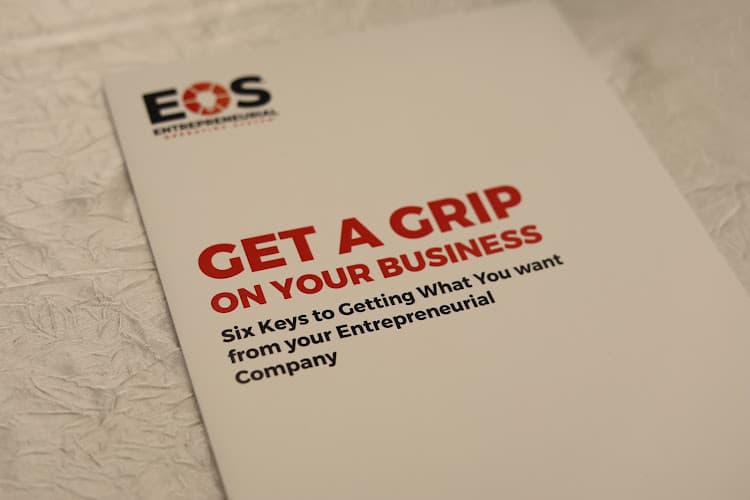
The Entrepreneurial Operating System, usually shortened to EOS, was developed by Gino Wickman and popularized through the book "Traction." It is built around the premise that most of the frustration in a growing company can be traced to six components of the business: Vision, People, Data, Issues, Process, and Traction. The system provides a small set of practical tools for strengthening each component, along with a meeting cadence and a quarterly planning rhythm that keep the tools in use over time.
EOS is deliberately simple in design. There are roughly twenty core tools, and most leadership teams use fewer than ten of them regularly. The value comes less from the complexity of the framework and more from consistent application. This is where a Professional EOS Implementer plays a role, serving as teacher, facilitator, and coach: teaching the tools, facilitating the sessions where leadership teams make hard decisions, and coaching leaders to keep using the system after the facilitator leaves the room.
Services and the Implementation Sequence
Work with an EOS Implementer generally follows an established arc. Jim Socci's practice offers the standard elements of that arc, which include:
- A no-charge introductory meeting, commonly called the 90 Minute Meeting, in which the leadership team learns what EOS is, what the tools do, and what the commitment involves before deciding whether to proceed.
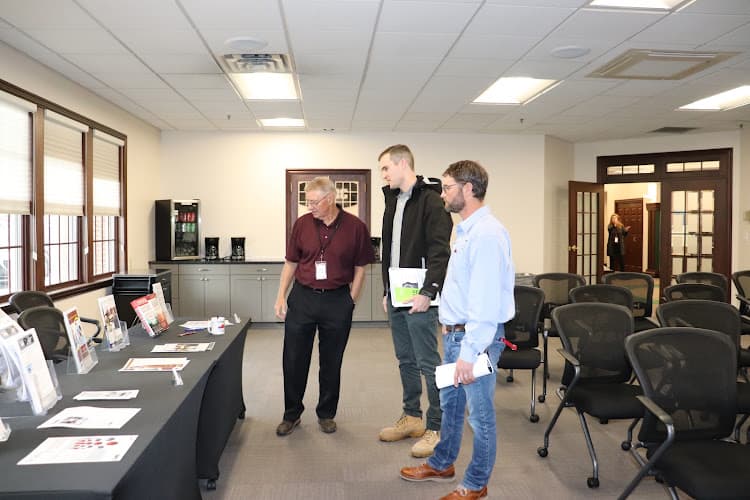
- Focus Day, a full-day session that introduces the foundational operating tools, including the Accountability Chart for organizational structure, the Rocks process for setting quarterly priorities, a weekly Scorecard of leading indicators, the Level 10 Meeting agenda, and the Issues Solving Track.
- Vision Building Day 1, held roughly a month later, which begins work on the Vision/Traction Organizer, a two-page document that captures core values, core focus, a long range target, marketing strategy, and three year picture.
- Vision Building Day 2, which completes the Vision/Traction Organizer by defining the one year plan, quarterly Rocks, and the issues list that the team will work through.
- Quarterly Pulsing sessions, in which the leadership team reviews the previous ninety days, resets priorities, resolves issues, and recommits to the plan.
- Annual planning sessions, typically two days, that refresh the longer range vision and set the coming year's direction.
- Ongoing coaching and support between sessions as leaders adopt the tools throughout the wider organization.
A full implementation commonly spans two years or more, though the schedule is set by the client's pace and appetite. Many teams reach a point where they run the system themselves and meet with an implementer only for quarterly and annual sessions.
Areas of Emphasis
Within the EOS toolkit, Jim Socci's sessions give notable attention to the financial mechanics of a business, including the drivers that determine how cash moves through a company. This emphasis on numbers alongside vision and people work reflects a practical view of business ownership: a clear vision matters, but so does understanding the specific levers that affect liquidity, margin, and working capital.
The practice also devotes substantial session time to organizational structure and people decisions, using the Accountability Chart to test whether roles are correctly defined and correctly staffed. These conversations often surface questions about hiring, promotion, delegation, and core values that leadership teams have been deferring, and the facilitated format is designed to bring them to a decision rather than leaving them open.
Location, Facilities, and Service Area
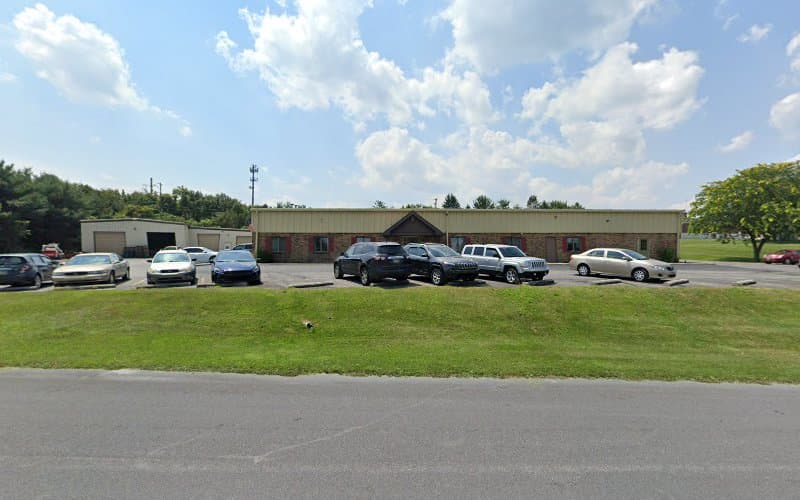
The Allentown office sits along Hamilton Boulevard in the western part of the city, in the Lehigh Valley region of eastern Pennsylvania. The location places the practice within reach of the Allentown, Bethlehem, and Easton corridor, as well as Reading, Quakertown, and communities in Berks, Bucks, Montgomery, and Northampton counties. The Lehigh Valley has a dense base of manufacturing, construction, distribution, professional services, and family-owned businesses, which are the types of organizations that most often adopt EOS.
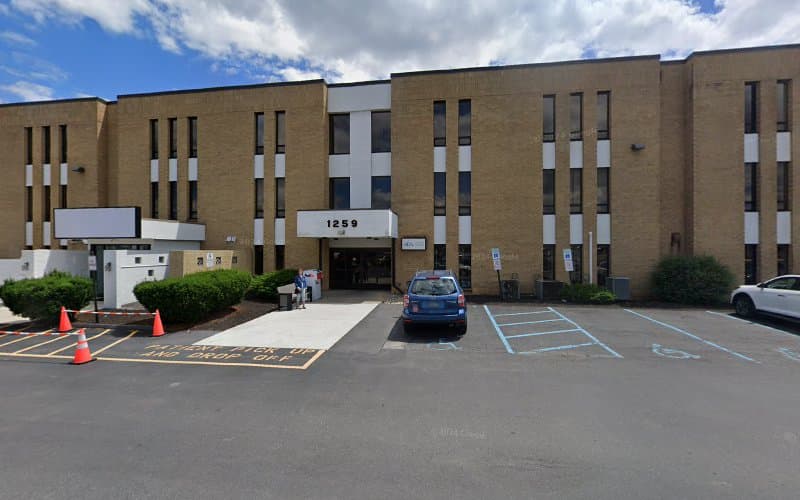
The building offers a wheelchair accessible parking lot. Because much of the work involves full-day and multi-day sessions with an entire leadership team, sessions are frequently held at the client's own facility or at a neutral offsite location chosen for freedom from interruption. Implementers in the EOS network also conduct sessions virtually, which extends the practical service area well beyond the immediate region.
Practical Information for Prospective Clients
Prospective clients can reach the practice by telephone at +1 610-406-2265 or through the EOS Worldwide website at eosworldwide.com/jim-socci, which hosts individual implementer profiles and scheduling information. A few points are worth knowing before making contact:
- EOS is designed for the leadership team as a unit. Sessions require the full team present and away from day to day operations, so calendars need to be cleared well in advance.
- The system is most often adopted by companies with roughly ten to two hundred and fifty employees, though smaller and larger organizations use it as well.
- Implementers work on a session by session basis rather than a long term contract, and the introductory meeting carries no cost or obligation.
- Reading "Traction" beforehand is commonly suggested, since it gives the whole team shared vocabulary for the first working session.
- The sessions are working meetings, not seminars. Teams are expected to make decisions, assign ownership, and commit to measurable priorities during the day.
For owners in the Lehigh Valley and surrounding counties who are weighing whether a formal operating system would help their company, the practice offers a defined methodology, a facilitator trained in that methodology, and a schedule of sessions that builds accountability into the calendar itself.