Ethan Hassick Design Co. is a graphic design practice based in Pennsylvania. The studio operates under the direction of its namesake founder, offering visual communication services to clients seeking professional design solutions. As an independent design operation, the company represents the growing sector of solo practitioners and small creative studios that serve businesses, organizations, and individuals throughout the region.
Services and Specializations
Graphic design studios of this nature typically provide a range of visual communication services that span both print and digital media. While specific service offerings vary by practitioner, the field of graphic design generally encompasses several core disciplines that clients commonly require.
Brand identity development represents a fundamental aspect of graphic design work. This includes the creation of logos, color palettes, typography systems, and visual guidelines that establish how an organization presents itself across all touchpoints. For businesses establishing new ventures or existing companies seeking to refresh their visual presence, brand identity work provides the foundational elements upon which all other marketing materials build.
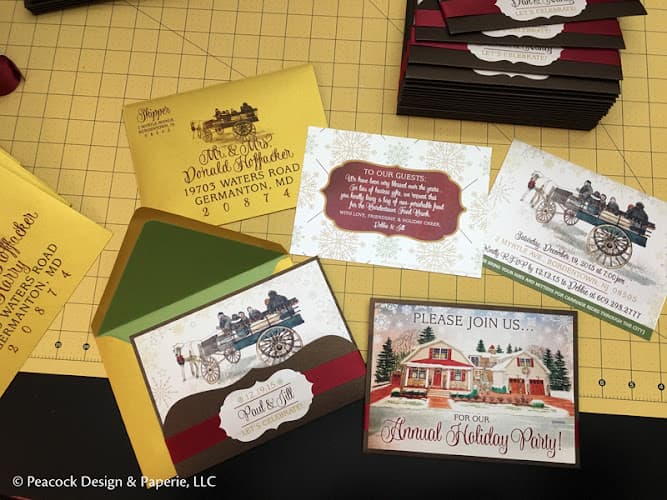
Print design remains a significant component of graphic design practice despite the digital transformation of many industries. Business cards, letterheads, brochures, catalogs, packaging, signage, and promotional materials all require thoughtful visual treatment to communicate effectively. Print projects demand specific technical knowledge regarding color management, paper stocks, printing processes, and production specifications that differ substantially from digital work.
Digital design has expanded considerably as organizations maintain increasingly sophisticated online presences. Website design, social media graphics, email templates, digital advertisements, and presentation materials fall within this category. The requirements for digital work include understanding of screen resolution, responsive design principles, file optimization, and the technical constraints of various platforms and devices.
Marketing collateral bridges both print and digital realms, encompassing the various materials businesses use to promote their products and services. Flyers, posters, advertisements, trade show displays, and promotional items all benefit from professional design treatment that maintains visual consistency while serving specific communication objectives.
The Graphic Design Profession
Graphic design as a profession emerged from the commercial art and advertising industries of the early twentieth century, evolving significantly with technological advances in printing, photography, and eventually digital computing. Contemporary graphic designers typically possess formal education in visual communication, art, or related fields, though the profession also includes self-taught practitioners who have developed their skills through experience and independent study.
The work of a graphic designer involves translating client objectives and messages into visual form. This process requires understanding of design principles including composition, hierarchy, balance, contrast, and rhythm. Typography knowledge proves essential, as the selection and arrangement of typefaces significantly impacts how written content is perceived and understood. Color theory informs decisions about palette selection and the psychological and cultural associations different colors carry.
Modern graphic design practice relies heavily on industry-standard software tools, primarily the Adobe Creative Suite applications including Illustrator for vector graphics, Photoshop for image editing, and InDesign for layout and publication design. Proficiency with these tools, combined with understanding of design principles, enables practitioners to execute projects across various media and applications.
Independent Design Studios
The graphic design industry includes practitioners operating at various scales, from large agencies employing dozens of designers to independent studios operated by individual designers or small teams. Independent operations like Ethan Hassick Design Co. occupy a specific niche within this landscape, offering certain characteristics that distinguish them from larger agencies.
Working with an independent designer typically means direct communication with the person actually executing the creative work. This contrasts with agency structures where account managers may serve as intermediaries between clients and creative staff. Direct communication can streamline the design process and ensure that client feedback reaches the designer without translation through multiple parties.
Independent studios often develop particular areas of focus or expertise based on the interests and experience of their principals. Some designers specialize in specific industries such as food and beverage, healthcare, technology, or nonprofit organizations. Others focus on particular types of projects such as publication design, packaging, or environmental graphics. This specialization allows independent practitioners to develop deep knowledge in their chosen areas.
The overhead structure of independent operations differs from larger agencies, which can affect project pricing and the types of clients these studios typically serve. Small businesses, startups, nonprofit organizations, and individuals often find independent designers well-suited to their needs and budgets, while larger corporations may require the expanded resources and capacity of bigger agencies.
Pennsylvania's Creative Economy
Pennsylvania hosts a diverse creative economy with design professionals distributed across its major metropolitan areas and smaller communities. Philadelphia anchors the eastern portion of the state with a substantial creative industry infrastructure, while Pittsburgh serves a similar function in the west. Smaller cities and towns throughout the state also support creative professionals who serve local and regional clients.
The state's economic diversity creates demand for design services across numerous sectors. Manufacturing, healthcare, education, agriculture, tourism, and technology industries all require visual communication support. This variety provides opportunities for designers to work across different categories and develop broad experience.
Remote work capabilities have expanded the geographic reach of design professionals, allowing practitioners in any location to serve clients throughout the country or internationally. This technological shift has particularly benefited designers in smaller markets, who can now access client bases far beyond their immediate geographic area while maintaining the lower overhead costs associated with locations outside major metropolitan centers.
Working with a Graphic Designer
Engaging a graphic designer typically begins with an initial consultation to discuss project requirements, objectives, timeline, and budget. This discovery phase allows the designer to understand the client's needs and provides the client with insight into the designer's approach and capabilities.
Design projects generally proceed through several phases including research and discovery, concept development, refinement, and final production. The research phase involves gathering information about the client's industry, competitors, target audience, and objectives. Concept development produces initial design directions for client review. Refinement incorporates feedback to develop the chosen direction toward completion. Final production prepares files for their intended use, whether print production, digital deployment, or other applications.
Clear communication throughout the design process contributes significantly to successful outcomes. Clients who can articulate their objectives, preferences, and concerns help designers produce work that meets their needs. Similarly, designers who explain their recommendations and the reasoning behind design decisions help clients make informed choices about their visual communications.
Project timelines vary considerably based on scope and complexity. Simple projects such as business card design may require only days to complete, while comprehensive brand identity programs can extend over several months. Understanding realistic timelines helps both parties plan effectively and avoid rushed decisions that compromise quality.
Contacting the Studio
Ethan Hassick Design Co. operates from Pennsylvania, serving clients who require professional graphic design services. Prospective clients interested in discussing potential projects can reach out to initiate conversations about their design needs and explore whether the studio represents a suitable fit for their requirements.