
Future Location Pediatric Dental Care
Future Location Pediatric Dental Care in Laureldale, PA, focuses on providing specialized dental services for children in a welcoming environment.
About Future Location Pediatric Dental Care
Overview
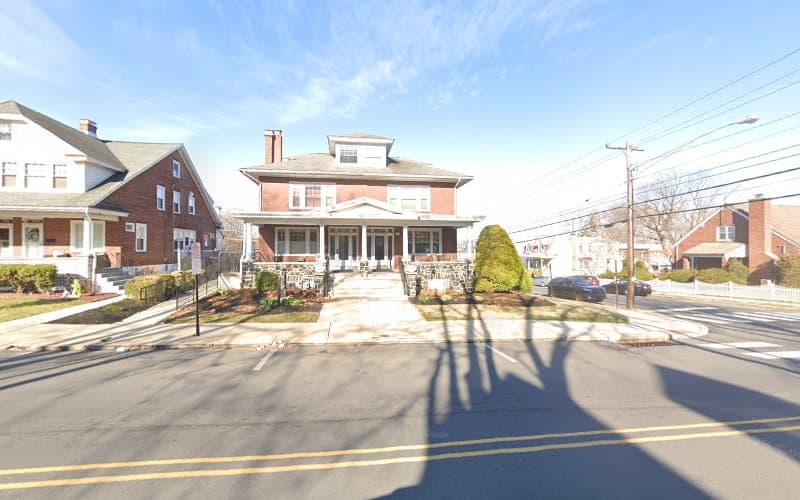
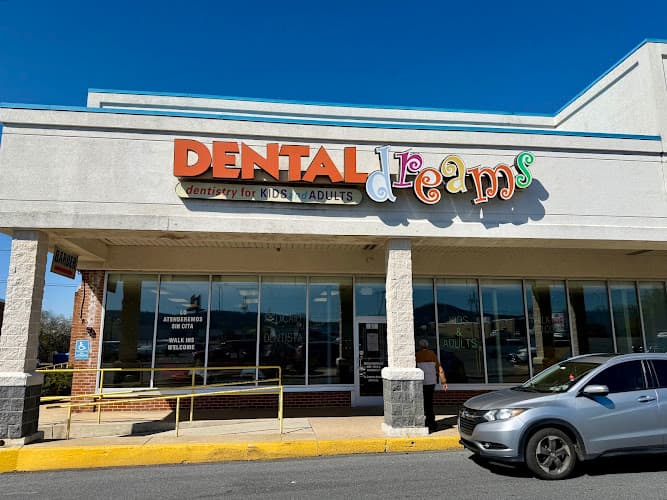
Future Location Pediatric Dental Care is a dental practice specializing in oral health services for infants, children, and adolescents. Located at 2813 North 5th Street Highway in Muhlenberg Township, Pennsylvania, the practice operates within Berks County, serving families throughout the Reading metropolitan area and surrounding communities.
As a pediatric dental facility, the practice focuses exclusively on the unique dental needs of younger patients, from the emergence of first teeth through the teenage years. Pediatric dentistry represents a distinct specialty within the dental profession, requiring additional training beyond general dentistry to address the developmental, behavioral, and clinical aspects of treating children's oral health.
Pediatric Dental Services
Pediatric dental practices typically provide a comprehensive range of services tailored to the developmental stages of childhood. While specific service offerings vary by practice, pediatric dentistry generally encompasses preventive care, diagnostic services, restorative treatments, and patient education designed for young patients and their families.
Preventive services form the foundation of pediatric dental care. These commonly include routine dental examinations, professional cleanings, fluoride treatments, and dental sealants. Sealants involve applying a protective coating to the chewing surfaces of molars to prevent decay in the grooves and pits where food particles and bacteria can accumulate. Fluoride applications strengthen tooth enamel and help prevent cavities, which remain one of the most common chronic conditions affecting children.
Diagnostic services in pediatric dentistry involve age-appropriate dental radiographs, oral examinations, and assessments of tooth development and bite alignment. Pediatric dentists monitor the transition from primary teeth to permanent teeth, identifying potential orthodontic concerns early when intervention may be simpler and more effective.
Restorative treatments address dental problems that have already developed. These may include fillings for cavities, crowns for severely damaged teeth, and in some cases, extractions when teeth cannot be saved. Pediatric practices use materials and techniques suited to primary teeth, which have different structural characteristics than permanent teeth.
The Pediatric Dental Specialty
Pediatric dentistry, also known as pedodontics, is one of the recognized dental specialties requiring additional education beyond dental school. Practitioners in this field complete residency programs lasting two to three years, during which they receive specialized training in child psychology, growth and development, behavior management, and the treatment of patients with special healthcare needs.
This specialized training equips pediatric dentists to address the distinct challenges of treating young patients. Children's dental needs differ significantly from those of adults. Primary teeth have thinner enamel and larger pulp chambers relative to their size, affecting how cavities progress and how restorations must be performed. The developing dentition requires monitoring and sometimes intervention to ensure proper alignment of permanent teeth.
Beyond clinical considerations, pediatric dental practices must create environments conducive to treating patients who may experience anxiety about dental visits. The way a child experiences early dental care can influence their attitudes toward oral health throughout their lives. Practices specializing in pediatric care typically design their facilities and procedures with this understanding in mind.
Facility Accessibility
Future Location Pediatric Dental Care maintains accessibility features for patients with mobility limitations. The facility includes a wheelchair accessible entrance, allowing patients using wheelchairs or other mobility devices to enter the building without barriers. The parking lot accommodates accessible parking, providing designated spaces near the entrance for those who need them.
Inside the facility, wheelchair accessible restroom facilities are available. These accessibility features reflect the practice's capacity to serve patients with various physical needs, including children with disabilities who may require specialized accommodations during dental visits.
The presence of comprehensive accessibility features is particularly relevant for a pediatric practice, as children with certain medical conditions or developmental disabilities may have both mobility limitations and heightened dental care needs. Some medical conditions and their treatments can affect oral health, making regular dental care especially important for these patients.
Appointment Information
The practice operates on an appointment-recommended basis. While this does not necessarily preclude walk-in visits for urgent situations, patients are advised to schedule appointments in advance. This scheduling approach is standard in dental practices, allowing for appropriate time allocation for each patient and reducing wait times.
For pediatric dental visits, scheduled appointments also allow the practice to prepare for each patient's specific needs and ensure that records are reviewed before the appointment. Parents or guardians bringing children for dental care can benefit from knowing their scheduled time, allowing them to plan around school schedules and other family commitments.
Location and Service Area
The practice is situated on North 5th Street Highway, a major thoroughfare in Muhlenberg Township. This location in Berks County places the practice within reach of families throughout the greater Reading area. Muhlenberg Township borders the city of Reading and has experienced residential growth, with families representing a significant portion of the population.
The 19605 ZIP code encompasses portions of Muhlenberg Township and provides convenient access via Route 222 and other regional roadways. The location along a commercial corridor offers practical advantages for families combining dental appointments with other errands.
The Importance of Pediatric Dental Care
Dental care during childhood serves purposes beyond treating immediate problems. The American Academy of Pediatric Dentistry recommends that children have their first dental visit by age one or within six months of the first tooth emerging. Early visits allow dentists to identify potential issues, provide guidance to parents on oral hygiene and nutrition, and establish a pattern of regular dental care.
Childhood cavities, if left untreated, can lead to pain, infection, and problems with eating, speaking, and learning. Severe dental infections can require hospitalization. Primary teeth, though temporary, serve important functions including maintaining space for permanent teeth, supporting proper speech development, and enabling adequate nutrition through proper chewing.
Preventive care during childhood can reduce the need for more extensive treatments later. Establishing good oral hygiene habits early creates patterns that often continue into adulthood. Education provided during pediatric dental visits helps children understand the importance of brushing, flossing, and making food choices that support dental health.
Visiting a Pediatric Dental Practice
Parents bringing children to a pediatric dental practice can generally expect an environment designed with young patients in mind. Waiting areas often include activities or entertainment appropriate for children. Treatment rooms may feature decor and equipment scaled for smaller patients.
Staff at pediatric practices typically have experience communicating with children at various developmental stages. Explaining procedures in age-appropriate terms, using positive reinforcement, and allowing children to become familiar with equipment before treatment begins are common approaches used to reduce anxiety and build cooperation.
For very young children or those with significant anxiety, pediatric practices may offer various behavior management techniques. These can range from simple distraction methods to, in some cases, sedation options for patients who cannot tolerate treatment while fully awake. The specific approaches available vary by practice.
Parents and guardians play an important role in pediatric dental visits. They provide health history information, help children feel comfortable, and receive guidance on home care and follow-up needs. Maintaining open communication with the dental team helps ensure that children receive appropriate care and that families understand how to support oral health at home.
Unique Details About Future Location Pediatric Dental Care
Planning
- Appointments recommended
Amenities
- Restroom
Accessibility
- Wheelchair accessible entrance
- Wheelchair accessible restroom
- Wheelchair accessible parking lot
Contact Information for Future Location Pediatric Dental Care
Muhlenberg Township, PA 19605
United States of America
County: Berks County
Customer Reviews
No reviews yet.
Working Hours / Hours of Operation
Location Map
Similar Dentists Near Muhlenberg Township, PA


BerksConnect: everything local in Berks County, PA.
8,700+ local businesses with AI-summarized reviews, plus local guides, jobs, and what's happening around the county.