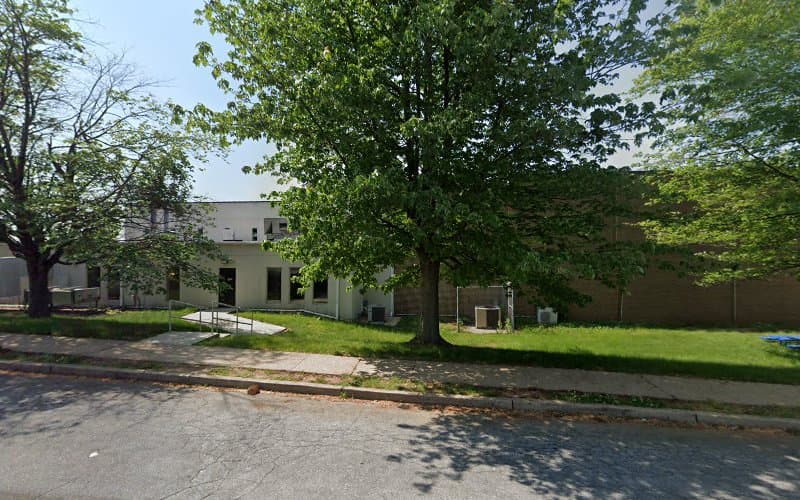
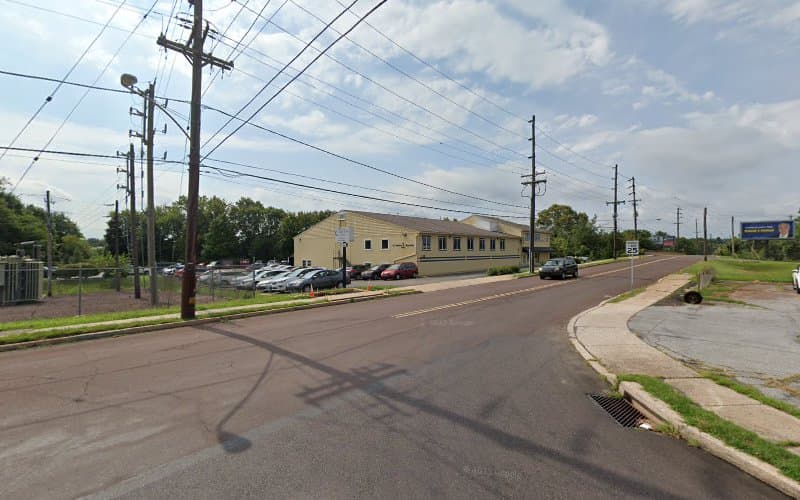
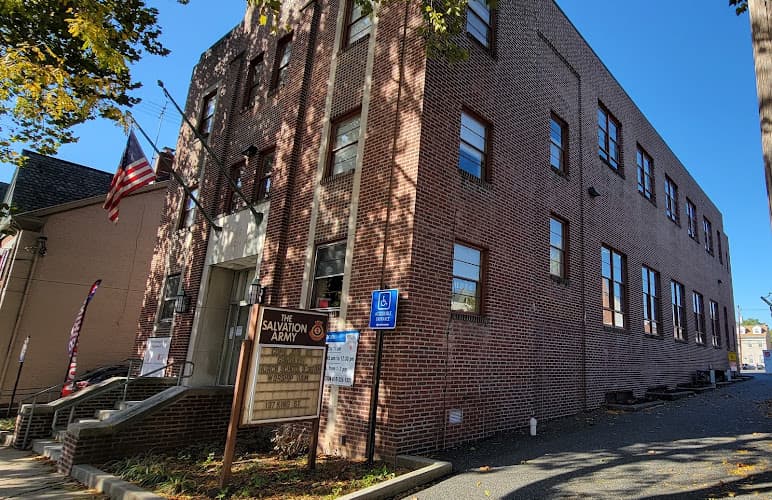
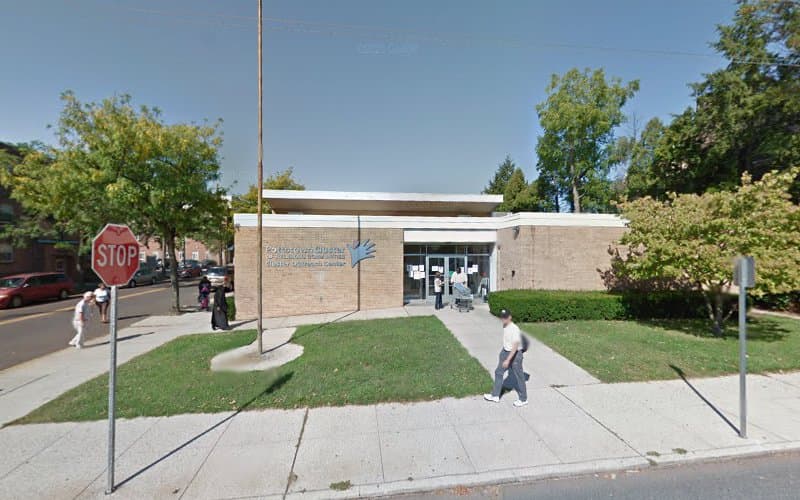
Greater Pottstown Tennis & Learning is a non-profit organization based at 724 N Adams Street in Pottstown, Pennsylvania. The organization pairs tennis instruction with academic support and youth development programming, a combined approach that distinguishes it from conventional athletic clubs and private coaching operations. Rather than functioning primarily as a competitive tennis academy, the group uses the sport as an entry point for broader work with young people in the Pottstown area, including tutoring, mentoring, character education and exposure to opportunities beyond the borough.
The organization operates under a charitable mission rather than a profit motive, which shapes how it structures fees, recruits participants and measures results. Programs of this type generally aim to remove the financial and logistical barriers that keep tennis out of reach for many families, since court time, racquets, private lessons and travel to tournaments can make the sport prohibitively expensive.
The Tennis and Learning Model
The phrase "tennis and learning" in the organization's name reflects a nationally recognized youth programming model. National Junior Tennis and Learning chapters trace their origins to an initiative launched in the late 1960s by Arthur Ashe, Charlie Pasarell and Sheridan Snyder, who saw tennis as a vehicle for reaching young people in underserved communities and connecting them with educational resources. The model spread across the United States through a network of independent local chapters, each adapted to the needs of its own city or town.
Under this framework, the on-court and off-court components are treated as equally important. A typical session might include warm-ups, drills, match play and instruction in stroke mechanics, followed or preceded by time devoted to homework help, reading, STEM activities, nutrition education or life skills discussion. The consistency of the schedule matters as much as the content, since regular attendance gives coaches and staff the chance to build relationships with participants over multiple seasons.
Programs and Activities
Youth tennis and learning organizations in this category commonly offer a range of programming across the calendar year. Elements that families in the Pottstown region may encounter include:
- Introductory tennis instruction for beginners, often using modified equipment such as lower-compression balls, shorter racquets and smaller court dimensions suited to younger players
- Progressive skill development for participants who continue in the program and want to advance toward junior competition
- Academic enrichment and homework assistance scheduled alongside court time
- Summer programming that fills gaps in the school-year calendar
- After-school sessions during the academic year
- Mentoring relationships between adult volunteers, coaches and participants
- Community events, exhibitions and open play opportunities
Because the organization is a non-profit, program availability, session length and cost structures are shaped by grant funding, donations and volunteer capacity. Families interested in specific offerings are best served by checking the organization's website at greaterpottstowntennis.org for current session schedules, registration windows and age eligibility.
Location and Service Area
The North Adams Street address places the organization in the northern section of Pottstown, a borough of roughly 23,000 residents in Montgomery County, along the Schuylkill River about 40 miles northwest of Philadelphia. Pottstown has a long industrial history rooted in iron and steel production, and in recent decades the borough and its civic organizations have invested considerable effort in youth programming, recreation and neighborhood revitalization.
The "Greater Pottstown" designation in the name signals a service area that extends past borough lines. The surrounding region includes West Pottsgrove, Lower Pottsgrove, Upper Pottsgrove, North Coventry and other nearby townships in Montgomery, Chester and Berks counties. Families from these communities are typically within a short drive of the site, and the location is accessible from Route 100, Route 422 and High Street, the main east to west corridor through the borough.
Accessibility and Practical Information
The site offers a wheelchair accessible parking lot, which is useful information for parents, grandparents and other family members who attend sessions, matches or events. Visitors with additional accessibility questions about court access, restrooms or indoor spaces should contact the organization directly through its website before a first visit.
No public telephone number is listed for the organization, so the website serves as the main point of contact. Prospective participants, volunteers and donors can generally find registration forms, program calendars, staff contact information and donation options there. Because non-profit youth programs often have limited administrative hours, response times may depend on when staff and volunteers are on site.
Who the Programs Serve
Organizations working within the tennis and learning model typically emphasize access for children who would not otherwise have a realistic path into the sport. That commonly means low participation fees, scholarship or sliding-scale options, loaner equipment and transportation coordination where possible. The intent is that a child's ability to take part does not depend on a family's income or on owning a racquet.
Participants usually range from elementary school age through high school, with different groupings by age and ability. Some youth stay involved for a single season, while others continue for years and eventually take on roles as junior coaches, camp assistants or peer mentors. That progression from participant to leader is a recurring feature of long-running NJTL-style chapters.
Community Role and Support
As a registered non-profit, Greater Pottstown Tennis & Learning depends on a mix of revenue sources that may include individual donations, corporate sponsorships, foundation grants, fundraising events and support from tennis governing bodies. Volunteers play a substantial role in programs of this kind, assisting with coaching, tutoring, equipment maintenance, event logistics and administrative tasks. Adults with tennis experience, teaching backgrounds or simply a willingness to work with young people are often welcome regardless of playing ability.
The broader value of such an organization to a community like Pottstown lies in the combination of structured after-school time, adult supervision, physical activity and academic reinforcement. Tennis itself is a sport that can be played across a lifetime, which means skills learned in youth programs remain usable well into adulthood, whether recreationally, in school competition or in community leagues.
Planning a Visit or Getting Involved
Families considering enrollment should review current program listings online, note registration deadlines and ask about equipment needs, required forms and session locations, since some programming may take place at partner courts or school facilities rather than exclusively at the North Adams Street address. Donors and volunteers can also find information about supporting the organization through the same website.