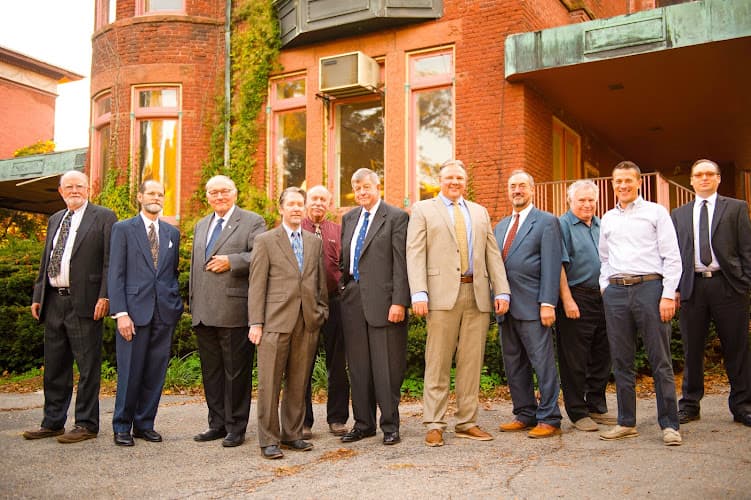
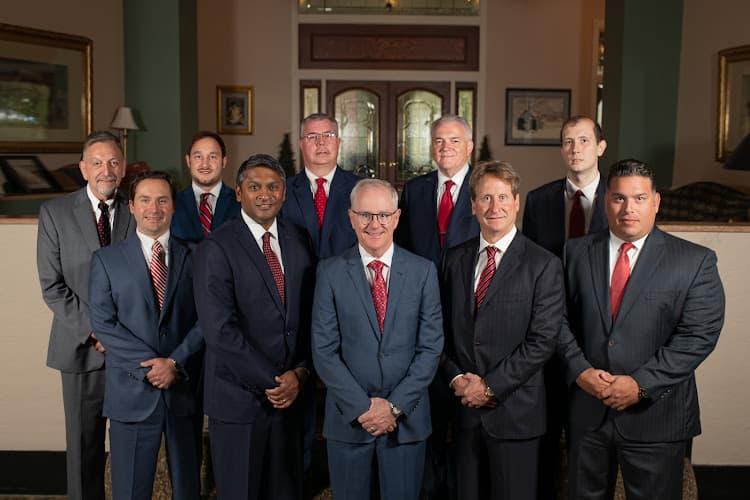
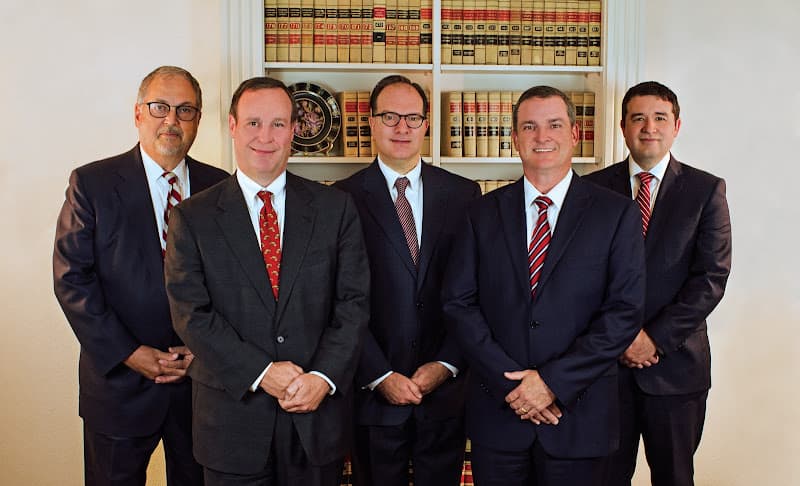
Hracho, Landis & Favinger is a law firm located at 727 Washington Street in Reading, Pennsylvania, in the city's downtown legal district a short distance from the Berks County Courthouse and the Berks County Services Center. The practice concentrates on family law, the area of civil law that deals with marriage, separation, divorce, child custody, support obligations and related domestic matters. The firm takes its name from the attorneys who practice there, and clients commonly work directly with the lawyer handling their file rather than being passed between departments.
Family law work in Pennsylvania is handled at the county level, which means local knowledge matters a great deal. Procedures, scheduling practices, conciliation conferences and the expectations of individual judges and hearing officers vary from one judicial district to the next. A Reading firm that appears regularly in Berks County Court of Common Pleas brings familiarity with those local rules and with the custody conciliators, support officers and masters who handle much of the day to day work in domestic relations cases.
Areas of Practice
Family law covers a wide range of situations, most of them arriving at a difficult moment in a person's life. The matters typically handled by a firm of this kind include:
- Divorce, including both no fault divorce and contested matters where the parties cannot agree on terms
- Equitable distribution of marital property, which in Pennsylvania covers assets and debts acquired during the marriage, including real estate, retirement accounts, business interests and vehicles
- Child custody, covering legal custody (decision making authority) and physical custody (where a child lives), along with custody modifications and relocation requests
- Child support and spousal support, including the calculation of income, the application of the Pennsylvania support guidelines and petitions to modify existing orders
- Alimony and alimony pendente lite, the support paid while a divorce is pending
- Prenuptial and postnuptial agreements
- Marital settlement agreements and property settlement agreements negotiated outside of a courtroom
- Protection from Abuse matters, which move on an expedited schedule in Pennsylvania courts
- Grandparent and third party custody rights
- Paternity matters and related support questions
Many family law cases involve more than one of these issues at once. A single divorce file can carry custody, support, property division and the division of a retirement plan, each on its own timeline. Part of what a family law attorney does is sequence those pieces so that the urgent matters, usually custody and immediate support, are addressed first while the longer financial questions are worked out.
How Family Law Cases Typically Proceed in Berks County
Clients who have never been through the court system often want to know what the process looks like. In Pennsylvania, a divorce begins with a complaint filed with the Prothonotary. If both parties consent, a no fault divorce can be finalized after a statutory waiting period, provided all economic issues are resolved or reserved. If the parties do not agree, the case may proceed through discovery, where financial records and other information are exchanged, and then to conciliation or a hearing before a divorce master.
Custody cases usually begin with a complaint followed by a conciliation conference, an informal session where a conciliator works with both sides to reach an agreement. Cases that do not settle move on to a hearing before a judge, who decides based on the statutory custody factors, all of which center on the best interests of the child. Support cases run through the Domestic Relations Section, starting with a conference where guideline calculations are applied to the parties' incomes.
An attorney's role shifts depending on the stage. Early on it is often about gathering documents, explaining options and setting realistic expectations. Later it may involve negotiation, drafting agreements or presenting evidence at a hearing. Many family matters resolve by agreement, and a well drafted settlement can save considerable time and expense compared with a contested trial.
Working With the Firm
Appointments are recommended, and calling ahead at 610-373-6710 is the most direct way to arrange an initial consultation. Prospective clients are generally asked to describe the nature of the matter so the firm can confirm there is no conflict of interest, which is a routine step in family law where both spouses or both parents may have approached the same local firms.
It helps to bring relevant paperwork to a first meeting. Depending on the matter, that might include any court orders already in place, custody schedules, recent pay stubs or tax returns, deeds or mortgage statements, retirement account statements, and any correspondence from the other party or their lawyer. The more complete the picture at the outset, the more specific the guidance an attorney can give.
Clients should also come prepared to talk about goals. Family law outcomes are rarely a simple win or loss. A parent may care most about a particular holiday schedule, or about keeping children in the same school district. A spouse may prioritize staying in the marital home over a larger share of a retirement account. Identifying those priorities early shapes the entire strategy of a case.
Location, Access and Practical Details
The Washington Street location places the office within walking distance of the courthouse complex, which is convenient on days when a client needs to meet before a conference or hearing. Downtown Reading is served by BARTA bus routes, and metered street parking and public garages are available nearby.
The office includes a restroom for client use. Accessibility features include a wheelchair accessible restroom and a wheelchair accessible parking lot, so clients with mobility needs can reach the office without difficulty. Anyone with specific access questions, or who needs assistance arranging a meeting time, can raise it when scheduling by phone.
Who the Firm Serves
The practice draws clients from Reading and the surrounding Berks County communities, including Wyomissing, Shillington, Exeter Township, Muhlenberg Township, Sinking Spring, Kutztown, Boyertown, Hamburg and the smaller boroughs across the county. Because family law is county based, residents of Berks generally file their matters in Reading regardless of which municipality they live in, which makes a downtown office a practical choice for much of the region.
Family law matters are personal by nature, and the pace of a case can feel slow to someone living through it. Having a local firm that knows the county's procedures, deadlines and filing requirements gives clients a clearer sense of what to expect and when. For questions about representation, availability or scheduling a consultation, the office can be reached by phone at 610-373-6710.