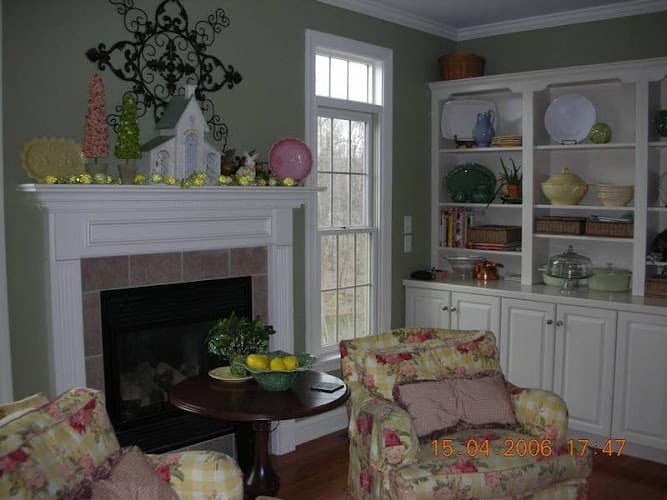
Interior Design by Anastasia
Interior Design by Anastasia in Annville, PA specializes in crafting personalized interior spaces, transforming homes with creative design solutions.
About Interior Design by Anastasia
Overview
Interior Design by Anastasia is a professional interior design firm based in Annville, Pennsylvania. Operating from 18 Hartford Drive, the business serves clients in Lebanon County and the surrounding Central Pennsylvania region. The firm provides residential and commercial interior design services, helping property owners transform their spaces through professional design consultation, space planning, and aesthetic coordination.
Location and Service Area
Annville is a small borough in Lebanon County, Pennsylvania, situated approximately 90 miles west of Philadelphia and roughly 25 miles east of Harrisburg, the state capital. The community is home to Lebanon Valley College and maintains a mix of historic architecture and modern development. Interior Design by Anastasia's location in this central Pennsylvania setting positions the firm to serve clients throughout Lebanon County as well as neighboring areas including Hershey, Palmyra, Cleona, and the greater Harrisburg metropolitan region.
The business maintains a physical location with accessible facilities, including wheelchair accessible parking, making it accommodating for clients with mobility considerations who wish to visit for consultations or design meetings.
Interior Design Services
As a professional interior design practice, Interior Design by Anastasia typically offers the range of services associated with residential and commercial interior design work. Interior designers in this field generally provide assistance with several key aspects of creating functional and aesthetically pleasing interior spaces.
Design consultation forms the foundation of most interior design projects. This process involves meeting with clients to understand their vision, lifestyle requirements, functional needs, and aesthetic preferences. Through these discussions, designers develop a comprehensive understanding of how spaces will be used and what atmosphere clients wish to create.
Space planning represents another core component of interior design work. This discipline involves analyzing the dimensions and architectural features of a room or building and developing layouts that optimize traffic flow, functionality, and visual balance. Effective space planning considers factors such as natural light sources, existing architectural elements, furniture placement, and the practical activities that will occur in each area.
Color consultation helps clients select paint colors, fabric hues, and finish tones that work harmoniously together while achieving the desired mood for each space. Color theory and an understanding of how different shades interact under various lighting conditions inform these recommendations.
Material and finish selection encompasses choosing flooring, wall treatments, window coverings, countertops, cabinetry, and other permanent or semi-permanent elements that define a space's character. Interior designers maintain knowledge of available products, their durability characteristics, maintenance requirements, and aesthetic properties.
Furniture selection and arrangement involves identifying pieces that fit both the physical dimensions of a space and the stylistic direction of the overall design. This may include sourcing furniture from various manufacturers, recommending custom pieces, or working with existing furniture that clients wish to retain.
Accessory and art selection adds the finishing layers to interior spaces. This includes choosing decorative objects, artwork, plants, lighting fixtures, and textiles that complete a room's design and reflect the personality of its occupants.
The Interior Design Process
Professional interior design typically follows a structured process that moves from initial concept through final installation. While specific approaches vary among practitioners, most design projects progress through several distinct phases.
The programming phase involves gathering information about the client's needs, preferences, budget, and timeline. Designers may conduct interviews, distribute questionnaires, and visit the project site to assess existing conditions and take measurements.
Concept development follows, during which designers create preliminary ideas for the space. This may involve mood boards, sketches, or digital renderings that communicate the proposed direction. Clients review these concepts and provide feedback that shapes subsequent refinements.
Design development transforms approved concepts into detailed plans. This phase produces specifications for materials, finishes, furniture, and accessories. Designers may create floor plans, elevations, and three-dimensional visualizations to help clients understand how the finished space will appear.
Procurement involves ordering materials, furniture, and accessories according to the approved design plan. Designers often coordinate with vendors, track orders, and manage delivery logistics.
Installation represents the final phase, during which all elements come together in the physical space. Designers may oversee furniture placement, accessory arrangement, and final styling to ensure the completed project matches the intended design.
Residential Interior Design
Residential interior design addresses the unique considerations of private homes and living spaces. This work may encompass entire home design for new construction or renovation projects, or focus on individual rooms such as kitchens, bathrooms, living areas, bedrooms, or home offices.
Kitchen design involves coordinating cabinetry, countertops, appliances, lighting, and flooring while ensuring efficient workflow between cooking, preparation, and cleanup zones. Bathroom design addresses similar coordination of fixtures, surfaces, storage, and lighting within spaces that must accommodate moisture and specific functional requirements.
Living spaces such as family rooms, formal living rooms, and dining areas present opportunities to express personal style while creating comfortable environments for daily activities and entertaining. Bedroom design focuses on creating restful retreats that support relaxation and sleep.
Home office design has become increasingly relevant as remote work arrangements have grown more common. These spaces require attention to ergonomics, lighting for video conferencing, acoustic considerations, and storage for work materials.
Commercial Interior Design
Commercial interior design addresses the needs of businesses, organizations, and public spaces. This work considers factors such as brand identity, customer experience, employee productivity, and compliance with commercial building codes and accessibility requirements.
Office design creates productive work environments that support various work styles and activities. Modern office design often incorporates flexible spaces that can accommodate collaboration, focused individual work, and informal interaction.
Retail design shapes customer experiences and supports merchandising objectives. Effective retail interiors guide customer flow, highlight products, and reinforce brand identity.
Hospitality design serves restaurants, hotels, and entertainment venues, creating atmospheres that enhance guest experiences and support operational efficiency.
Working with an Interior Designer
Engaging an interior designer offers several potential benefits for property owners undertaking renovation or decoration projects. Designers bring professional training and experience to spatial challenges, potentially avoiding costly mistakes that can occur when making design decisions without specialized knowledge.
Access to trade resources represents another advantage of working with professional designers. Many furniture manufacturers, fabric houses, and accessory vendors sell exclusively or preferentially to design professionals, providing access to products not available through retail channels.
Time savings result from delegating research, sourcing, and coordination tasks to a professional. Designers manage the numerous details involved in completing interior projects, allowing clients to focus on other priorities.
Interior design fees may be structured in various ways, including hourly rates, flat fees for defined projects, percentage of total project cost, or cost-plus arrangements where designers purchase items at trade prices and add a markup. Prospective clients should discuss fee structures during initial consultations to understand the financial aspects of engaging design services.
Contact Information
Interior Design by Anastasia can be reached by telephone at +1 717-838-0860. Additional information about the firm's services, portfolio, and approach is available through the business website. Prospective clients interested in design services may contact the firm to discuss their projects and arrange initial consultations.
Unique Details About Interior Design by Anastasia
Accessibility
- Wheelchair accessible parking lot
Contact Information for Interior Design by Anastasia
Annville, PA 17003
United States of America
County: Lebanon County
Phone: +1 717-838-0860
Website: Visit Website
Customer Reviews
5.0 out of 5 stars
Based on 2 reviews
Review data
5 star reviews
- 100%
4 star reviews
- 0%
3 star reviews
- 0%
2 star reviews
- 0%
1 star reviews
- 0%
Working Hours / Hours of Operation
- Monday:
- 8AM-5PM
- Tuesday:
- 8AM-5PM
- Wednesday:
- 8AM-5PM
- Thursday:
- 8AM-5PM
- Friday:
- 8AM-5PM
- Saturday:
- Closed
- Sunday:
- Closed
Location Map
Similar Interior Designers Near Annville, PA

BerksConnect: everything local in Berks County, PA.
8,700+ local businesses with AI-summarized reviews, plus local guides, jobs, and what's happening around the county.