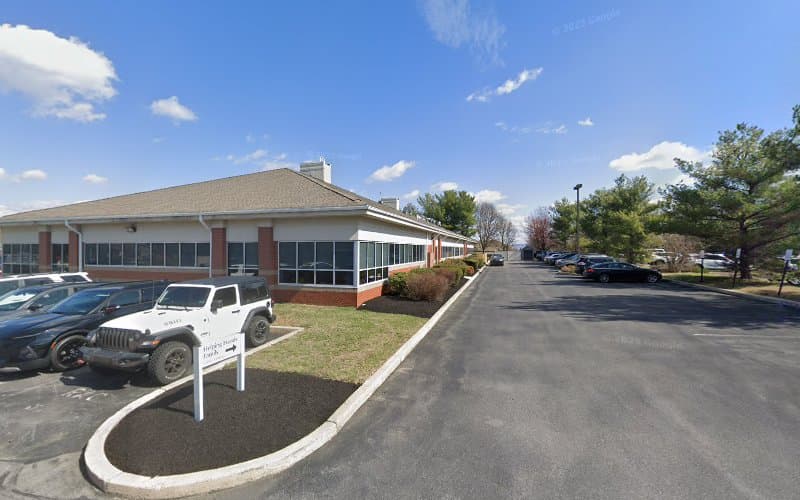
Keystone Spine & Dr O is a physician practice in Wyomissing, Pennsylvania, located at 2607 Keiser Blvd, Suite 200, in the Spring Ridge corridor of western Berks County. The practice concentrates on the diagnosis and treatment of conditions affecting the spine, including the neck, mid back and lower back, and works with patients across the Reading area and the surrounding counties. The office can be reached by phone at +1 484-509-0840.
Spine care sits at the intersection of several medical specialties, and practices of this kind typically bring together surgeons, non-surgical spine physicians, physician assistants and certified registered nurse practitioners under one roof. That structure allows a patient with back or neck pain to be evaluated, imaged, treated conservatively and, if necessary, referred for a surgical consultation without having to assemble a care team from scratch across multiple unrelated offices. Patients of this practice have described working with both surgical and non-surgical providers, as well as nurse practitioner staff who manage ongoing treatment plans between physician visits.
Conditions Commonly Treated
Spine specialty practices generally see a wide range of complaints, from short term injuries to long standing degenerative conditions. Issues that commonly bring patients to an office of this type include:
- Herniated, bulging or ruptured discs in the cervical and lumbar spine
- Sciatica and other forms of radiating nerve pain into the arms or legs
- Spinal stenosis, or narrowing of the spinal canal
- Degenerative disc disease and arthritis of the facet joints
- Spondylolisthesis and other alignment problems
- Chronic neck and lower back pain that has not responded to rest or primary care management
- Work related and motor vehicle injuries affecting the spine
- Compression fractures and pain related to osteoporosis
- Persistent pain following a previous spine surgery
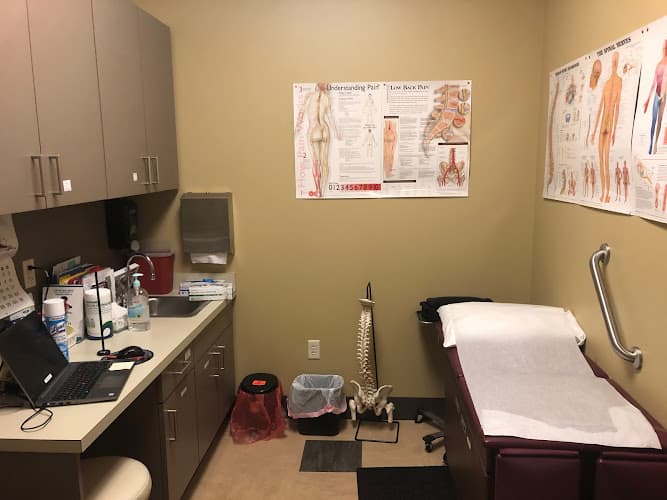
Evaluation usually begins with a detailed history, a physical and neurological examination, and a review of any existing imaging such as X-rays, MRI or CT scans. From there, a provider can determine whether the source of pain is mechanical, nerve related or a combination, which in turn shapes the treatment plan.
Treatment Approaches
Most spine problems are managed without an operation. Conservative care may involve activity modification, prescribed physical therapy, anti inflammatory or neuropathic medication, bracing and home exercise programs. When pain persists, interventional procedures are often the next step. These are image guided injections performed with fluoroscopy or ultrasound and are used both to relieve pain and to help pinpoint which structure is generating it. Procedures of this type frequently include:
- Epidural steroid injections, delivered by interlaminar, transforaminal or caudal approach
- Facet joint injections and medial branch nerve blocks
- Radiofrequency ablation for facet related pain
- Sacroiliac joint injections
- Selective nerve root blocks for diagnostic purposes
- Trigger point injections for muscular pain
When surgery is indicated, spine surgeons perform procedures ranging from minimally invasive decompression to more complex reconstruction. Discectomy, the removal of herniated disc material pressing on a nerve, is among the most frequently performed spine operations and is often done through a small incision with a short recovery. Other operations include laminectomy for stenosis, cervical and lumbar fusion, disc replacement in selected cases, and revision surgery for patients whose symptoms have returned. A hallmark of a well run spine practice is that surgery is presented as one option among several, with a clear explanation of what the procedure involves, what the recovery looks like and what results are realistic. Patients here have described receiving that kind of detailed walkthrough before committing to an operation.
The Care Team and Coordination
Day to day care in a spine office is shared among several roles. Surgeons handle operative consultations and procedures. Non-surgical spine and pain management physicians handle injections, medication management and conservative plans. Certified registered nurse practitioners and physician assistants carry a significant share of follow up visits, symptom tracking and treatment adjustments, and they are often the providers patients see most often over the course of a year. Behind the clinical staff, an insurance and authorization team handles the prior approvals that many spine procedures and imaging studies require, and scheduling staff coordinate appointments at affiliated surgical and procedure facilities. Patients have noted that returned phone calls and pharmacy follow up are handled by this support staff.
Location and Access
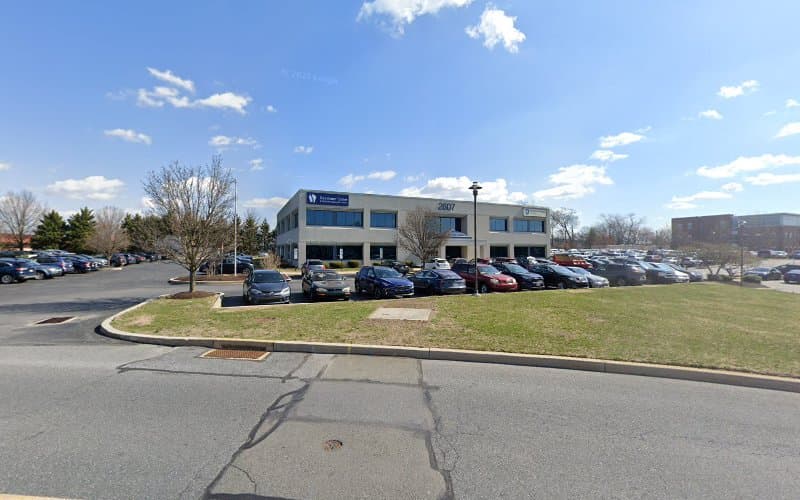
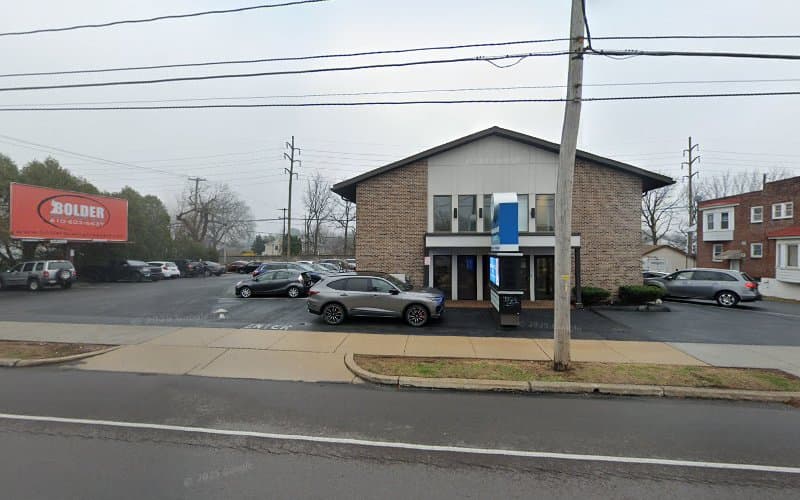
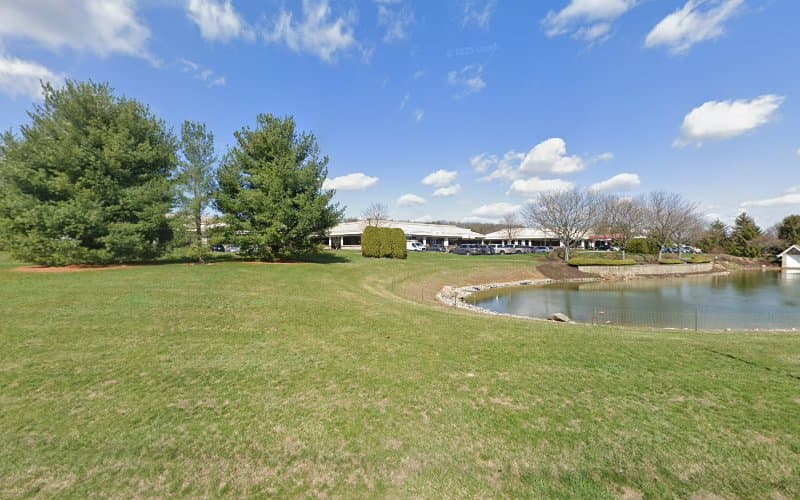
Keiser Boulevard runs through a commercial and medical office area of Wyomissing that is easily reached from Route 422 and the Paper Mill Road and Broadcasting Road interchanges, placing the office within a short drive of Reading, Sinking Spring, Shillington, West Lawn, Spring Township and Exeter. The suite is on the second floor of the building, and there is on site parking including wheelchair accessible spaces. The entrance and the restroom facilities are wheelchair accessible, which matters for a practice where many patients arrive with limited mobility, walkers, canes or post operative restrictions.
Planning a Visit
Appointments are recommended rather than walk in. Calling ahead allows the office to confirm insurance coverage, request records and schedule enough time for a new patient evaluation, which usually runs longer than a follow up. Patients preparing for a first visit generally find it helpful to bring:
- A photo ID and current insurance card
- A referral if the insurance plan requires one
- Copies of or access to any prior imaging, including discs and written reports
- A list of current medications and doses
- Notes on prior treatments tried, such as physical therapy, chiropractic care, injections or surgery
- A written summary of when symptoms began, what makes them better or worse, and how they affect daily activity
Because spine clinics manage both scheduled consultations and patients in acute pain who need to be worked in, appointment timing can vary on a given day. Patients with procedures scheduled should ask in advance about fasting instructions, medication holds, particularly blood thinners, and whether a driver will be required afterward. Questions about billing, authorizations and procedure scheduling can be directed to the office by phone.