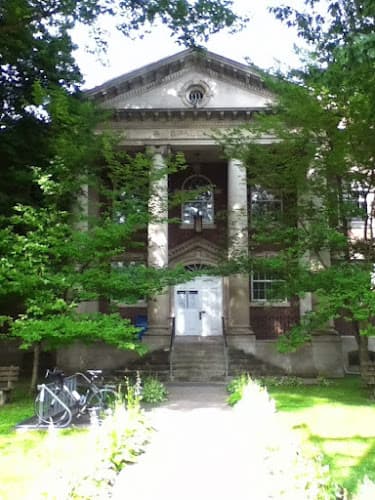
Museum
Tioga Point Museum
4.7(41)Athens
Tioga Point Museum in Athens, Pennsylvania, offers intriguing exhibits that delve into local history and cultural heritage.
LeRoy Heritage Museum in Canton, Pennsylvania showcases the rich local history through engaging exhibits and well-curated collections.
This staff member is specifically named and praised for his engaging storytelling abilities, suggesting he creates memorable, personalized experiences for visitors.
Matt Carl is informative and a good story teller.
The Barclay Mountain content resonates deeply with visitors, particularly those with personal heritage connections, indicating this collection has special emotional significance.
Beautiful museum with lots on local history including Barclay Mountain...
I am a descendant of Barclay Mountain. These folks are the caretakers of my heritage and doing a fine job at it.
Customers consistently praise the museum's comprehensive coverage of Bradford County's local history, appreciating the depth and variety of historical content available.
Beautiful museum with lots on local history including Barclay Mountain, Laquin, Sunfish Pond, Canton, and Leroy.
Great place to see the history of Bradford County.
Visitors highlight the welcoming, knowledgeable, and helpful nature of the museum staff and tour guides.
Knowledgeable and helpful tour guides, we had a great experience.
Very friendly staff
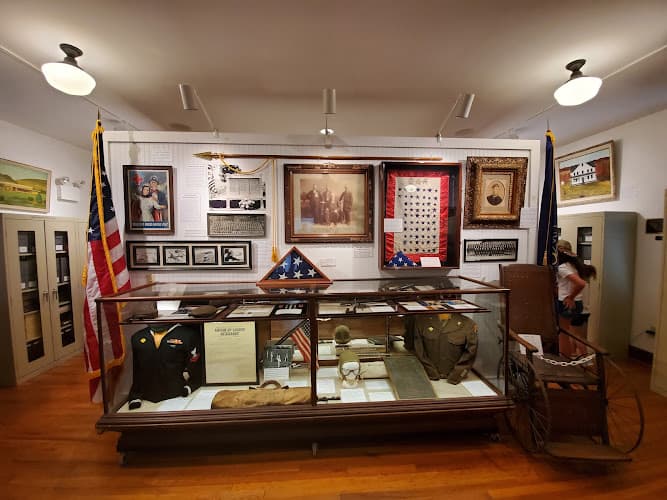
Customers appreciate the extensive collection of artifacts and how thoughtfully they are organized and displayed.
A wonderful collection of local artifacts. They are arranged by type. Very well done.
Lots and lots of historical items on display.
While the museum is described as smaller or quaint, visitors find it charming and note it effectively maximizes its space to deliver an informative experience.
Quaint but very informative museum. They pack a lot of history in a smaller 2 floor space.
Nice museum, for some local info.
The LeRoy Heritage Museum operates as a regional history institution located along State Route 414 in Canton, Pennsylvania. The museum serves as a repository for the historical record of Bradford County and the surrounding communities of north-central Pennsylvania, with particular emphasis on the townships, settlements, and industries that shaped this rural region of the state.
The facility houses collections documenting the history of several distinct communities and geographic areas, including LeRoy Township, Canton, Barclay Mountain, Laquin, and Sunfish Pond. This geographic scope reflects the interconnected nature of small communities in Bradford County, where the histories of neighboring townships often overlap through shared industries, family connections, and economic development patterns.
The museum maintains extensive holdings of local artifacts organized by category and type. The collection approach emphasizes breadth of coverage, with materials spanning multiple eras of regional development. Visitors encounter displays covering the various phases of settlement and industry that characterized Bradford County from its early European colonization through the twentieth century.
Among the museum's notable holdings are materials related to Barclay Mountain, a geographic and historical feature of particular significance to the region. The Barclay Mountain collection holds genealogical and heritage value for descendants of families who lived and worked in that area, making the museum a resource for those researching family history connected to this part of Pennsylvania.
The Laquin collection documents another distinct community within the museum's scope. Laquin, like many small settlements in Bradford County, experienced cycles of growth and decline tied to the extraction industries and agricultural practices of different periods. The museum preserves records and objects from these communities that might otherwise be lost as physical structures deteriorate and populations disperse.
Sunfish Pond and Canton also feature prominently in the museum's holdings, rounding out a comprehensive picture of life across multiple townships and settlements. This multi-community approach distinguishes the institution from single-focus historical societies, allowing visitors to understand the broader regional context rather than viewing communities in isolation.
The museum occupies a two-story building that makes efficient use of its available space. The interior organization follows a systematic approach, with artifacts grouped by type or subject matter rather than scattered randomly. This curatorial methodology allows visitors to trace themes across the collection and make connections between related objects and time periods.
The facility includes on-site parking for visitors arriving by automobile, which represents the primary mode of transportation to this rural location. Restroom facilities are available on the premises. The building does not include a restaurant or food service operation, so visitors planning extended stays should make arrangements accordingly.
Accessibility features have been incorporated into the facility design. The entrance accommodates wheelchair users, and accessible restroom facilities are available. The parking area includes designated accessible spaces, allowing visitors with mobility limitations to access the building without difficulty.
The museum offers guided tours conducted by staff members who provide context and narrative around the displayed materials. These tours move beyond simple object identification to incorporate storytelling elements that bring historical periods and personalities to life. The interpretive approach transforms static displays into engaging accounts of how people actually lived, worked, and interacted in Bradford County's past.
The facility has demonstrated suitability for hosting group events, including family reunions and similar gatherings. For families with roots in Bradford County or the specific communities documented in the collection, the museum provides a meaningful setting for reconnecting with heritage while surrounded by artifacts from ancestral communities. This event hosting capability extends the museum's function beyond individual visits to serve as a gathering place for heritage-focused occasions.
The museum welcomes visitors of all ages, with content and presentation suitable for children. Families visiting the area or seeking educational activities will find the museum appropriate for multi-generational groups.
Bradford County occupies a position in Pennsylvania's Northern Tier, a region characterized by forested hills, agricultural valleys, and a history shaped by lumber extraction, coal mining, and farming. The county seat at Towanda lies to the east, while Canton serves as the commercial center for the western portion of the county.
The communities documented by the LeRoy Heritage Museum reflect the settlement patterns common to this part of Pennsylvania. Small villages and townships developed around available resources, whether timber stands, coal seams, or arable land. Many of these communities experienced their peak populations in the late nineteenth or early twentieth century before declining as extractive industries exhausted local resources and residents relocated to urban areas for employment.
This demographic history makes institutions like the LeRoy Heritage Museum particularly valuable for preserving records of communities that no longer exist in their original form. The museum serves as a custodian for materials that document ways of life now passed, maintaining connections between contemporary residents and their predecessors on the same landscape.
The museum's address at 10097 State Route 414 places it along a primary north-south route through Bradford County. State Route 414 connects the region to larger transportation corridors, making the museum accessible to travelers passing through as well as destination visitors specifically seeking the facility.
Canton, Pennsylvania, the nearest community of significant size, provides basic services for visitors including fuel, food, and lodging options. The museum's location in LeRoy Township places it in a rural setting characteristic of much of Bradford County, where open land and forest predominate over developed areas.
Visitors can contact the museum by telephone at the listed number. Given the rural location and the nature of small museum operations, confirming hours of operation before visiting is advisable, particularly for those traveling significant distances.
The LeRoy Heritage Museum functions within the broader network of local historical societies and museums that preserve Pennsylvania's diverse regional histories. While major metropolitan museums focus on nationally significant collections, institutions like the LeRoy Heritage Museum maintain the granular historical record of specific places and communities that would otherwise lack documentation.
For genealogists, local historians, and residents seeking to understand the development of Bradford County, the museum provides primary source materials and curated presentations not available elsewhere. The institution's role extends beyond passive preservation to active interpretation, helping visitors understand not just what objects exist but what they reveal about past lives and communities.
The museum's collection of local history materials positions it as a research resource as well as a visitor attraction. Those with family connections to the documented communities may find records, photographs, or artifacts directly relevant to their ancestry, making the museum a destination for heritage tourism and genealogical research in addition to general historical interest.
County: Bradford County
Phone: +1 570-364-5003
Website: Visit Website
4.8 out of 5 stars
Based on 20 reviews
5 star reviews
4 star reviews
3 star reviews
2 star reviews
1 star reviews
Museum
Tioga Point Museum in Athens, Pennsylvania, offers intriguing exhibits that delve into local history and cultural heritage.