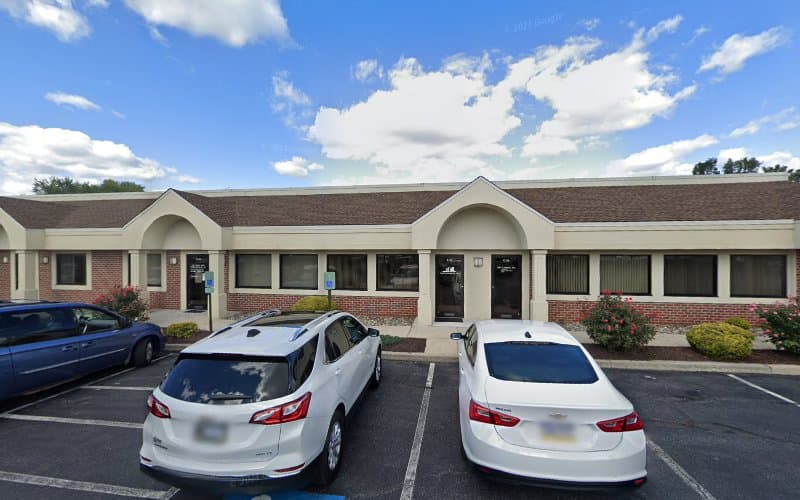
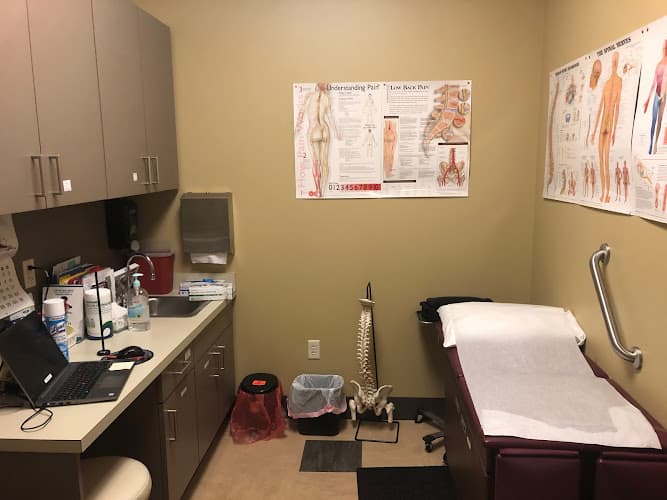
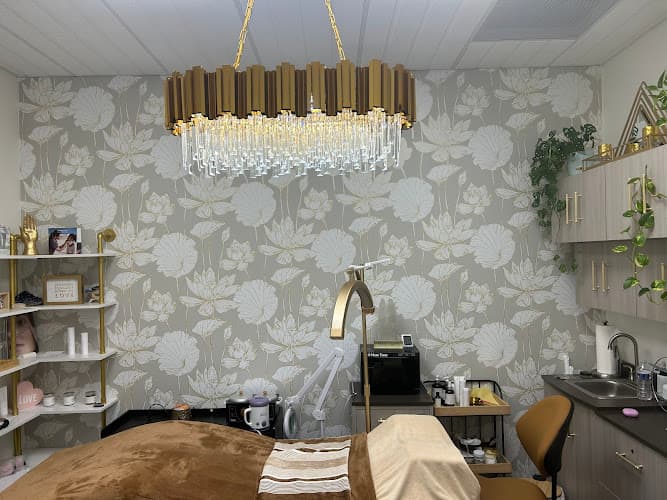
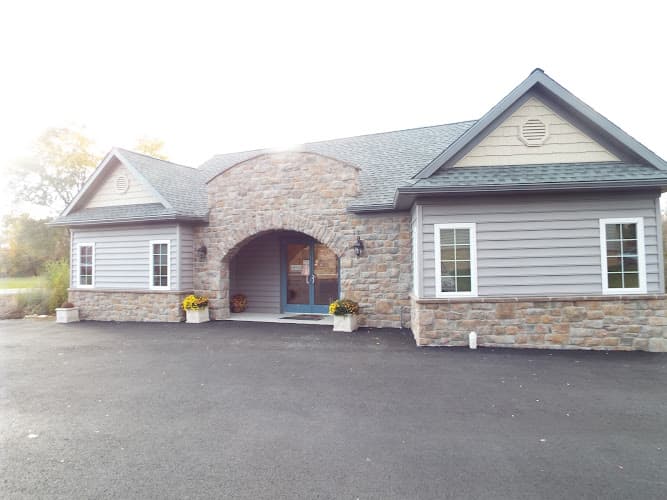
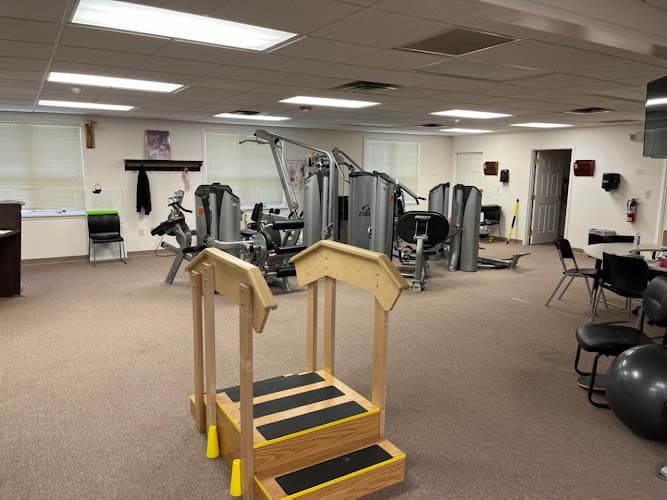
Life Growth Marriage and Family Center operates as a professional counseling practice located in Leesport, Pennsylvania. The center provides therapeutic services focused on relationship dynamics, family systems, and personal development. Situated in Berks County, the practice serves individuals, couples, and families seeking mental health support and guidance through various life challenges.
Services and Therapeutic Focus
As indicated by its name, Life Growth Marriage and Family Center specializes in marriage counseling and family therapy. These therapeutic modalities address the complex interpersonal dynamics that exist within intimate relationships and family units. Marriage counseling typically involves working with couples to improve communication patterns, resolve conflicts, rebuild trust after difficult experiences, and strengthen emotional connections. Family therapy examines the relationships and behavioral patterns among family members, often addressing issues that affect the entire household system rather than focusing solely on individual concerns.
The practice likely employs licensed marriage and family therapists, a distinct category of mental health professionals who receive specialized training in systemic therapy approaches. These practitioners view individual challenges within the broader context of relationships and family structures, recognizing that personal struggles often interconnect with relational dynamics. This perspective differentiates marriage and family therapy from other counseling approaches that may focus primarily on individual psychology.
Beyond couples and family work, counseling centers of this type commonly offer individual therapy services as well. Personal growth and development, as suggested in the business name, encompasses a broad range of therapeutic goals including managing anxiety and depression, processing grief and loss, navigating major life transitions, developing healthier coping mechanisms, and building self-awareness. The integration of individual and relational therapy under one practice allows for comprehensive treatment approaches when clients present with interconnected personal and relationship concerns.
Location and Accessibility
The center maintains its office at 5 South Centre Avenue in Leesport, a borough in Berks County, Pennsylvania. Leesport is a small community located approximately seven miles north of Reading, the county seat. The borough sits along the Schuylkill River and maintains a population of roughly 2,000 residents. However, counseling practices in smaller communities typically draw clients from surrounding areas, and the center likely serves individuals and families throughout Berks County and neighboring regions.
The location offers wheelchair accessible parking, making the facility more readily available to clients with mobility limitations. This accessibility consideration reflects awareness of the diverse needs of individuals seeking mental health services. The office includes restroom facilities for client use during appointments.
The practice operates on an appointment basis, with scheduling recommended prior to visiting. This structure is standard for counseling services, as therapy sessions require dedicated time blocks and private meeting space. Prospective clients can reach the center by phone at 484-578-9796 to inquire about services and schedule initial consultations.
The Role of Marriage and Family Counseling
Marriage and family therapy emerged as a distinct mental health discipline during the mid-twentieth century, developing from the recognition that individual psychological functioning cannot be fully understood in isolation from significant relationships. The field draws on systems theory, which examines how components of any system interact and influence one another. Applied to families and couples, this framework suggests that changes in one family member affect all other members, and that relationship patterns often perpetuate across generations.
Common issues addressed in marriage counseling include communication difficulties, conflicts over finances or parenting approaches, infidelity and trust violations, intimacy concerns, and the challenges of blending families after divorce or remarriage. Couples may also seek counseling during major transitions such as becoming parents, dealing with illness, or adjusting to retirement. Some couples pursue premarital counseling to establish strong foundations before entering marriage.
Family therapy addresses a similarly broad range of concerns. Parents may seek guidance in managing behavioral issues with children or adolescents. Families might work through the impact of a member's mental health condition, substance use, or chronic illness. Divorce and custody transitions, sibling conflicts, and caregiving responsibilities for aging parents represent additional areas where family counseling provides support. Some families engage in therapy following traumatic events to process their experiences collectively.
Therapeutic Process and Expectations
Individuals considering counseling services often wonder what to expect from the therapeutic process. Initial sessions typically involve assessment and information gathering, during which the therapist seeks to understand the presenting concerns, relevant history, and goals for treatment. For couples and families, this may include meeting with the unit together as well as individual sessions with each participant.
Following assessment, the therapist and clients collaboratively develop a treatment plan outlining the focus areas and approaches for ongoing work. Session frequency varies based on need and circumstances, though weekly appointments are common during active treatment phases. The duration of therapy depends on the complexity of issues being addressed and the progress achieved toward established goals.
Marriage and family therapists employ various theoretical orientations and intervention techniques. Some practitioners emphasize examining historical patterns and their influence on current functioning. Others focus primarily on present-day interactions and developing practical skills for improved communication and conflict resolution. Many therapists integrate multiple approaches based on what best serves each unique client situation.
Confidentiality and Professional Standards
Mental health counseling operates under strict confidentiality protections, with therapists bound by ethical codes and legal requirements regarding the privacy of client information. In Pennsylvania, licensed counselors must maintain confidentiality except in specific circumstances defined by law, such as when there is risk of harm to the client or others. These protections create a safe environment for clients to discuss sensitive personal and relational matters openly.
Licensed marriage and family therapists in Pennsylvania must meet educational requirements including graduate-level training in marriage and family therapy, complete supervised clinical experience, and pass a national licensing examination. Ongoing continuing education requirements ensure practitioners remain current with developments in the field.
Seeking Mental Health Support
The decision to pursue counseling represents a significant step for many individuals and families. Mental health services provide structured support for addressing challenges that may feel overwhelming or intractable when faced alone. Professional guidance can offer new perspectives, teach practical skills, and facilitate conversations that might otherwise remain stuck in unproductive patterns.
Life Growth Marriage and Family Center represents one option for those in the Berks County area seeking therapeutic support for personal growth, relationship concerns, or family challenges. Prospective clients are encouraged to contact the practice directly to discuss their specific needs and determine whether the services offered align with their circumstances and goals.