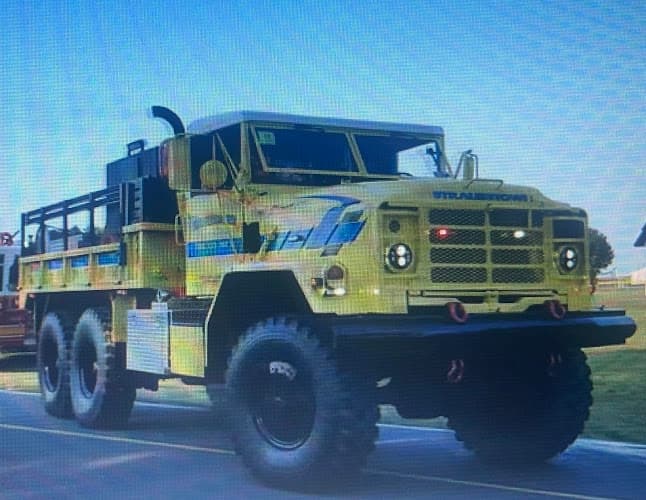
Marion Fire Company of Stouchsburg Station 52 operates as a volunteer fire department serving the rural communities along the Conrad Weiser Parkway corridor in Berks County, Pennsylvania. Located at 4127 Conrad Weiser Parkway in Womelsdorf, the station functions as an essential emergency response resource for an area characterized by agricultural land, residential properties, and limited municipal water infrastructure typical of Pennsylvania's rural townships.
The fire company operates under the volunteer fire service model that has defined Pennsylvania's approach to fire protection for over a century. Unlike career fire departments staffed by paid firefighters, Station 52 relies on community members who respond to emergencies without compensation, balancing their regular employment and personal lives with the demands of emergency service. This organizational structure reflects the broader tradition of volunteer firefighting that remains prevalent throughout Pennsylvania, where approximately 90 percent of fire departments operate with volunteer personnel.
Geographic Context and Service Area
Womelsdorf sits in the Tulpehocken Valley of Berks County, a region named after the Tulpehocken Creek that flows through the area. The Conrad Weiser Parkway, along which the station is located, honors the colonial-era diplomat and interpreter Conrad Weiser, who settled in this region during the early 18th century and played a significant role in relations between European settlers and Native American nations. The parkway serves as a primary transportation route connecting communities in this portion of Berks County.
The rural character of the service area presents specific challenges for fire suppression operations. Unlike urban and suburban areas served by municipal water systems with fire hydrants at regular intervals, rural firefighting often requires departments to transport water to emergency scenes. This necessity shapes the equipment and operational strategies employed by departments like Marion Fire Company, requiring apparatus capable of hauling significant water volumes across distances that may separate an emergency scene from the nearest water source.
The Stouchsburg designation in the station's name references a small unincorporated community within the fire company's response territory. Such geographic identifiers are common among Pennsylvania fire companies, helping to distinguish between multiple stations that may serve overlapping or adjacent areas within a township or region.
Organizational Structure and Volunteer Service Model
Pennsylvania's volunteer fire service traces its origins to Benjamin Franklin's establishment of the Union Fire Company in Philadelphia in 1736, making the commonwealth home to some of the oldest organized firefighting traditions in North America. While urban areas have largely transitioned to career departments, rural Pennsylvania continues to depend heavily on volunteer organizations like Marion Fire Company.
Volunteer fire companies in Pennsylvania typically operate as independent nonprofit organizations rather than municipal departments. They maintain their own governance structures, conduct fundraising activities, and manage their facilities and equipment. Members undergo training to meet state certification requirements and participate in regular drills to maintain operational readiness. The time commitment required of volunteers extends well beyond emergency responses, encompassing training sessions, equipment maintenance, administrative duties, and community fundraising events.
The volunteer model faces ongoing challenges throughout Pennsylvania and the nation, including declining membership numbers, increased training requirements, and the difficulty of recruiting volunteers in communities where many residents commute to employment elsewhere. Fire companies like Station 52 that maintain active rosters capable of responding to emergencies represent a continuing tradition of community self-reliance in public safety.
Apparatus and Equipment
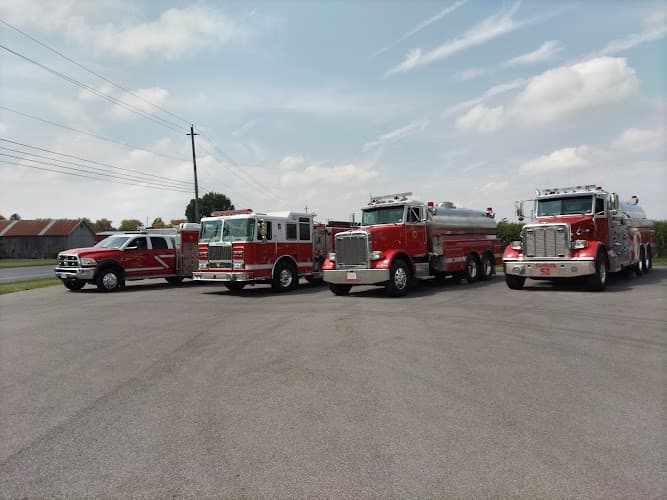
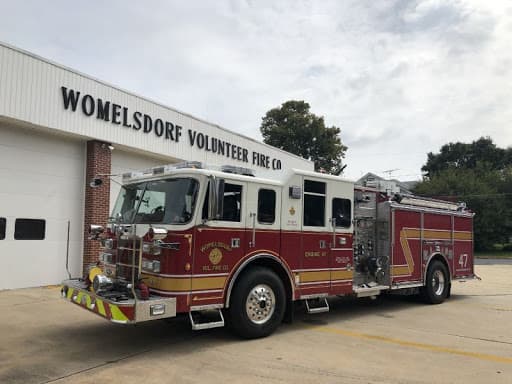
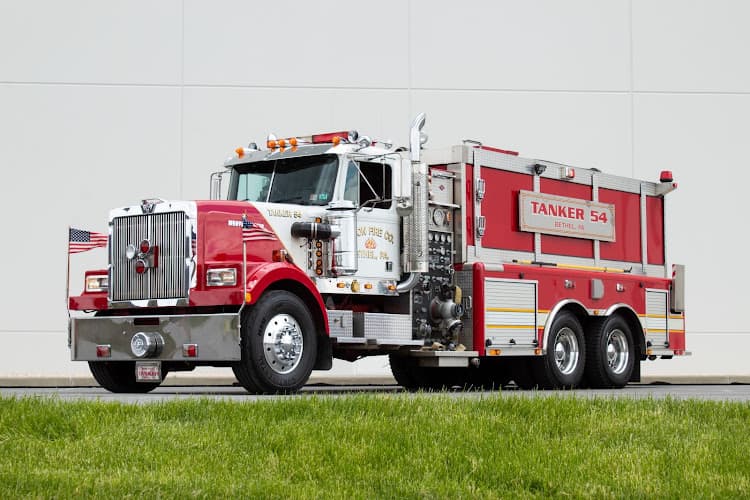
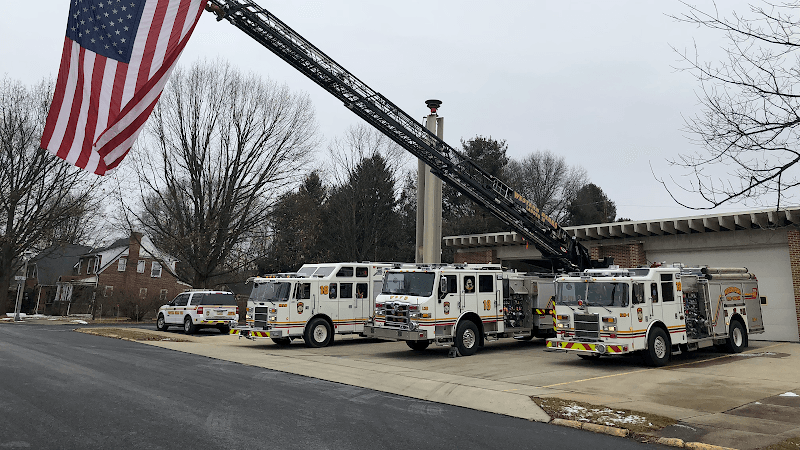
Fire departments classify their vehicles according to function, with each type of apparatus serving specific operational roles. Station 52 maintains a fleet that includes tanker apparatus, which are essential for rural firefighting operations where water must be transported to emergency scenes rather than drawn from hydrants.
Tanker trucks, also known as tenders in some regions, carry large water tanks and pumping systems that allow them to supply water for fire suppression at locations lacking hydrant access. The capacity of these vehicles, measured in gallons of water carried and gallons per minute pumping capability, directly affects a department's ability to sustain firefighting operations in rural settings. Tanker operations often involve shuttle systems where multiple vehicles rotate between the emergency scene and water sources such as ponds, streams, or designated fill sites to maintain continuous water supply.
The investment required to acquire and maintain firefighting apparatus represents a significant financial commitment for volunteer organizations. A modern fire engine or tanker can cost several hundred thousand dollars, and departments must balance the need for updated equipment against available funding from municipal allocations, grants, and community fundraising. Many volunteer companies operate a mix of newer and older apparatus, extending the service life of vehicles through careful maintenance.
Facility and Accessibility
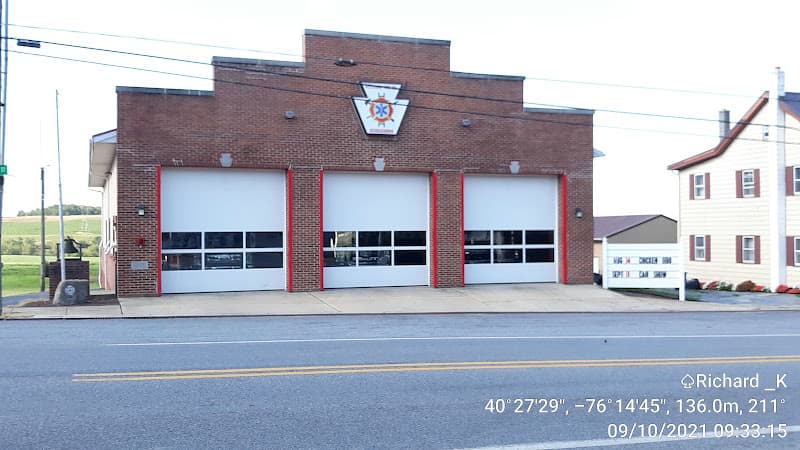
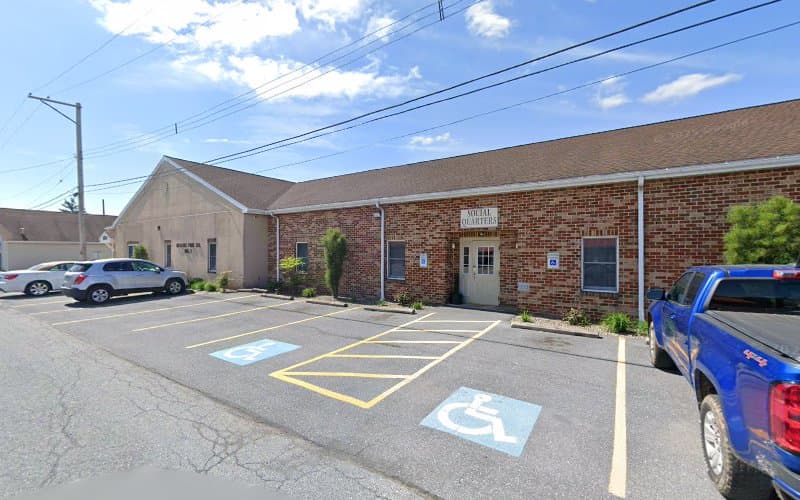
The Station 52 facility provides wheelchair accessible entrance points and parking areas, ensuring that community members with mobility limitations can access the building for meetings, events, or other purposes. Fire stations often serve as community gathering points beyond their emergency response function, hosting events, providing meeting space for civic organizations, and serving as polling locations during elections.
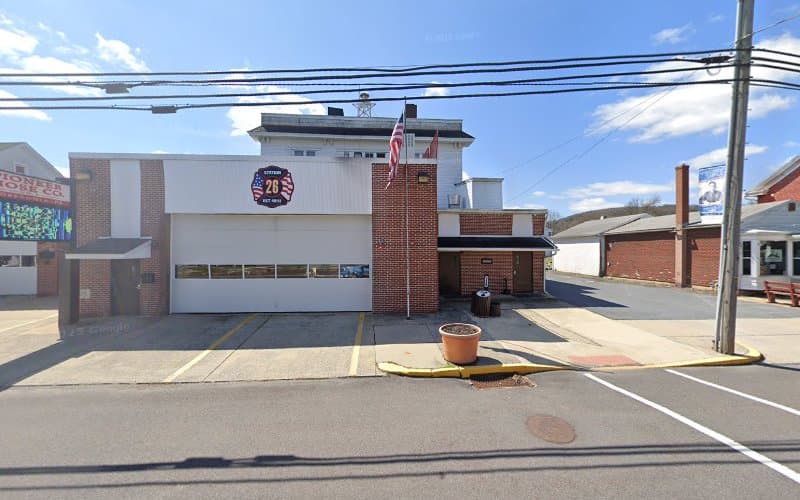
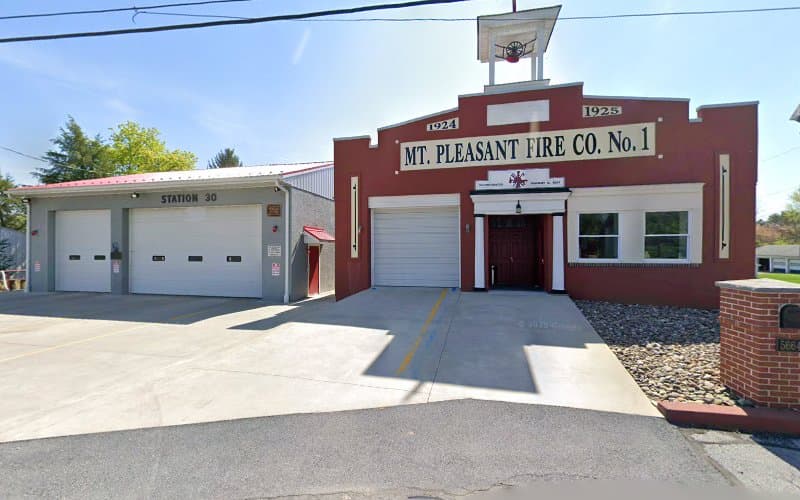
Fire station design must accommodate the storage and rapid deployment of large apparatus while also providing space for training, equipment maintenance, and administrative functions. Modern stations typically include apparatus bays sized for current equipment, living or ready areas where volunteers can wait during periods of standby duty, and facilities for cleaning and maintaining gear and equipment.
Role in Emergency Response Systems
Fire departments in Pennsylvania operate within a coordinated emergency response system that includes mutual aid agreements with neighboring departments. When an incident exceeds the resources of a single company, additional units from surrounding stations respond to provide assistance. This cooperative approach allows smaller departments to handle larger emergencies through combined resources and ensures coverage when a primary station's apparatus is already committed to another call.
Beyond fire suppression, modern fire departments frequently respond to a range of emergencies including vehicle accidents, medical emergencies, hazardous material incidents, and rescue operations. The specific services provided by any given department depend on the training and certification of its members, available equipment, and agreements with other emergency service providers in the area.
Marion Fire Company of Stouchsburg Station 52 can be reached by telephone at +1 610-589-5259 for non-emergency inquiries. Emergency calls should be directed to 911, which connects callers to the county dispatch center responsible for alerting appropriate emergency responders based on the location and nature of the reported incident.