Tourist attraction
Mercer Museum
4.8(1,636)Doylestown
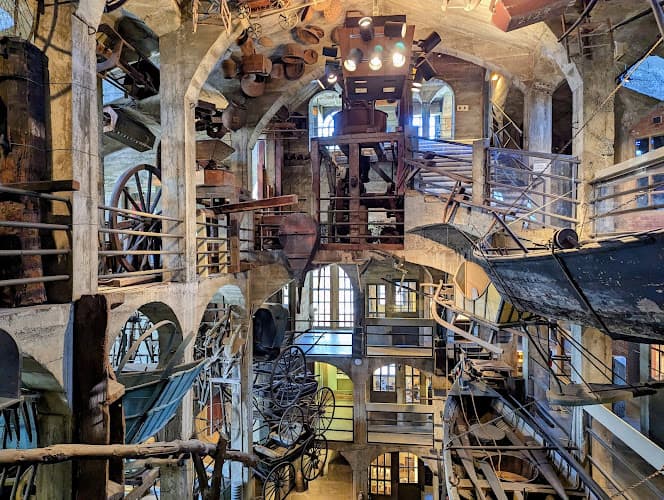
Mercer Museum in Doylestown, Pennsylvania, is a captivating tourist attraction offering an extensive collection of historical artifacts.
Moland House in Warminster, Pennsylvania, is a historical place museum offering insights into the area's rich past.
This unique monthly program featuring authentic colonial cooking demonstrations is described with exceptional enthusiasm as "phenomenal" and a "real treat," offering repeat-visit value with rotating content.
Once a month, they have a phenomenal Food Historian presenting real colonial American cooking. Always something new. Always something fascinating. A real treat!
Learned alot, always something new to learn, especially about making ice cream back then.
The specific historical significance of being the location where Washington and the young Lafayette first met resonates strongly with visitors, creating memorable "wow" moments.
A not well known part of US Revolutionary War history. It is where Lafayette first met General Washington and joined his army.
Very Informative, and did not realize Marquis de Lafayette was so young.
Customers are consistently impressed by the site's significant connection to George Washington, Lafayette, and Revolutionary War history, with many expressing surprise at discovering such an important historical location.
A very significant Rev-War Historical site, where General George Washington first met The young Marquis De Lafayette, who came from France to join with the Continental Army.
This is a fantastic historical treasure where you can spend 1-3 hours learning about where George Washington spent two weeks with the Continental Army during the summer of 1777.
Visitors frequently praise the well-maintained grounds, paved walking paths, and scenic trails as ideal for leisurely walks, biking, fishing, and photography.
Beautiful park with paved trail and small nature trail.
The lawns are clean" and "The grounds are quite lovely and the building is beautifully restored and preserved.
Customers commend the high-quality restoration of the historic house, noting period-accurate furnishings and the excellent preservation efforts by the Historical Society.
Beautifully restored historic property supported by passionate volunteers.
Fantastic restoration. Many original pieces and wonderful, knowledgeable guides.
Visitors consistently highlight the dedication, friendliness, and expertise of the volunteer staff who lead tours and share historical knowledge.
A wonderfully rehabilitated little piece of local and national history staffed by wonderful and passionate staff.
fantastic place with wonderful people who love and know their history!!!!
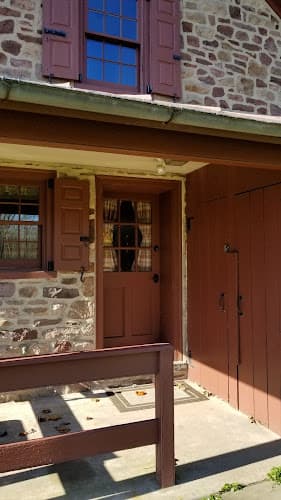
Moland House stands as one of the most historically significant Revolutionary War sites in Pennsylvania, serving as the temporary headquarters of General George Washington and the Continental Army during a pivotal period in August 1777. Located at 1641 York Road in Warminster, this restored 18th-century farmhouse and its surrounding grounds offer visitors a direct connection to events that shaped the founding of the United States.
The property's historical importance centers on a two-week period when Washington established his military headquarters here while maneuvering his forces in response to British troop movements. During this encampment, the farmhouse witnessed a meeting that would prove consequential for the American cause: the introduction of the young Marquis de Lafayette to General Washington. The French aristocrat, who had traveled across the Atlantic to offer his services to the revolutionary effort, began his American military career at this location. Lafayette would go on to become one of Washington's most trusted officers and a key figure in securing French support for American independence.
The original structure dates to the colonial period and served as a working farmhouse before its brief but significant role as a military headquarters. The building's selection as Washington's base of operations reflected practical considerations common to Revolutionary War encampments: its location along major roads, proximity to water sources, and the availability of surrounding land to accommodate troops.
Following the Revolutionary War, the property continued as private farmland for generations. The effort to preserve and restore Moland House as a historical site represents decades of work by the Warminster Historical Society and dedicated volunteers who recognized the property's national significance. The restoration process focused on historical accuracy, returning the building to its 18th-century appearance and furnishing it with period-appropriate items, including some original pieces connected to the property's history.
The preservation work extended beyond the main house to encompass the surrounding grounds, which now include walking paths, gardens, and natural areas that provide context for understanding the scale of the 1777 encampment. An eight-arch stone bridge on the property serves as an additional architectural point of interest for visitors exploring the grounds.
Moland House operates as a historical place museum, offering guided tours that interpret the property's Revolutionary War significance and daily life in colonial Pennsylvania. The tours are led by volunteer docents who provide detailed information about the events of August 1777, the figures who passed through the property, and the broader context of the Philadelphia Campaign that brought Washington's army to this location.
The museum experience covers multiple aspects of 18th-century history, from military strategy and the challenges facing the Continental Army to domestic life and material culture of the period. Exhibits and furnishings within the restored house illustrate how the property would have appeared and functioned during its use as headquarters, allowing visitors to understand both the military and civilian dimensions of the Revolutionary War era.
Tours are available by arrangement, and the site hosts visitors of various ages and backgrounds. The property has been designed to accommodate families, with programming and interpretation suitable for younger visitors learning about American history. Educational groups, including school field trips, represent a portion of the museum's visitors, though the depth of historical content available makes the site equally relevant for adult history enthusiasts and researchers.
Beyond regular tours, Moland House hosts a calendar of special events that bring different aspects of Revolutionary War and colonial history to life. Revolutionary War reenactments periodically take place on the grounds, featuring demonstrations of military drill, musket and cannon firing, and encampment life that illustrate the conditions experienced by Continental Army soldiers.
A distinctive element of the museum's programming involves monthly presentations by a food historian who demonstrates authentic colonial American cooking techniques. These sessions explore the foodways of 18th-century Pennsylvania, showing visitors how meals were prepared using period methods and ingredients. The rotating content of these demonstrations provides returning visitors with new material to explore.
The property also serves as a venue for community events including craft fairs and seasonal programming that draw visitors beyond those specifically interested in Revolutionary War history. These events take advantage of the scenic grounds while supporting the ongoing preservation and operation of the historic site.
The Moland House property encompasses landscaped grounds that extend well beyond the historic building itself. Paved walking trails and natural paths wind through the property, offering visitors opportunities for leisurely exploration of the site where thousands of Continental Army soldiers once encamped. The grounds include maintained lawns, gardens, and wooded areas that provide a sense of the rural Bucks County landscape as it might have appeared in the 18th century.
The scenic quality of the property has made it a popular location for photography, with the restored colonial architecture and well-maintained landscapes providing attractive backdrops. Visitors frequently use the grounds for family photographs and casual outdoor recreation in addition to historical tourism.
Practical amenities include restroom facilities and parking. The site has been developed with accessibility in mind, featuring wheelchair-accessible entrances, restrooms, and parking areas that allow visitors with mobility limitations to experience both the grounds and the historic building.
Moland House is situated along York Road in Warminster Township, Bucks County, approximately 20 miles north of Philadelphia. The location places it within easy reach of the greater Philadelphia metropolitan area while maintaining the semi-rural character appropriate to its historical interpretation.
The site's position in Bucks County places it among numerous other Revolutionary War-related locations in southeastern Pennsylvania, including Valley Forge to the southwest and Washington Crossing to the south. Visitors interested in tracing Washington's movements during the 1777 campaign can incorporate Moland House into a broader tour of regional Revolutionary War sites.
The museum operates through the efforts of the Warminster Historical Society, with volunteer staff providing the expertise and labor necessary to maintain the property and conduct tours. Prospective visitors can contact the site by phone at 215-918-1754 to confirm hours, arrange tours, and learn about upcoming events.
The events at Moland House occurred during a critical juncture in the Revolutionary War. In August 1777, Washington faced uncertainty about British intentions as General Howe's forces maneuvered by sea. The Continental Army's position at Warminster represented an attempt to cover multiple possible British approaches to Philadelphia, then serving as the seat of the Continental Congress.
Within weeks of leaving Moland House, Washington's army would engage British forces at the Battle of Brandywine and subsequently lose Philadelphia to British occupation. The introduction of Lafayette to the American cause at Moland House thus occurred at a moment of considerable strategic challenge, making the young Frenchman's subsequent contributions all the more significant to the eventual American victory.
For visitors and historians, Moland House represents an opportunity to stand in spaces where consequential decisions were made and important relationships formed during the struggle for American independence. The site's preservation ensures that this chapter of Revolutionary War history remains accessible to current and future generations seeking to understand the events and personalities that shaped the nation's founding.
County: Bucks County
Phone: +1 215-918-1754
Website: Visit Website
4.8 out of 5 stars
Based on 78 reviews
5 star reviews
4 star reviews
3 star reviews
2 star reviews
1 star reviews
Tourist attraction
Mercer Museum in Doylestown, Pennsylvania, is a captivating tourist attraction offering an extensive collection of historical artifacts.
Tourist attraction
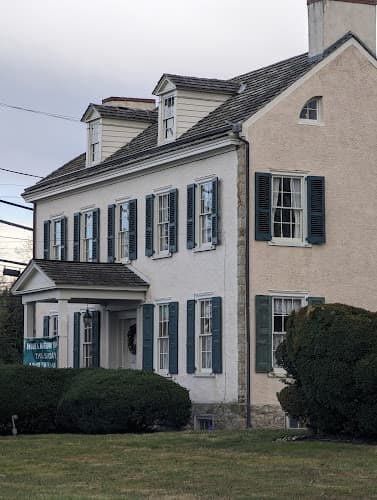
Craven Hall and John Fitch Steamboat Museum in Warminster offers a unique glimpse into history, featuring intriguing exhibits and enriching experiences for visitors.
Tourist attraction
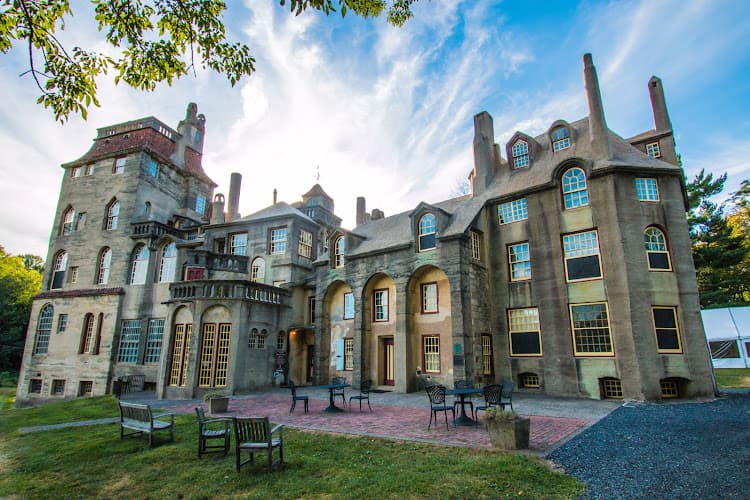
Fonthill Castle in Doylestown offers a unique glimpse into early 20th-century architecture as a fascinating tourist attraction.