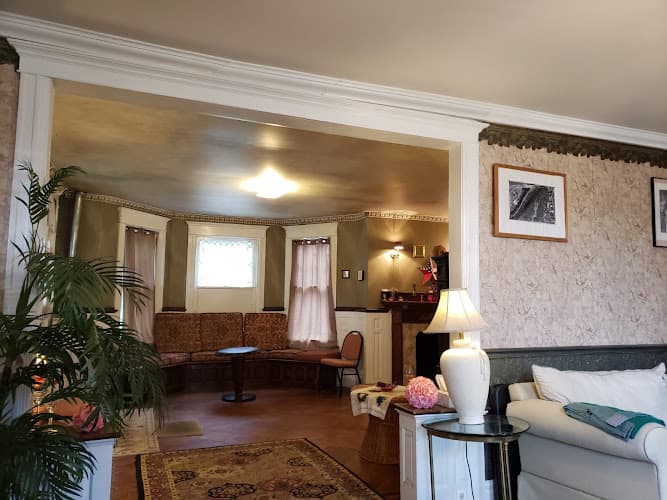
Mount Jefferson
Mount Jefferson in Easton is a museum offering unique exhibits and a rich cultural experience for visitors.
About Mount Jefferson
Overview
Mount Jefferson is a museum located along Pennsylvania Route 248 in Easton, Pennsylvania. Situated in the Lehigh Valley region of eastern Pennsylvania, this cultural institution serves visitors interested in exploring the historical and educational offerings available in this part of Northampton County.
Location and Setting
The museum occupies a site at 530-512 PA-248 in Easton, a city with deep historical roots dating back to the colonial era. Easton holds the distinction of being one of only three places where the Declaration of Independence was publicly read on July 8, 1776, alongside Philadelphia and Trenton. The city sits at the confluence of the Delaware and Lehigh Rivers, a geographic feature that has shaped its development as a commercial and cultural center throughout American history.
Pennsylvania Route 248 runs through the northern portions of the Lehigh Valley, connecting various communities in Northampton County. This positioning along a state route provides accessibility for visitors traveling from surrounding areas including Bethlehem, Allentown, and communities across the Delaware River in New Jersey.
The Museum Experience
As a museum facility, Mount Jefferson contributes to the broader cultural landscape of the Lehigh Valley, a region known for its industrial heritage, artistic communities, and educational institutions. Museums in this area typically focus on themes related to local history, industrial development, natural sciences, or artistic expression, reflecting the diverse interests of the communities they serve.
The Lehigh Valley has historically been home to numerous museums and cultural institutions, ranging from small specialized collections to larger comprehensive facilities. These institutions collectively preserve and interpret the region's story, from its indigenous peoples and colonial settlement through its industrial prominence and into the contemporary era.
Regional Historical Context
Understanding Mount Jefferson requires some appreciation of the broader historical context of the Easton area. The region was originally inhabited by the Lenape people, who called the area around the river confluence home for centuries before European contact. The name Easton itself derives from an English town, reflecting the colonial origins of the settlement established in 1752.
Throughout the 18th and 19th centuries, Easton developed as an important transportation hub. The Lehigh Canal, completed in the 1820s, connected the region's anthracite coal deposits to markets along the eastern seaboard. This infrastructure transformed the local economy and brought waves of immigration that shaped the cultural character of the community.
The industrial era left a lasting imprint on the Lehigh Valley. Iron and steel production, textile manufacturing, and cement production all flourished in the region during the 19th and early 20th centuries. Many museums in the area today interpret this industrial heritage, preserving the stories of workers, entrepreneurs, and communities that participated in America's industrial transformation.
Cultural Institutions in the Lehigh Valley
The Lehigh Valley supports a diverse array of museums and cultural organizations. Lafayette College, located in Easton, maintains several collections and galleries that contribute to the educational and cultural resources available in the community. The region also includes historical societies, art museums, science centers, and specialized collections focusing on everything from local history to specific industries or artistic movements.
This concentration of cultural institutions reflects both the historical prosperity of the region and the ongoing commitment of local communities to preserving and sharing their heritage. Museums serve multiple functions in communities like Easton, acting as educational resources, tourist attractions, community gathering spaces, and repositories of collective memory.
Visiting Information
Prospective visitors to Mount Jefferson should note that the museum operates without an on-site restaurant facility. Those planning extended visits may wish to explore dining options in the surrounding Easton area, which offers various restaurants and eateries reflecting the community's diverse culinary landscape.
The Easton area provides various amenities for visitors, including parking facilities, public transportation options, and accommodations for those traveling from greater distances. The city's downtown area, with its historic architecture and commercial district, offers additional attractions that might complement a museum visit.
The Role of Local Museums
Local museums like Mount Jefferson play an important role in community life that extends beyond their specific collections or exhibits. These institutions often serve as anchors for cultural tourism, drawing visitors who contribute to the local economy while engaging with the region's heritage. They also provide educational programming for schools and community groups, helping to transmit knowledge and appreciation for history, science, or art to new generations.
For residents, local museums offer opportunities for lifelong learning and community engagement. Many museums rely on volunteer support, creating pathways for community members to contribute their time and expertise while developing new skills and connections. This volunteer involvement often strengthens the bonds between museums and the communities they serve.
Museums also function as research institutions, preserving primary sources, artifacts, and documentation that scholars and researchers can access for their work. Even smaller museums may hold unique materials that contribute to broader understanding of historical events, artistic movements, or scientific developments.
Planning Your Visit
Those interested in visiting Mount Jefferson should consider reaching out directly to confirm current operating hours, admission policies, and any special exhibitions or programs that may be available. Museums often adjust their schedules seasonally or in response to special events, making advance planning advisable for visitors traveling significant distances.
The museum's location along PA-248 places it within reasonable driving distance of major population centers in eastern Pennsylvania and western New Jersey. Visitors combining a trip to Mount Jefferson with exploration of other Lehigh Valley attractions will find numerous options for creating a full day or weekend of cultural engagement in the region.
Unique Details About Mount Jefferson
Amenities
Contact Information for Mount Jefferson
Customer Reviews
2.3 out of 5 stars
Based on 3 reviews
Review data
5 star reviews
- 33%
4 star reviews
- 0%
3 star reviews
- 0%
2 star reviews
- 0%
1 star reviews
- 67%
Working Hours / Hours of Operation
- Monday:
- Open 24 hours
- Tuesday:
- Open 24 hours
- Wednesday:
- Open 24 hours
- Thursday:
- Open 24 hours
- Friday:
- Open 24 hours
- Saturday:
- Open 24 hours
- Sunday:
- Open 24 hours
Location Map
Similar Museums Near Easton, PA
BerksConnect: everything local in Berks County, PA.
8,700+ local businesses with AI-summarized reviews, plus local guides, jobs, and what's happening around the county.