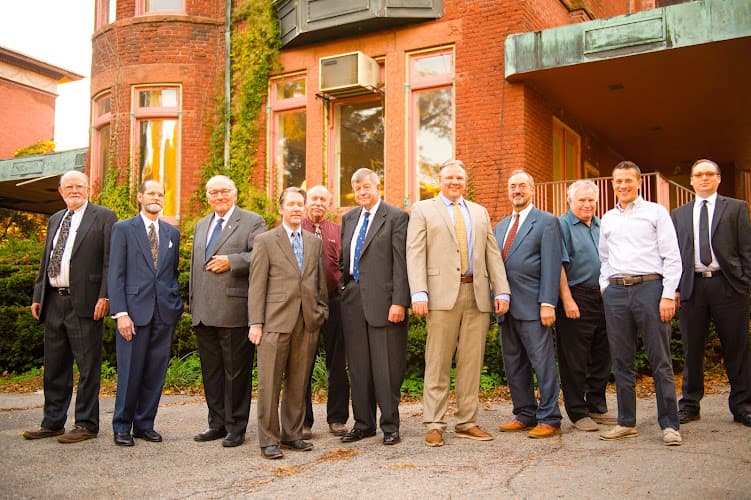
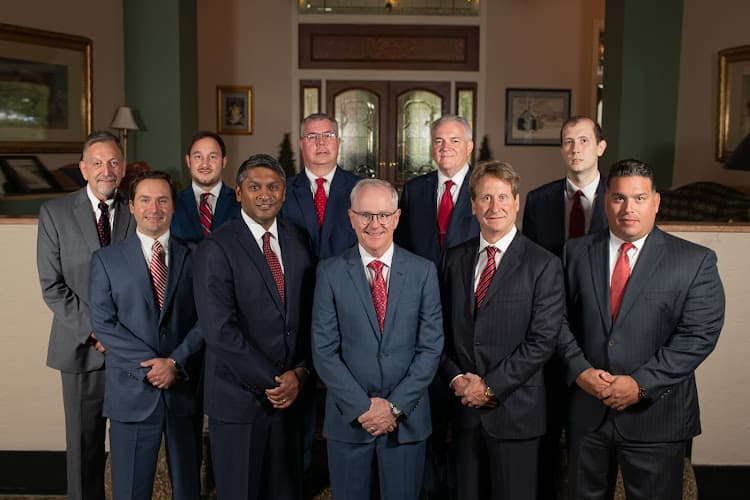
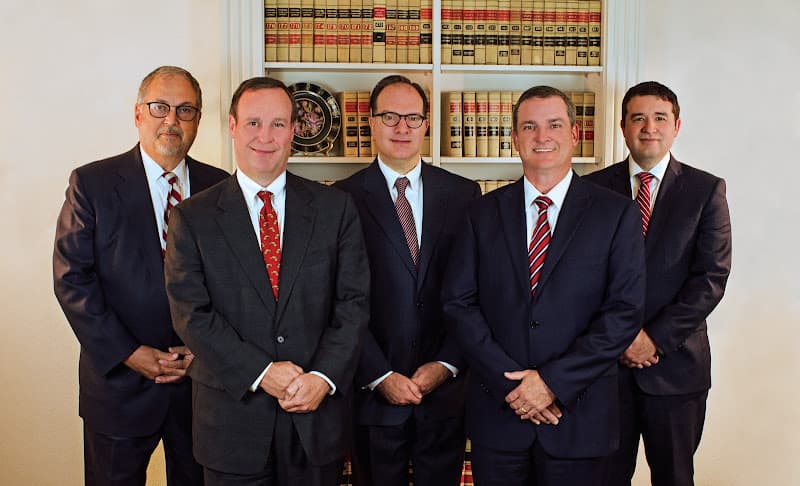
Nevins & McAllister, PLLC, Attorneys At Law is a law office based in downtown Reading, Pennsylvania, at 602-604 Court St. The practice serves individuals and families throughout Berks County and the surrounding region, handling matters that range from criminal charges and traffic citations to divorce, custody and other family law issues. The firm operates as a small, attorney-led office rather than a large multi-branch practice, which means clients generally work directly with the lawyer handling their file and with a support staff that knows the details of each case.
The office sits on Court Street, the same corridor that holds the Berks County Courthouse and much of the county's legal and administrative activity. That proximity is practical rather than decorative: filings, hearings, conferences with opposing counsel and appearances before county judges all take place within a short walk, which can shorten timelines on matters that require frequent court contact.
Areas of Practice
The firm's work centers on the kinds of legal problems that most often bring Pennsylvania residents into contact with the court system. Typical matters include:
- Criminal defense, including misdemeanor and felony charges, preliminary hearings, pretrial motions and jury trials
- Driving under the influence charges and related license consequences
- Traffic citations, summary offenses and motor vehicle code violations, including matters involving drivers who live outside Pennsylvania
- Divorce, including uncontested and contested proceedings, equitable distribution and related financial issues
- Child custody, including negotiated custody agreements, custody conciliation and modification of existing orders
- Child and spousal support matters
- Protection from abuse proceedings
- General civil disputes and other matters that arise in the Court of Common Pleas and before magisterial district judges
Criminal defense and family law are the two pillars of the practice, and the two frequently intersect. A client facing charges may also be dealing with custody questions, or a divorce may raise issues that require careful handling in more than one courtroom. A general practice of this type allows those connected problems to be managed by one office instead of being split among several.
Trial Work and Negotiated Resolutions
The firm is known locally for being willing to take a case to trial when the facts warrant it, including defenses that require a jury to weigh competing accounts of an incident. At the same time, a substantial share of the office's work never reaches a courtroom. In family matters in particular, the practice emphasizes negotiated outcomes: custody schedules worked out between parents and reduced to a written agreement, property divisions settled by stipulation, and support figures resolved without contested hearings. Agreements reached this way are typically faster, less expensive and less damaging to ongoing relationships between parents than litigated outcomes.
Prospective clients sometimes assume that one approach excludes the other. In practice, the two reinforce each other. Preparation for trial informs what a reasonable settlement looks like, and a lawyer who is known to be ready to try a case often has more room to negotiate on a client's behalf.
Working With the Office
Day to day contact at a small firm runs through both the attorneys and the paralegal staff, and clients of this office frequently deal with the paralegal for scheduling, document collection, status updates and questions between court dates. That structure is common in Pennsylvania practices of this size and keeps routine communication moving without requiring an attorney's calendar to open up for every question.
Clients can expect an initial discussion of the facts, an explanation of the likely procedural path, and a candid assessment of possible outcomes. Fee arrangements vary by matter type. Criminal and family cases in Pennsylvania are most often handled on a flat fee or hourly basis, with the arrangement set out before representation begins. Anyone contacting the office for the first time should ask how fees will be structured for their specific situation, what is included, and what costs such as filing fees or service fees are paid separately to the court.
Out of Area and Remote Clients
Not every person charged in Berks County lives in Berks County. Drivers cited while passing through on Route 222, Interstate 78 or the Pennsylvania Turnpike, former residents, students and visitors all end up with Pennsylvania court dates. The firm handles matters for clients who live out of state, and in many summary and traffic cases a Pennsylvania attorney can appear on a client's behalf, which may spare the client repeated travel. Whether that is possible depends on the charge, the court and the judge, so it is a question worth raising at the first phone call.
Location, Parking and Access
The office is located at 602-604 Court St in Reading, within the central business district and close to the county courthouse, the Reading City Hall area and nearby parking facilities. A wheelchair accessible parking lot is available. Court Street parking in downtown Reading is a mix of metered street spaces and garages, so visitors arriving for a scheduled appointment or a court date on the same day should allow extra time to park, particularly during weekday morning hours when court sessions begin.
The firm can be reached by telephone at +1 610-372-5128. Appointments are recommended rather than walk-in visits, since attorneys spend significant portions of the week in court and in hearings. Calling ahead allows the office to confirm that the matter falls within the practice areas handled, check for conflicts of interest, and set a time when the appropriate attorney is available.
Preparing for a First Appointment
Clients get more out of an initial meeting when they bring the relevant paperwork with them. Useful items include:
- Any citation, criminal complaint, summons or subpoena received
- Notices of scheduled hearings, including the date, time and courtroom
- Existing court orders, such as a custody order, support order or protection order
- Correspondence from police, the district attorney's office, a domestic relations section or opposing counsel
- Financial documents where support or property division is at issue, including recent pay statements and tax returns
- A written timeline of events and a list of questions
Pennsylvania courts work on firm deadlines. License suspension appeals, responses to complaints, and requests to modify custody or support all carry time limits, and missing one can narrow the options available. Anyone who has received court paperwork is generally better served by calling promptly, even if the hearing date seems distant.
Service Area
The practice is centered on Reading and Berks County, including Wyomissing, West Reading, Shillington, Mohnton, Sinking Spring, Exeter Township, Muhlenberg Township, Kutztown, Fleetwood, Boyertown and Hamburg, with matters also arising in neighboring counties. For clients living near a county line, it is worth confirming at the outset which court will hear the case, since that determines local procedure and scheduling.