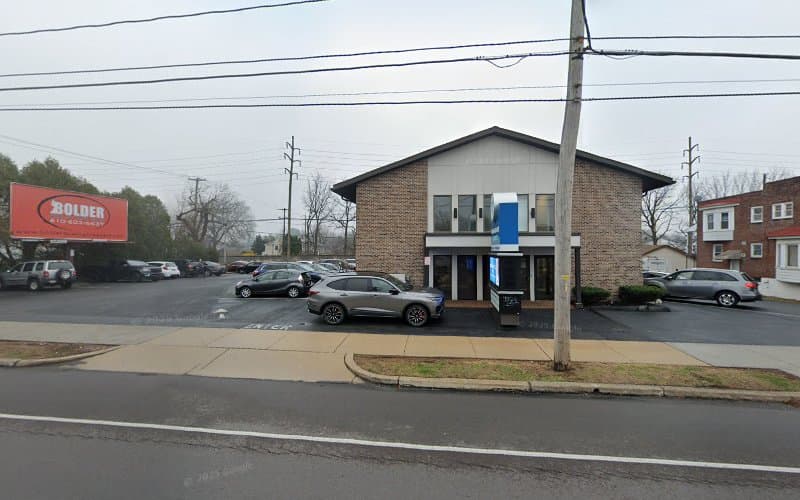
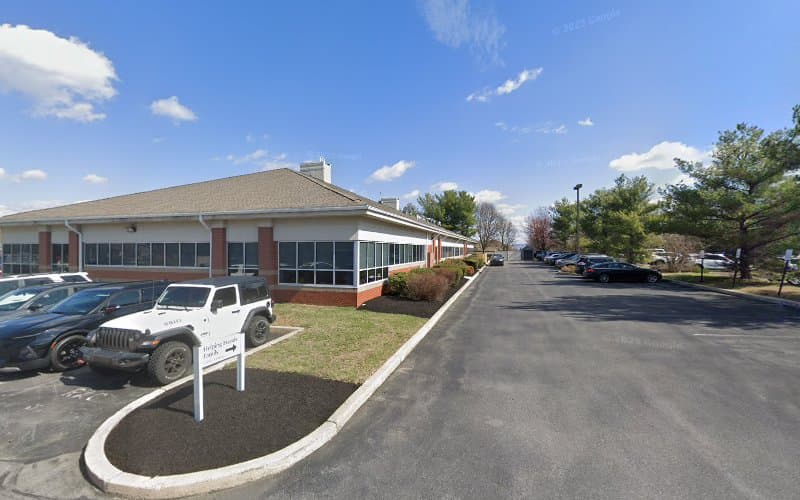
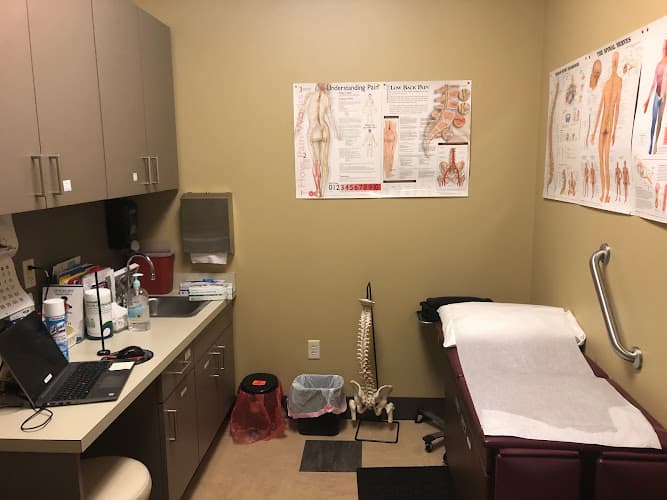
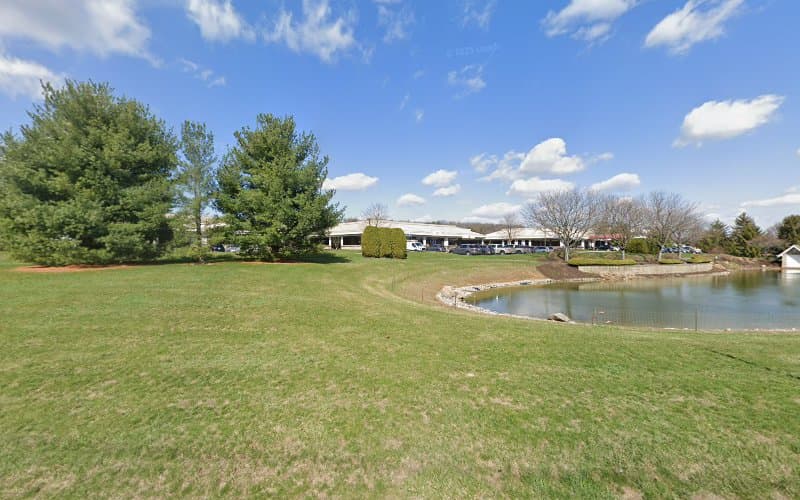
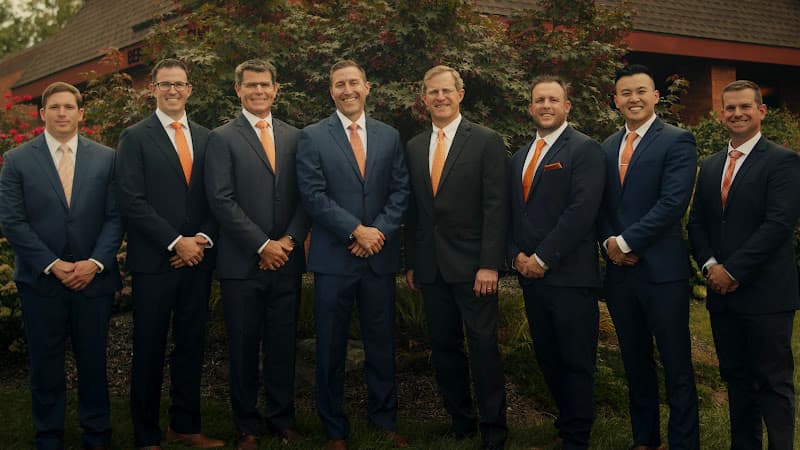
Noble S Ross MD is a physiatry practice located at 200 Reading Avenue in West Reading, Pennsylvania. Physiatry, also known as physical medicine and rehabilitation (PM&R), is the medical specialty concerned with restoring function and reducing pain in people affected by injury, illness, or disability. Rather than concentrating on a single organ system, physiatrists evaluate the whole person: how a condition affects movement, strength, endurance, work capacity, and daily living. Patients typically reach a practice like this one by referral from a primary care physician, an orthopedic surgeon, a neurologist, or a hospital discharge team, though self referrals are common as well depending on insurance requirements.
The office operates on an appointment basis, and scheduling ahead is recommended. Appointments can be arranged by calling +1 610-478-8662. Both credit cards and debit cards are accepted for payment, and the office maintains restroom facilities for patients and those accompanying them.
What a Physiatrist Does
Physiatrists complete medical school followed by a residency in physical medicine and rehabilitation, and many pursue additional fellowship training in areas such as pain medicine, spine care, sports medicine, neuromuscular medicine, or interventional procedures. The specialty is often described as the bridge between medicine and rehabilitation therapies. A physiatrist diagnoses the source of a functional problem, then designs and oversees a treatment plan that may draw on medication management, physical and occupational therapy, bracing or orthotics, injections, assistive technology, and lifestyle modification. Surgery is not part of the physiatrist's toolkit, which is one reason patients are frequently sent to this specialty when they want to explore nonoperative options before committing to an operation.
Conditions commonly addressed within physical medicine and rehabilitation include:
- Neck and low back pain, including disc herniation, spinal stenosis, and degenerative changes of the spine
- Osteoarthritis and other joint conditions affecting the shoulders, hips, and knees
- Tendon and soft tissue injuries such as rotator cuff problems, tennis elbow, and plantar fasciitis
- Nerve compression syndromes, including carpal tunnel syndrome and sciatica
- Recovery after stroke, traumatic brain injury, or spinal cord injury
- Neuromuscular disorders, peripheral neuropathy, and chronic nerve pain
- Post surgical rehabilitation following joint replacement, fusion, or repair procedures
- Work related and motor vehicle injuries, including evaluations tied to return to work planning
- Chronic pain syndromes that have not responded to earlier treatment
- Sports injuries in both recreational and competitive athletes
The Evaluation Process
A first visit with a physiatrist is usually longer than a routine office appointment because the history taking is detailed. The physician asks not only where it hurts but how the problem interferes with specific activities: lifting a child, climbing stairs at home, sitting through a shift at work, sleeping through the night. A musculoskeletal and neurological examination follows, typically covering range of motion, strength testing, reflexes, sensation, gait, and posture. Imaging studies such as X rays or MRI scans are reviewed when available, and in some cases electrodiagnostic testing (electromyography and nerve conduction studies) is used to pinpoint whether symptoms originate in a nerve, a nerve root, or a muscle.
From that evaluation comes a plan, which is often staged. Conservative measures such as targeted therapy, home exercise, activity modification, and medication are frequently tried first. If symptoms persist, image guided injections or other interventional options may be discussed. Patients who ultimately need surgical consultation are directed to the appropriate specialist, and the physiatrist often remains involved afterward to guide rehabilitation. Because function is the organizing goal, progress is frequently measured in practical terms: walking distance, time spent standing, reduced reliance on medication, or a documented return to work.
Location and Access
West Reading is a small borough in Berks County, immediately west of the city of Reading and separated from it by the Schuylkill River. The borough is best known regionally as the home of a major hospital campus and the medical offices that have grown up around it, which means patients visiting Reading Avenue often find laboratory services, imaging centers, pharmacies, and therapy providers within a short distance. The same corridor includes the Penn Avenue shopping and dining district, a convenience for patients traveling from outlying parts of the county.
The practice draws patients from across Berths County communities including Wyomissing, Sinking Spring, Shillington, Mohnton, Temple, Muhlenberg Township, Exeter Township, Birdsboro, Kutztown, and Boyertown, as well as from the city of Reading itself. The area is reachable by way of U.S. Route 422, which runs just south of the borough, and by Penn Avenue and the Penn Street Bridge from the Reading side.
Accessibility has been addressed at several points of entry. The location offers a wheelchair accessible entrance, a wheelchair accessible restroom, and wheelchair accessible parking, which matters a great deal in a specialty where a substantial share of patients arrive using canes, walkers, crutches, scooters, or wheelchairs, or are recovering from recent surgery.
Practical Information for New Patients
Patients preparing for a first appointment generally benefit from assembling a few items in advance:
- A current list of medications, including dosages, supplements, and over the counter products
- Copies or disc files of recent imaging studies and the written radiology reports
- Records from prior therapy, injections, or surgeries related to the complaint
- Insurance cards and, where required by the plan, a referral or prior authorization
- A written summary of symptoms, including when they started, what makes them better or worse, and which daily activities have become difficult
- Comfortable clothing that allows the affected area to be examined and the patient to walk or move during the exam
Because appointments are recommended rather than walk in based, calling ahead also allows office staff to verify insurance coverage, explain any paperwork needed for workers' compensation or motor vehicle claims, and advise on expected visit length. Patients with questions about parking, building entry, or whether a particular condition falls within the scope of physiatry can raise those matters by phone when scheduling.
Why Patients Choose Physiatry
For many people living with persistent pain or limited mobility, the appeal of physical medicine and rehabilitation lies in its emphasis on explanation and long term function rather than a single procedure. The specialty tends to involve ongoing relationships, with follow up visits used to adjust therapy prescriptions, review response to treatment, and revisit goals as recovery progresses. In a community the size of Berks County, that continuity, combined with proximity to the West Reading medical corridor, makes a local physiatry office a practical resource for patients managing injuries, chronic musculoskeletal conditions, and rehabilitation after serious illness.