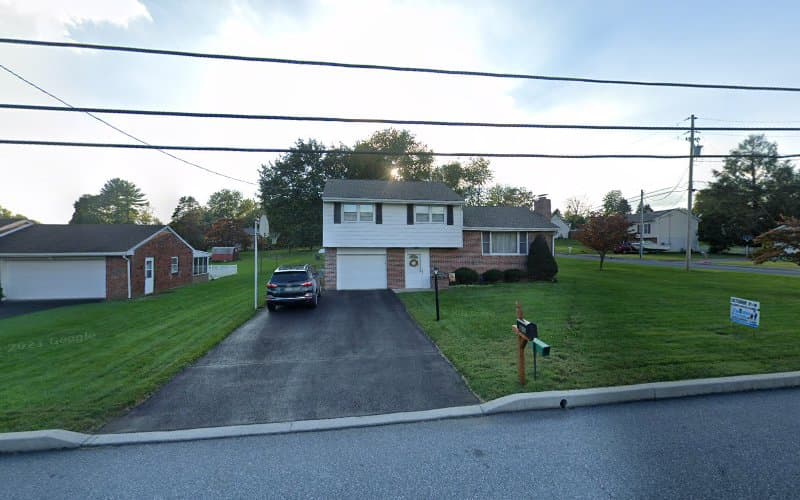
Pallets
Pallets in Reading, PA, specializes in supplying high-quality pallets for various commercial needs, enhancing logistics efficiency for businesses.
About Pallets
Overview of Pallets
Pallets is a pallet supplier operating from Reading, Pennsylvania, serving the logistics, warehousing, and manufacturing sectors that depend on reliable material handling solutions. Located at 3912 Reading Crest Avenue in the 19605 zip code, the business operates within Berks County, a region with significant industrial and distribution activity in southeastern Pennsylvania.
The company functions within the pallet supply industry, a sector that forms an essential but often overlooked component of modern supply chain infrastructure. Pallets as products serve as the fundamental platform for storing, stacking, and transporting goods across virtually every industry, from food and beverage to pharmaceuticals, retail, and manufacturing.
The Pallet Supply Industry
Pallet suppliers like this Reading-based operation typically serve a diverse customer base that includes manufacturers, distributors, retailers, and logistics companies. The pallet industry in the United States handles billions of pallets annually, with wooden pallets remaining the dominant product type despite the emergence of plastic, metal, and composite alternatives.
Businesses in this sector generally offer several categories of products and services. New pallets manufactured to specific dimensions and load-bearing specifications represent one segment of the market. Recycled and refurbished pallets provide cost-effective alternatives for customers whose applications do not require new materials. Many pallet suppliers also offer pallet retrieval and recycling services, collecting used pallets from customer locations for repair and resale or for processing into mulch and other wood products.
The standard pallet size in North America measures 48 inches by 40 inches, a dimension established by the Grocery Manufacturers Association and widely adopted across industries. However, pallet suppliers frequently provide custom sizes to meet specific customer requirements, whether for particular product dimensions, international shipping standards, or specialized storage systems.
Geographic Context and Service Area
Reading, Pennsylvania provides a strategic location for pallet supply operations. The city sits approximately 60 miles northwest of Philadelphia and occupies a position along major transportation corridors that connect the northeastern United States. Interstate 78 and Interstate 76 provide access to the broader regional highway network, facilitating distribution to customers across southeastern Pennsylvania and neighboring states.
Berks County and the surrounding region host numerous manufacturing facilities, distribution centers, and warehousing operations that generate consistent demand for pallet products. The area's industrial heritage, which includes historical significance in railroad, iron, and textile manufacturing, has evolved into a modern economy with substantial logistics and distribution activity.
The Reading Crest Avenue address places the business in the northern portion of Reading, an area that includes a mix of commercial and industrial properties. This location provides accessibility for local customers while maintaining proximity to major transportation routes for regional distribution.
Pallet Types and Specifications
Pallet suppliers typically offer products across several categories, each suited to different applications and budget considerations. Understanding these categories helps explain the scope of operations for businesses in this industry.
- Stringer pallets feature a frame constructed with two or three parallel pieces of lumber, called stringers, that support the deck boards. This design offers economical production while providing adequate strength for many applications.
- Block pallets utilize blocks of solid wood or composite material at the corners and center points, creating a more robust structure that allows four-way forklift entry. This design typically commands higher prices but offers greater durability and handling flexibility.
- Heat-treated pallets have undergone thermal processing to eliminate pests and pathogens, meeting International Standards for Phytosanitary Measures Number 15 requirements for international shipping. These pallets bear the ISPM-15 stamp indicating compliance with export regulations.
- Recycled pallets have been collected from previous users, inspected, and repaired as necessary to meet functional standards. These products offer cost savings while extending the useful life of pallet materials.
- Custom pallets are manufactured to specifications provided by customers who require non-standard dimensions, load capacities, or construction features for particular applications.
Industry Standards and Compliance
The pallet industry operates under various standards and regulations that affect product specifications and handling procedures. The National Wooden Pallet and Container Association establishes guidelines for pallet construction, grading, and terminology that many suppliers follow to ensure consistency across the industry.
For customers involved in international trade, ISPM-15 compliance represents a critical consideration. This international standard requires wooden packaging materials, including pallets, to undergo approved treatment methods before crossing international borders. Heat treatment and methyl bromide fumigation are the two accepted methods, with heat treatment being the more commonly used approach in the United States.
Food industry customers often require pallets that meet specific sanitation standards or that have been manufactured from approved materials. Some applications call for plastic or metal pallets that can withstand washing and sanitization procedures that would damage wooden alternatives.
Material Sourcing and Environmental Considerations
Wooden pallet production relies on lumber supply chains that draw from various sources. Softwoods such as pine and spruce predominate in pallet manufacturing due to their availability, workability, and cost characteristics. Hardwoods including oak and maple appear in applications requiring greater strength and durability.
The pallet industry maintains significant recycling and reuse rates compared to many other wood product sectors. Industry estimates suggest that wooden pallets achieve recycling rates exceeding 90 percent, with used pallets either repaired for continued use or processed into mulch, animal bedding, and fuel products. This circular approach to materials extends the useful life of wood fiber and reduces demand for virgin lumber.
Pallet repair operations represent an important component of the industry's sustainability profile. Skilled workers inspect used pallets, replace damaged boards and fasteners, and return functional products to service at lower cost than new manufacturing. This repair and refurbishment activity provides employment while reducing waste generation.
Customer Considerations
Businesses seeking pallet suppliers typically evaluate several factors when selecting a vendor. Product availability and lead times affect operations that depend on consistent pallet supply to maintain shipping and storage activities. Pricing structures vary based on pallet type, quantity, and delivery requirements, with volume purchases generally commanding lower per-unit costs.
Delivery capabilities influence vendor selection for customers lacking the equipment or personnel to transport pallets from supplier locations. Many pallet suppliers maintain delivery fleets or arrange third-party transportation to customer facilities.
Quality consistency matters for customers whose operations require pallets meeting specific dimensional tolerances or load-bearing specifications. Automated handling systems and racking installations often demand greater precision than manual operations, making quality control an important consideration.
Some customers prefer suppliers who offer pallet management programs that include regular delivery schedules, used pallet retrieval, and inventory management services. These comprehensive arrangements simplify logistics for customers while providing suppliers with predictable revenue streams and steady supplies of recyclable materials.
Practical Information
Pallets operates from its Reading Crest Avenue location in Reading, Pennsylvania. Prospective customers seeking specific information about product offerings, pricing, availability, and delivery options would benefit from direct contact with the business to discuss their particular requirements and circumstances.
The pallet supply industry serves customers with widely varying needs, from small businesses requiring occasional pallet purchases to large operations consuming thousands of pallets monthly. Suppliers in this market typically accommodate this range of customer sizes and requirements through flexible ordering and delivery arrangements.
Contact Information for Pallets
Reading, PA 19605
United States of America
County: Berks County
Customer Reviews
No reviews yet.
Working Hours / Hours of Operation
Location Map
Similar Industrial Suppliers Near Reading, PA


BerksConnect: everything local in Berks County, PA.
8,700+ local businesses with AI-summarized reviews, plus local guides, jobs, and what's happening around the county.