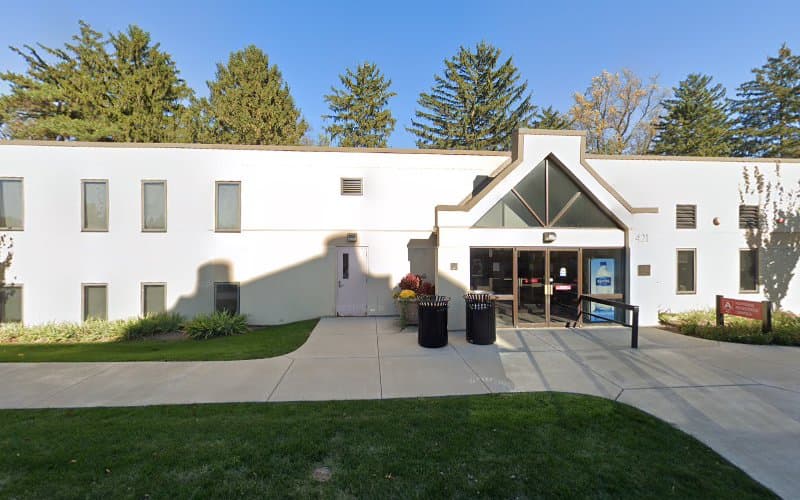
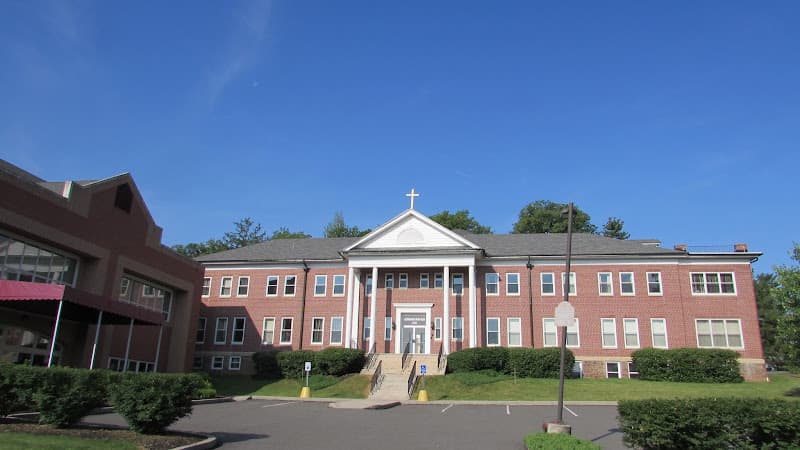
Penn Medicine Alvernia Counseling represents a collaborative healthcare initiative between two significant institutions in the Greater Reading area. The facility operates at 421 Adams Street in Reading, Pennsylvania, combining the clinical resources of Penn Medicine with the educational mission of Alvernia University. This partnership brings mental health services to the community while providing practical training opportunities for graduate students in counseling and related fields.
Institutional Background
The counseling center exists at the intersection of two distinct organizational legacies. Penn Medicine, the healthcare system affiliated with the University of Pennsylvania, operates one of the oldest medical schools in the United States and maintains a network of hospitals and outpatient facilities throughout the Philadelphia region and beyond. Alvernia University, founded in 1958 by the Bernardine Franciscan Sisters, is a private Catholic institution located in Reading that offers undergraduate and graduate programs across multiple disciplines, including counseling and psychology.
The collaboration between these institutions reflects a broader trend in healthcare education, where academic medical centers partner with regional universities to expand both service delivery and clinical training opportunities. Such arrangements allow graduate students to gain supervised experience with actual clients while extending mental health services to communities that might otherwise face access barriers.
Location and Accessibility
The facility is situated on Adams Street in Reading, Pennsylvania, within Berks County. Reading, with a population of approximately 95,000 residents, serves as the county seat and represents the fourth-largest city in Pennsylvania. The region has historically faced challenges related to mental health service availability, making community-based counseling resources particularly relevant to local residents.
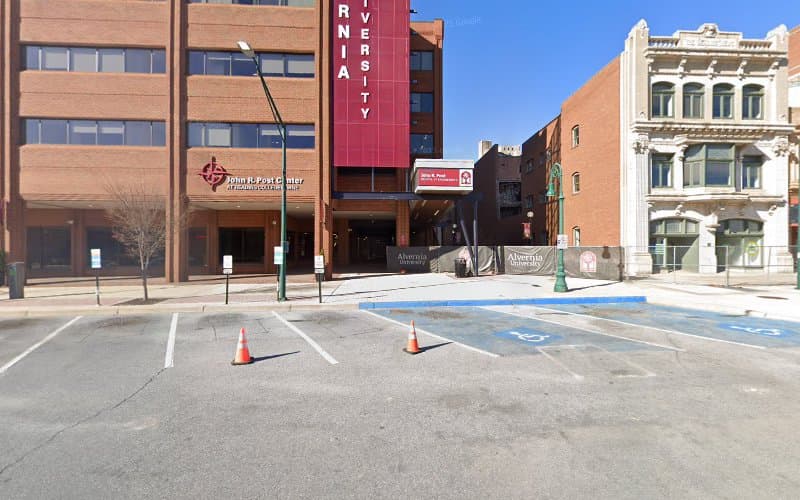
The location maintains accessibility features for individuals with mobility limitations. The entrance accommodates wheelchair users, and the parking lot includes designated accessible parking spaces. These accommodations ensure that individuals with physical disabilities can access counseling services without encountering architectural barriers, an important consideration given that mental health conditions frequently co-occur with physical health challenges.
Services and Clinical Focus
As a counseling center affiliated with both a healthcare system and a university, the facility likely provides a range of mental health services typical of such settings. University-affiliated counseling centers generally offer individual therapy, group counseling, and assessment services. The connection to Penn Medicine suggests potential integration with broader healthcare resources, including psychiatric consultation and referral pathways for clients requiring medication management or more intensive interventions.
Counseling services at university-affiliated training clinics typically address common mental health concerns including depression, anxiety disorders, relationship difficulties, grief and loss, life transitions, stress management, and adjustment challenges. Some facilities also provide specialized services for specific populations or presenting concerns, though the particular focus areas of this location would depend on the expertise of supervising clinicians and the training needs of graduate students.
Training clinics associated with graduate counseling programs generally operate under a supervision model in which licensed mental health professionals oversee the clinical work of students pursuing degrees in counseling, clinical psychology, social work, or related fields. This arrangement provides clients with access to services while ensuring that care meets professional standards through ongoing clinical oversight.
The Role of Training Clinics in Mental Health Care
University-based counseling centers serve multiple functions within the mental health care landscape. They expand access to services, often at reduced cost compared to private practice settings, while simultaneously preparing the next generation of mental health professionals. Clients who receive services at training clinics benefit from the intensive supervision that student clinicians receive, which often involves case consultation, direct observation, and detailed feedback on clinical work.
Research on training clinic outcomes generally indicates that supervised graduate students achieve clinical results comparable to licensed professionals for many common presenting concerns. The additional oversight inherent in training environments may actually enhance certain aspects of care, as supervisors bring decades of experience to bear on case conceptualization and treatment planning.
For the Reading community, a counseling center with university and health system affiliations represents a resource that bridges academic and clinical worlds. Such facilities often maintain connections to research developments in the field, potentially incorporating evidence-based practices as they emerge from ongoing psychological and counseling research.
The Mental Health Landscape in Berks County
Berks County, like many regions across the United States, faces ongoing challenges related to mental health service availability. The county's population includes diverse communities with varying needs and potential barriers to accessing care, including language differences, economic constraints, and stigma associated with seeking mental health treatment.
Community-based counseling resources play an important role in addressing these gaps. Facilities located within residential areas, rather than concentrated in medical complexes, may reduce practical barriers to care by minimizing travel requirements and integrating services into familiar neighborhood contexts.
The presence of a Penn Medicine-affiliated facility in Reading also reflects the broader expansion of the health system beyond its traditional Philadelphia base. This geographic extension brings resources and clinical expertise to communities throughout southeastern Pennsylvania while potentially creating referral networks that connect local clients to specialized services when needed.
Practical Considerations for Prospective Clients
Individuals considering counseling services typically benefit from understanding several practical aspects of how such facilities operate. University-affiliated training clinics often maintain specific intake procedures, which may include initial assessments to determine whether the facility can appropriately address a prospective client's concerns. Some presenting issues may be better served by referral to specialized providers or higher levels of care.
Fee structures at training clinics frequently differ from private practice settings. Many such facilities offer sliding scale fees based on income, making services accessible to individuals who might not otherwise afford mental health care. Insurance acceptance varies by facility, and prospective clients would benefit from direct inquiry regarding payment options and coverage.
Scheduling considerations at training clinics may also differ from other settings. Graduate student schedules often align with academic calendars, which can affect appointment availability during certain periods. However, many training clinics maintain year-round operations with adjusted staffing to ensure continuity of care.
The Integration of Healthcare and Education
The Penn Medicine Alvernia Counseling facility exemplifies a model of healthcare delivery that integrates clinical services with professional education. This approach recognizes that training competent mental health professionals requires supervised experience with actual clients, while simultaneously acknowledging community needs for accessible mental health services.
Such partnerships between healthcare systems and educational institutions have become increasingly common as both sectors recognize mutual benefits. Healthcare organizations gain access to motivated trainees who may eventually join their workforce, while universities provide students with practical experience that enhances their professional preparation. Communities benefit from expanded service availability and the presence of clinicians who bring current knowledge of research and best practices to their work.
The specific nature of the collaboration between Penn Medicine and Alvernia University at this location reflects institutional commitments to both education and community service, bringing mental health resources to the Reading area through a structured partnership that serves multiple stakeholder groups.