Petersheim Brothers H20, LLC is a water well drilling and water systems contractor based at 229 Mill Rd in Morgantown, Pennsylvania, in the southeastern corner of Berks County. The company works in the specialized trade of groundwater supply: locating water beneath a property, drilling and casing the well, installing the pump and pressure equipment that moves water into the building, and treating that water once it arrives. Because much of the surrounding region sits outside municipal water service, private wells are the standard source of household and agricultural water, and contractors like Petersheim Brothers occupy a central place in how local properties function day to day.
The business can be reached at +1 610-286-5850. The Morgantown location includes a wheelchair accessible parking lot.
Services
The company's work spans the full life cycle of a private water system, from the first borehole on an undeveloped lot to the repair of a decades-old pump. Typical services in this trade, and the ones reflected in the company's own customer base, include:
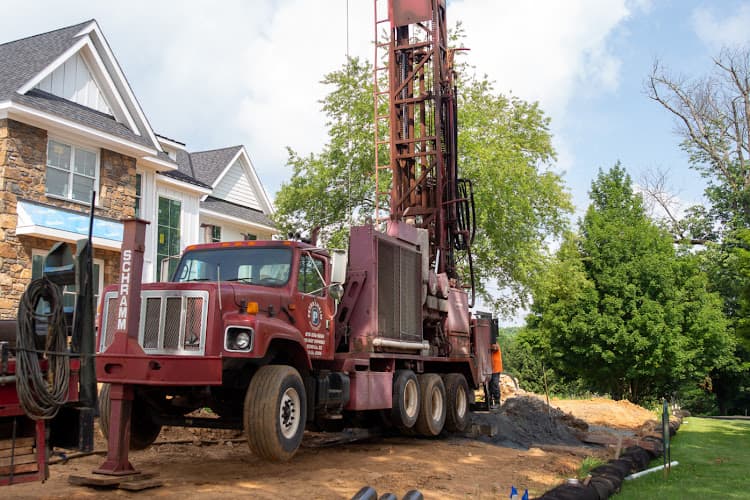
- Drilling new water wells for residential, agricultural, and commercial properties, including coordination of the permits required by state and county authorities
- Well pump installation, replacement, and repair, covering submersible pumps set deep in the borehole as well as above ground jet pump arrangements
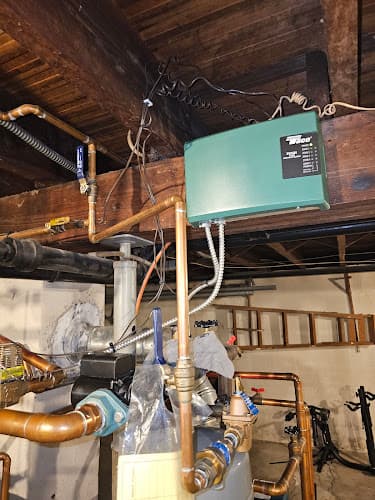
- Pressure tank replacement, pressure switch adjustment, and diagnosis of the control components that govern when a pump cycles on and off
- Troubleshooting loss of water, low pressure, short cycling, sediment, and air in the lines
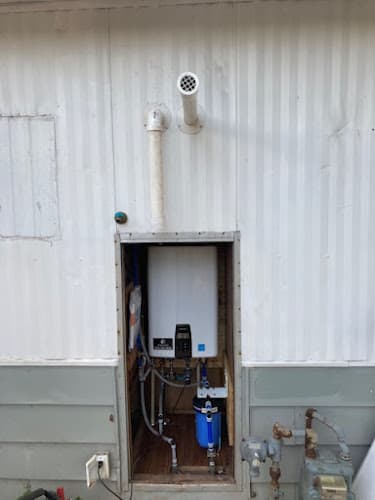
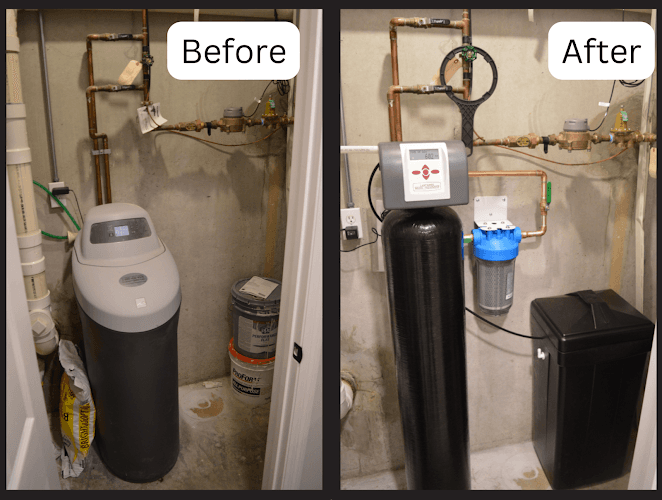
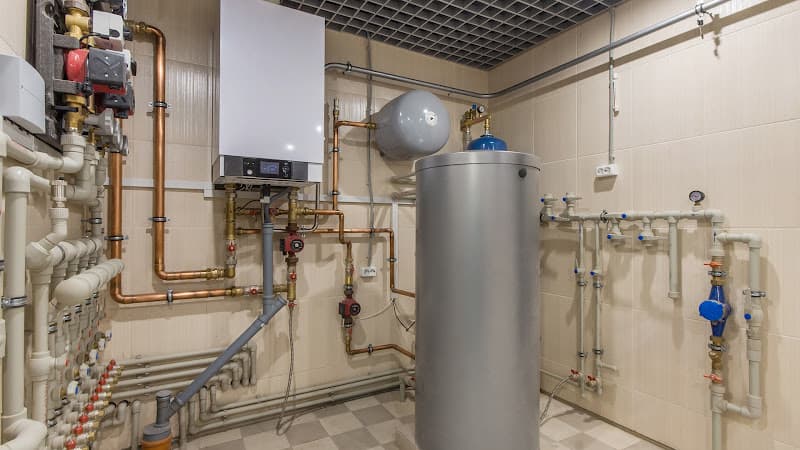
- Water treatment equipment, including filtration, softening, and conditioning systems chosen according to what a specific well actually produces
- Filter changes, media replacement, and routine maintenance on existing treatment equipment
- Geothermal drilling for ground source heating and cooling loops
- Well service and inspection work connected with property sales and new construction
Understanding Pennsylvania Well Water
Groundwater in southeastern Pennsylvania varies considerably over short distances. Geology shifts from limestone to shale to hard crystalline rock within a few miles, and with it the depth to water, the yield of a well, and the mineral content of what comes out of the tap. Neighboring properties can have wildly different water: one with high iron staining fixtures, another with hardness that scales a water heater, a third with sulfur odor or elevated manganese. Depth can range from under a hundred feet to several hundred.
This variability is why well work is a diagnostic trade rather than a catalog one. A treatment system that solves one household's problem may be the wrong investment next door. Contractors who work in a defined territory for many years accumulate practical knowledge of which formations lie beneath which townships, how deep wells in a given area typically run, and what water chemistry to expect. That regional familiarity shapes recommendations on where to site a well, how deep to drill, and what equipment, if any, a particular home needs.
How Well Service Calls Usually Work
A total loss of water is one of the few household failures that cannot wait. There is no partial workaround: without water, a home has no drinking supply, no functioning bathrooms, no laundry, and no dishwashing. For farms and properties with livestock, the stakes rise further. As a result, well service operates much like emergency plumbing or heating work, with dispatching organized around getting a technician to a waterless property quickly.
Diagnosis typically begins with the simplest and least expensive possibilities before moving to the most involved. A technician will often check the electrical supply and breaker, test the pressure switch and pressure tank, measure amperage draw and insulation resistance on the pump, and evaluate whether the water level in the well has dropped. Many no-water calls turn out to involve a failed pressure switch, a waterlogged tank, a tripped control, or a wiring fault rather than the pump itself, and separating these causes accurately is what determines whether a homeowner faces a modest repair or a pump replacement. Pulling a submersible pump requires equipment capable of lifting hundreds of feet of pipe and wire, which is why the work belongs to specialized contractors.
New Well Drilling and Construction Projects
Drilling a new well is a permitted, regulated process. Pennsylvania requires that water wells be constructed and reported by licensed drillers, with records submitted documenting depth, casing, and yield, and local ordinances frequently add setback requirements from septic systems, property lines, and structures. A driller handling this paperwork removes a significant administrative burden from homeowners and builders.
On site, the sequence generally involves siting the well with attention to access and regulatory setbacks, drilling through overburden and into bedrock, setting and grouting steel casing to protect the well from surface contamination, drilling deeper until adequate yield is reached, then developing, testing, and disinfecting the well before the pump is installed. Judgment matters at the yield stage: drilling deeper than necessary adds cost without benefit, while stopping too early can leave a household with a marginal supply during dry summers. Builders who work repeatedly with the same drilling company tend to value that calibration as much as the drilling itself.
Service Area and Local Context
Operating from Morgantown, the company is positioned near the meeting point of Berks, Chester, and Lancaster counties, close to the interchange of Interstate 76 and Route 176. The surrounding landscape is a mix of farmland, wooded hills, older rural homesteads, and newer residential development, much of it dependent on private wells and on-lot septic systems. Communities in the vicinity include Elverson, Honey Brook, New Holland, Reading, Birdsboro, Denver, and the townships spread between them.
Customer accounts indicate that the company has been drilling wells and installing pumps in the area since at least the mid 1980s, with some households having relied on the same firm for their water system across multiple decades. In a trade where equipment is expected to last twenty years or more, that continuity has practical value: a contractor who installed a system originally often has records of its depth, casing, pump specifications, and service history.
Practical Information for Customers
- Address: 229 Mill Rd, Morgantown, PA 19543
- Telephone: +1 610-286-5850
- Business type: drilling contractor, well pump and water treatment service
- Accessibility: wheelchair accessible parking lot
Homeowners calling about a water problem can speed up diagnosis by noting a few details in advance: whether there is no water at all or only reduced pressure, whether the problem appeared suddenly or gradually, whether the pressure gauge reads zero, whether any breaker has tripped, the approximate age of the pump and pressure tank, and whether the well is drilled or dug. For treatment questions, recent water test results and a description of the symptoms, staining, odor, scale, or cloudiness, help point toward the right equipment. Property owners planning new construction should expect well siting and permitting to factor into their project timeline alongside septic approval and excavation.