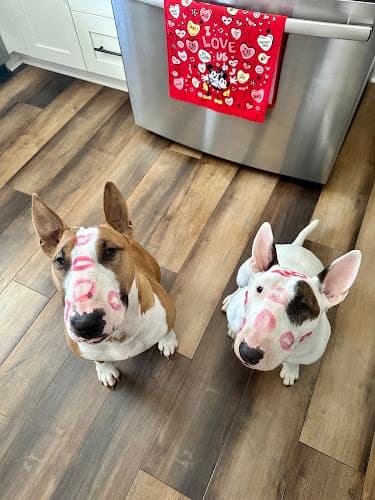
Petsitting with Cindy is a pet sitting service operating in Pennsylvania, providing in-home animal care for pet owners who require assistance during travel, work commitments, or other circumstances that take them away from their animals. The business offers an alternative to traditional boarding facilities, allowing pets to remain in familiar surroundings while their owners are away.
Service Model and Approach
The pet sitting industry has grown substantially over the past two decades as pet owners increasingly seek personalized care options that minimize stress on their animals. Services like Petsitting with Cindy operate on the premise that many pets, particularly those who are older, anxious, or have specific medical needs, fare better when they can stay in their own homes rather than being transported to a kennel or boarding facility.
In-home pet sitting typically encompasses a range of services that extend beyond basic feeding and watering. Professional pet sitters generally provide companionship, exercise, medication administration when needed, and monitoring of the home environment. This model allows pets to maintain their regular routines, sleep in their usual spots, and avoid exposure to other animals that might be present in group boarding situations.
The Pennsylvania Pet Care Landscape
Pennsylvania presents a diverse market for pet care services, with both urban and rural areas creating different needs and expectations among pet owners. The state has a substantial pet-owning population, with dogs and cats being the most common companion animals, though many households also keep birds, small mammals, reptiles, and fish.
Pet sitting services in Pennsylvania must navigate varying local regulations and licensing requirements depending on the municipality. Professional pet sitters often obtain bonding and insurance to protect both themselves and their clients, and many pursue certification through organizations such as Pet Sitters International or the National Association of Professional Pet Sitters to demonstrate their commitment to industry standards.
Types of Services Commonly Offered
While specific service offerings vary by provider, pet sitting businesses typically structure their care around several core service categories:
- Daily visits during owner absences, which may include one, two, or three stops per day depending on the animal's needs
- Overnight stays where the sitter remains in the home with the pets
- Dog walking services for clients who need midday exercise breaks for their pets
- Extended care during vacations or business trips lasting from a few days to several weeks
- Medication administration for pets with chronic conditions or those recovering from surgery
- Care for multiple pet households, including those with different species requiring varied care protocols
- Additional home care tasks such as bringing in mail, watering plants, rotating lights, and maintaining the appearance of an occupied home
The flexibility of in-home pet sitting allows for customization based on each animal's personality, health status, and daily requirements. Senior pets, for example, may need more frequent visits for bathroom breaks and medication schedules, while younger, high-energy dogs might require longer play sessions and walks.
The Role of the Individual Pet Sitter
Small, independently operated pet sitting services like Petsitting with Cindy often emphasize the personal relationship between the sitter and the animals in their care. Unlike larger pet care companies that may send different staff members to each visit, sole proprietor operations provide consistency, which can be particularly beneficial for pets who take time to warm up to new people.
Individual pet sitters frequently develop ongoing relationships with their client families, learning the specific quirks and preferences of each animal over time. This familiarity can prove valuable in detecting early signs of illness or distress, as the sitter becomes attuned to what constitutes normal behavior for each pet.
Practical Considerations for Pet Owners
When engaging a pet sitting service, owners typically participate in an initial consultation or meet-and-greet session. This meeting serves multiple purposes: it allows the sitter to meet the animals and observe their behavior, gives the owner an opportunity to assess the sitter's experience and approach, and provides time to review care instructions, emergency contacts, and veterinary information.
Pet owners should prepare detailed written instructions covering feeding schedules and portions, medication protocols, exercise requirements, behavioral considerations, and any household rules the sitter should follow. Emergency veterinary information, including the contact details for the pet's regular veterinarian and the nearest emergency animal hospital, should be readily available.
Most professional pet sitters request that owners leave sufficient supplies of food, treats, and medications for the duration of their absence, along with any special equipment the animals might need such as harnesses, carriers, or mobility aids.
Communication and Updates
Modern pet sitting services often incorporate technology to keep owners informed during their time away. Many sitters provide regular updates via text message, email, or dedicated pet sitting apps, frequently including photographs or videos of the animals. This communication helps ease owner anxiety and provides documentation of the pet's condition throughout the care period.
The ability to reach the pet sitter quickly in case of questions or concerns has become an expected standard in the industry. Clear communication protocols established before the service begins help ensure that both parties understand how and when updates will be provided.
Contacting the Business
Petsitting with Cindy can be reached by telephone at 484-373-1211. The 484 area code serves southeastern Pennsylvania, including portions of the greater Philadelphia region and surrounding counties.
As with any service provider who will have access to one's home and responsibility for beloved family members, pet owners are encouraged to conduct thorough research, request references, and ensure they feel comfortable with their chosen sitter before finalizing arrangements.