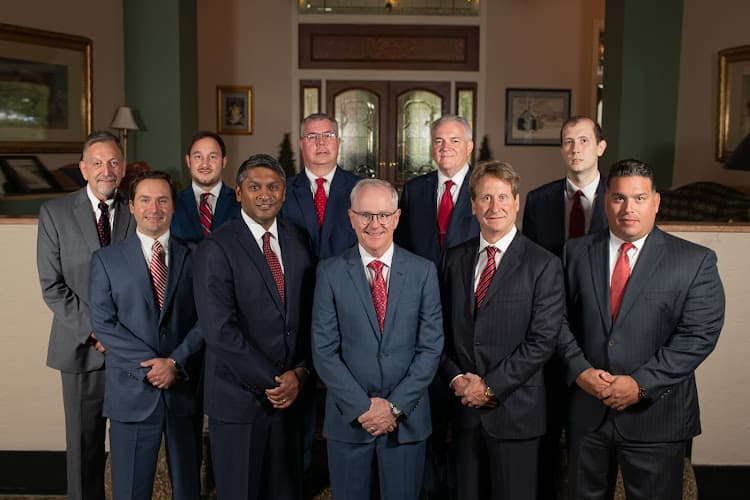
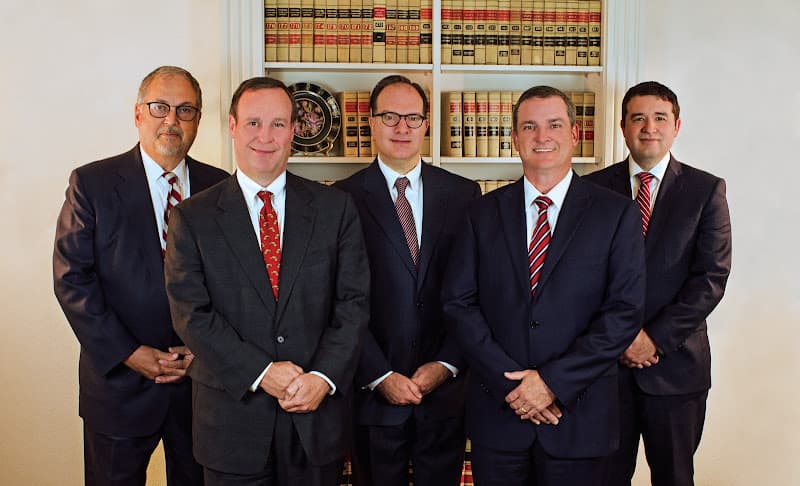
Polyak Law Office is a trial law practice based in downtown Reading, Pennsylvania, at 645 Penn Street, Suite 500. The firm works primarily in the courts of Berks County, representing individuals who are facing criminal charges, traffic citations and other matters that may end up in front of a judge. Unlike practices that concentrate on transactional work such as contracts, estates or real estate closings, a trial practice is organized around hearings, negotiations with prosecutors and courtroom argument, and the firm's day to day work reflects that focus.
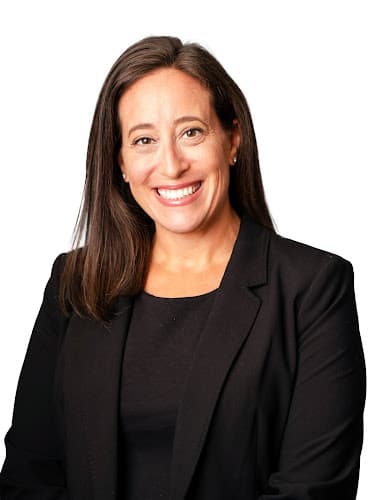
The office operates as a small, attorney led practice, which means clients generally deal directly with the lawyer handling their file rather than being passed between departments. Attorneys associated with the office, including Andrea Mertz, have appeared on behalf of clients in matters ranging from summary traffic offenses to more serious charges carrying the possibility of incarceration. Clients can reach the office by telephone at +1 610-376-5250.
Areas of Practice
The practice centers on defense work and courtroom representation. Matters the office commonly handles include:
- Criminal defense, including misdemeanor and felony charges filed in Berks County
- Driving under the influence cases, including first offense and repeat offense matters
- Traffic violations and summary offenses heard before magisterial district judges
- License suspension issues and related consequences that follow a conviction
- Preliminary hearings, pretrial motions and plea negotiations
- Sentencing advocacy, including arguments for alternatives to jail time
- Probation and parole violation hearings
Much of the work in a defense practice happens before a case ever reaches trial. Attorneys review the police criminal complaint and affidavit of probable cause, request discovery from the district attorney's office, examine whether a traffic stop or search was lawful, and identify whether a client qualifies for a diversionary program. In Pennsylvania, programs such as Accelerated Rehabilitative Disposition can be available to eligible first time offenders and may result in charges being dismissed and, in some circumstances, expunged after successful completion. Determining eligibility and preparing the application is part of what a defense attorney does early in a case.
How a Case Typically Proceeds
For anyone who has not been through the Pennsylvania court system before, the sequence can be unfamiliar. A criminal case usually begins with an arrest or a summons, followed by a preliminary arraignment and the setting of bail conditions. The next step is the preliminary hearing before a magisterial district judge, where the Commonwealth must show there is enough evidence to send the case forward. Cases that move past that stage go to the Court of Common Pleas for formal arraignment, pretrial conferences, possible suppression motions and, if no resolution is reached, trial.
Summary traffic matters follow a shorter path. These are heard at the magisterial district court level, and the stakes, while lower than a felony case, can still include fines, points on a driving record, insurance consequences and in some situations a suspended license. Commercial drivers in particular face rules that differ from those applied to ordinary motorists, since a conviction can affect a commercial driver's license and therefore a person's livelihood.
A trial attorney's role shifts across these stages: gathering records and witness information, advising a client on whether to accept a negotiated offer, cross examining officers, and presenting mitigation at sentencing. Clients contacting the office are generally encouraged to bring their citation, criminal complaint, bail paperwork or any correspondence from the court to the first meeting, since those documents establish the charges, the docket number and the deadlines involved.
Location and Service Area
The office sits on Penn Street, the main commercial corridor through downtown Reading, within walking distance of the Berks County Courthouse and the Berks County Services Center on Court Street. That proximity is practical for a trial practice, since filings, hearings and conferences in the Court of Common Pleas all take place a short distance away. The Suite 500 location is on an upper floor of a Penn Street office building, a stretch of the city that also includes banks, government offices and other professional practices.
Penn Street carries traffic in from West Reading and Wyomissing over the Penn Street Bridge and connects eastward toward the Mount Penn side of the city. Metered street parking is available along Penn Street and the surrounding blocks, and several public parking garages operate in the downtown core. BARTA bus routes converge at the transportation center a few blocks away, which makes the office reachable without a car, a consideration that matters for clients whose driving privileges have been suspended.
Beyond the city itself, the firm's work extends across Berks County, where cases are distributed among magisterial district courts in communities such as Exeter, Muhlenberg, Shillington, Wyomissing, Boyertown, Hamburg and Kutztown. Clients from the surrounding boroughs and townships frequently find that their hearings are scheduled at a local district court before any matter moves to the county courthouse in Reading.
Visiting the Office
Appointments are recommended. Because attorneys at a trial practice spend significant portions of the week in court, calling ahead is the most reliable way to arrange a meeting and to confirm that someone will be available to speak at length. Phoning also allows office staff to note the basic details of a matter, such as the charge, the court involved and the next scheduled date, before a consultation takes place.
The office is set up for accessibility, with a wheelchair accessible entrance, a wheelchair accessible restroom and wheelchair accessible parking. A restroom is available for visitors.
Practical Notes for Prospective Clients
- Deadlines matter. Pennsylvania sets short windows for responding to citations, entering pleas and filing appeals from summary convictions, so contacting an attorney early preserves more options.
- Bring documents. Citations, complaints, bail papers, PennDOT notices and any letters from the court or probation office help an attorney assess a case quickly.
- Ask about fees at the outset. Fee structures for criminal and traffic matters vary depending on complexity, the court involved and whether a case is likely to go to trial.
- Keep contact information current. Courts and counsel both need a reliable phone number and mailing address, since missed notices can result in bench warrants or default judgments.
- Note every court date. Appearing as scheduled, in appropriate attire and on time, is among the simplest things a client can control.
For questions about representation, scheduling or whether the office handles a particular type of matter, the practice can be reached by telephone at +1 610-376-5250, or in person by appointment at 645 Penn Street, Suite 500, Reading, Pennsylvania.