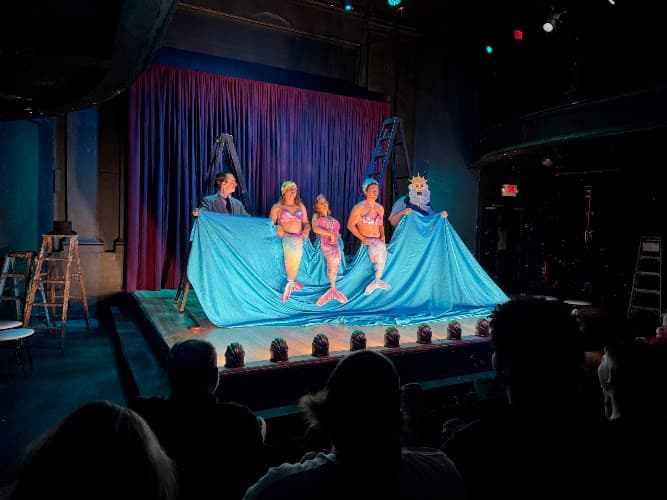
Reading Theater Project is a performing arts organization based in Pennsylvania that operates as a women-owned theatrical company. The organization functions as part of the regional arts community, contributing to the cultural landscape through live theatrical performances and related programming. As an LGBTQ+ friendly establishment, the company maintains an inclusive environment for both performers and audiences across diverse backgrounds.
Organizational Structure and Identity
The Reading Theater Project distinguishes itself through its organizational identity as a women-owned performing arts group. This designation reflects leadership and ownership structures that prioritize women in decision-making roles within the company. In the performing arts sector, women-owned theater companies represent a growing movement toward greater representation and diverse perspectives in theatrical production, direction, and artistic vision.
The company operates as a nonprofit or community-based theatrical organization rather than a commercial entertainment venue. This model typically allows performing arts groups to focus on artistic merit, community engagement, and accessibility rather than purely commercial considerations. Such organizations often rely on a combination of ticket sales, donations, grants, and community support to sustain their operations and programming.
Mission and Artistic Focus
Theater projects of this nature typically center their work on bringing live dramatic performances to local audiences. The Reading Theater Project appears to function within the tradition of regional theater companies that serve as cultural anchors for their communities. Regional theater in Pennsylvania has a rich history, with numerous companies throughout the state contributing to both the preservation of classical works and the development of contemporary theatrical voices.
Performing arts groups in the Reading area serve an important function in providing accessible cultural experiences to residents who might otherwise need to travel to larger metropolitan centers like Philadelphia for professional theatrical productions. Local theater companies create opportunities for community members to engage with the performing arts both as audience members and, in many cases, as participants in productions.
The Reading Arts Community
Reading, Pennsylvania, located in Berks County, has developed a modest but active arts scene over recent decades. The city, once known primarily for its industrial heritage and railroad history, has seen various cultural organizations emerge to serve its diverse population. Theater companies operating in this environment often balance the challenge of cultivating audiences in a mid-sized city while maintaining artistic standards that attract talented performers and production staff.
The presence of performing arts organizations in communities like Reading contributes to local economic activity through ticket sales, employment of artists and technical staff, and the broader ecosystem of restaurants, parking, and other services that benefit from audiences attending performances. Cultural organizations also play a role in community identity and quality of life considerations that factor into residential and business decisions.
Inclusivity in Theater
The Reading Theater Project's identification as LGBTQ+ friendly reflects broader movements within the performing arts toward explicit inclusivity. The theater world has historically maintained connections to LGBTQ+ communities, with many prominent playwrights, performers, directors, and designers identifying as members of these communities. However, explicit statements of welcome and inclusion signal to potential audience members and participants that the organization actively cultivates a safe and welcoming environment.
For performing arts organizations, inclusivity extends beyond audience relations to casting practices, play selection, and the overall culture of productions. Companies that prioritize inclusive environments often seek out works by diverse playwrights, implement equitable casting practices, and create production environments where all participants feel valued and respected regardless of their identity.
Community Theater Traditions
Organizations like the Reading Theater Project exist within the broader tradition of community and regional theater that has deep roots in American cultural life. Unlike Broadway or large regional theaters with substantial budgets and professional contracts, smaller theater projects often operate with limited resources while maintaining high artistic aspirations. These companies frequently rely on a combination of professional artists, semi-professional performers, and dedicated community volunteers.
The collaborative nature of theater production requires coordination among actors, directors, designers, technicians, and administrative staff. Smaller theater companies often cultivate close-knit communities of artists and supporters who return season after season, creating continuity and shared artistic vision over time. This model can produce deeply meaningful theatrical experiences that reflect the specific character and concerns of local communities.
Practical Information
The Reading Theater Project can be reached by telephone at 484-706-9719. Those interested in attending performances, participating in productions, or contributing to the organization as donors or volunteers can use these contact methods to obtain current information.
Theater companies of this type typically announce their seasons in advance, allowing audiences to plan attendance and potentially purchase season subscriptions or ticket packages. Performance schedules, venue locations, and ticket prices vary by production and can generally be found through the organization's official communications channels.
Supporting Local Theater
Performing arts organizations depend on community engagement for their continued operation. Attendance at performances represents the most direct form of support, but theater companies also benefit from volunteer assistance, financial donations, and word-of-mouth promotion within the community. Many organizations offer various levels of membership or donor recognition that provide supporters with benefits while helping to fund operations and programming.
For those interested in participating as performers or production staff, community theater companies often hold open auditions for their productions and welcome volunteers in technical and administrative capacities. These opportunities provide valuable experience for aspiring theater artists while contributing to the vitality of local cultural life.