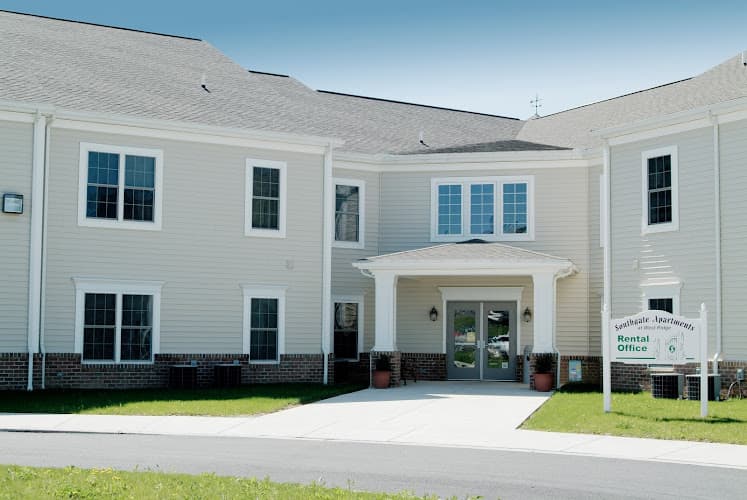
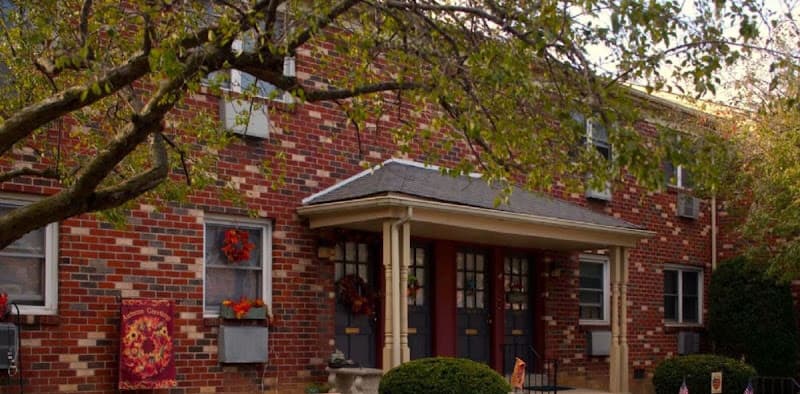
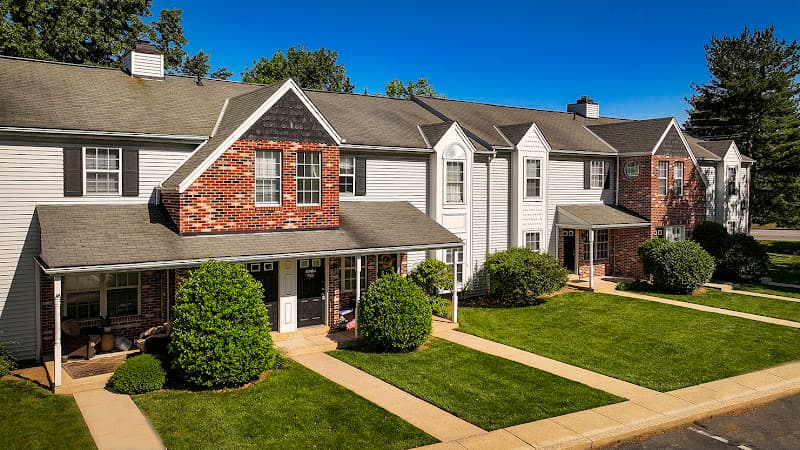
RentersChoice operates as an apartment complex in Pennsylvania, providing residential rental housing to individuals and families seeking living accommodations in the state. The property functions within the multifamily housing sector, offering apartment units as an alternative to single-family home rentals or homeownership.
Residential Rental Housing in Pennsylvania
As an apartment complex, RentersChoice participates in Pennsylvania's rental housing market, which serves a significant portion of the state's population. Apartment complexes typically provide multiple dwelling units within a single property or collection of buildings, managed under unified ownership or management. This housing model offers residents the opportunity to lease living space without the long-term financial commitment and maintenance responsibilities associated with property ownership.
The Pennsylvania rental market encompasses a diverse range of communities, from major metropolitan areas like Philadelphia and Pittsburgh to smaller cities and suburban regions. Apartment complexes in the state serve various demographic groups, including young professionals beginning their careers, families seeking housing flexibility, students attending nearby educational institutions, and individuals who prefer the convenience of rental living.
Apartment Complex Operations
Apartment complexes like RentersChoice generally handle numerous operational responsibilities to maintain their properties and serve their residents. These operations typically include property maintenance, lease administration, rent collection, and addressing tenant concerns and requests. The management structure of apartment complexes can vary, with some properties operated directly by ownership entities and others managed by third-party property management companies.
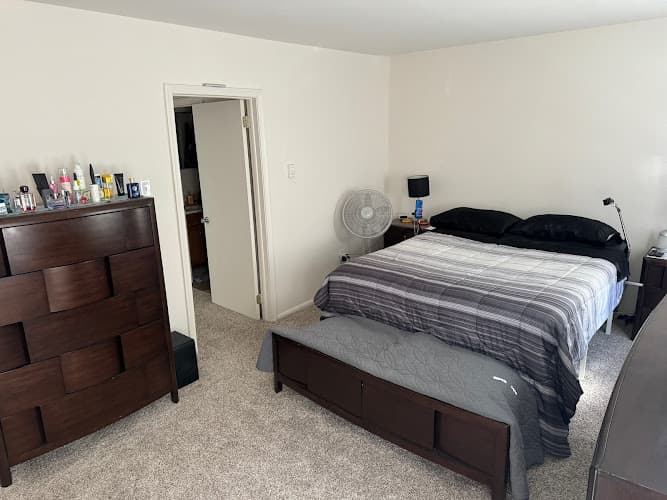
Standard apartment complex offerings often include a range of unit configurations to accommodate different household sizes and preferences. These may include studio apartments for single occupants seeking compact living spaces, one-bedroom units suitable for individuals or couples, and larger two or three-bedroom apartments designed for families or roommate situations. Unit features and finishes can vary considerably between properties and even within the same complex, depending on building age, recent renovations, and market positioning.
Common Amenities and Features
Modern apartment complexes frequently provide various amenities and features designed to enhance resident convenience and quality of life. While specific offerings vary by property, common amenities in the apartment industry include:
- On-site laundry facilities or in-unit washer and dryer connections
- Parking accommodations, which may include surface lots, covered parking, or garage spaces
- Outdoor common areas such as courtyards, green spaces, or picnic areas
- Fitness centers or exercise rooms
- Swimming pools for seasonal use
- Community rooms or clubhouses for resident gatherings
- Package receiving services or secure delivery lockers
- Pet-friendly policies with designated pet areas
- Controlled access entry systems for security
- On-site management offices for resident services
The availability of these amenities depends on the individual property, its age, size, and target market. Prospective residents typically inquire about specific amenities during the leasing process to ensure the property meets their needs and preferences.
The Rental Process
Individuals interested in renting an apartment typically engage in a multi-step process that begins with property research and tours. Prospective residents often contact apartment complexes to schedule viewings of available units, allowing them to assess the property's condition, layout, and suitability for their needs. During this phase, leasing staff typically provide information about rental rates, lease terms, move-in costs, and application requirements.
The application process for apartment rentals generally involves completing a rental application, which collects information about employment, income, rental history, and personal references. Most apartment complexes conduct background checks and credit screenings as part of their tenant qualification process. These screenings help property managers assess applicant reliability and ability to meet rental obligations.
Upon approval, prospective tenants typically sign a lease agreement outlining the terms of their tenancy, including monthly rent amount, lease duration, security deposit requirements, and community rules and regulations. Move-in procedures vary by property but generally involve payment of initial fees, key distribution, and a move-in inspection to document the unit's condition.
Tenant Rights and Responsibilities in Pennsylvania
Apartment residents in Pennsylvania operate under state landlord-tenant laws that establish rights and responsibilities for both parties. Pennsylvania law addresses various aspects of the rental relationship, including security deposit limits, notice requirements for lease termination, and landlord obligations regarding property maintenance and habitability.
Tenants in Pennsylvania generally have the right to a habitable living space, meaning landlords must maintain essential systems such as heating, plumbing, and electrical in working order. Residents also have privacy rights, with landlords typically required to provide reasonable notice before entering occupied units except in emergency situations.
Tenant responsibilities typically include timely rent payment, proper care of the rental unit, adherence to community rules, and providing appropriate notice when planning to vacate. Understanding these mutual obligations helps create positive landlord-tenant relationships and smooth tenancy experiences.
Contact Information
RentersChoice can be reached by telephone at +1 484-809-0018. The 484 area code serves southeastern Pennsylvania, including portions of the Philadelphia metropolitan region, suggesting the property may be located in this area of the state. Prospective residents interested in learning more about available units, rental rates, and lease terms can contact the property directly to obtain current information and schedule property tours.
Phone inquiries allow prospective tenants to ask specific questions about unit availability, pricing, application requirements, and move-in timelines. Property staff can typically provide detailed information about floor plans, included amenities, utility arrangements, and any current leasing specials or incentives that may be available.
Considerations for Prospective Renters
Individuals exploring apartment options benefit from thorough research and preparation before committing to a lease agreement. Important factors to consider when evaluating apartment complexes include location relative to employment, schools, and daily necessities; total monthly costs including rent, utilities, and any additional fees; lease terms and flexibility; and the overall condition and management quality of the property.
Visiting properties in person allows prospective residents to assess factors that may not be apparent in listings or photographs, such as noise levels, natural lighting, storage space, and the general atmosphere of the community. Speaking with current residents, when possible, can also provide valuable insights into the day-to-day experience of living at a particular property.
Understanding all costs associated with renting is essential for budgeting purposes. Beyond monthly rent, apartment living may involve additional expenses such as utility payments, renter's insurance, parking fees, pet deposits or monthly pet rent, and move-in costs including security deposits and administrative fees. Clarifying these costs during the leasing process helps prevent unexpected financial obligations after move-in.