Short's Stoves Chimneys and Fireplaces is a hearth products retailer and installation company located at 2030 Kutztown Road in Reading, Pennsylvania. The business combines a walk-in showroom with a full service operation, meaning the same company that sells a stove or fireplace can usually handle the venting, the installation, the follow-up maintenance and the replacement parts years down the line. It is an independently owned small business, and customers typically deal directly with the owners and a consistent group of staff rather than a rotating sales floor.
Hearth retail is a specialized corner of the home improvement market. Choosing a wood, pellet, gas or electric appliance involves questions about square footage, chimney condition, fuel availability, clearances to combustible materials and local code requirements. A store like this one functions partly as a showroom and partly as a technical resource, where the conversation about what will actually work in a given house matters as much as the price tag on the floor model.
Location and Service Area
The Kutztown Road address places the store in the Muhlenberg Township corridor just north of the city of Reading, a stretch of road that carries steady traffic between Reading and the communities toward Temple, Laureldale and points north. The location is convenient for Berks County homeowners coming from Reading, Wyomissing, Fleetwood, Hamburg, Kutztown, Blandon, Leesport and the surrounding townships, and the parking lot allows customers to pull in directly from the road.
Both the entrance and the parking lot are wheelchair accessible. The store can be reached by phone at +1 610-929-1813, which is often the fastest way to confirm current showroom hours, ask about the availability of a specific model or describe a part you are trying to identify before making the trip.
Stoves and Fireplaces
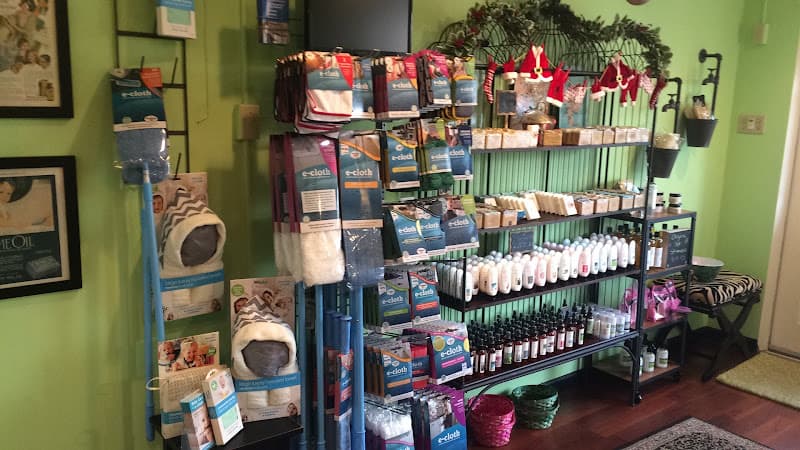
The showroom carries a broad cross section of hearth appliances, with displays arranged so that customers can see the size, finish and flame character of different units side by side. Product categories generally include:
- Wood stoves, including freestanding models for living rooms, basements and additions, along with high efficiency units designed to meet current emissions standards.
- Pellet stoves, which burn compressed wood pellets and appeal to homeowners who want automated feeding, thermostatic control and a lower ash volume than cordwood produces.
- Gas stoves and gas fireplaces running on natural gas or propane, including direct vent models that can be placed on exterior walls without a traditional masonry chimney.
- Fireplace inserts in wood, pellet and gas formats, which fit into an existing masonry firebox and convert an inefficient open fireplace into a practical heat source.
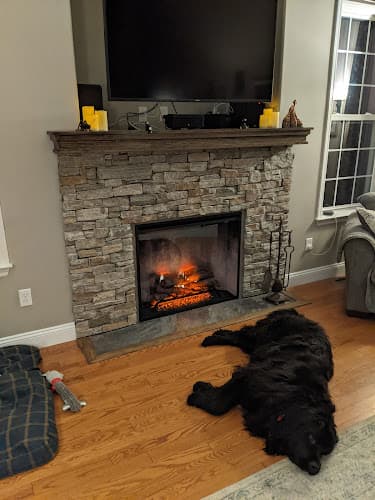
- Electric fireplaces and electric inserts, which require no venting and can be installed in rooms where combustion appliances are impractical, such as upper floors, apartments and interior walls.
- Hearth accessories and related goods, which may include tool sets, hearth pads, surrounds, mantels, stove pipe, blowers and fuel handling items.
Seeing units operating in person is useful in ways a catalog cannot replicate. Flame presentation, glass size, viewing angle, the sound of a convection blower and the physical footprint of a stove all influence satisfaction once the appliance is in a home. Modern electric models in particular have advanced enough that many visitors are surprised by how convincing the flame effect looks at normal viewing distance.
Installation, Delivery and Assembly
Short's offers delivery as well as in-store pickup, and assembly service is available for products that arrive in components. The company's installation crews handle the work that turns a purchased appliance into a functioning heating system: setting the unit, building or connecting the venting, running liners where a masonry chimney is involved, making gas or electrical connections through the appropriate trades, and confirming that clearances and hearth protection meet requirements.
A typical project begins with a site evaluation. Installers look at the existing chimney or determine a venting path, measure the opening in the case of an insert, assess floor protection and discuss where fuel will be stored. That assessment shapes the final recommendation, because an appliance that performs well in one house may draft poorly in another depending on chimney height, interior air pressure and layout.
Many residential installations are completed in a single visit when the crew arrives with the full complement of liner, pipe, fasteners and sealants required for the job. Homeowners generally appreciate knowing in advance whether a project will involve roof work, interior dust control or the removal of an old appliance, and those details are normally covered during the quoting stage.
Chimney Work and Ongoing Service
As the name indicates, chimney work is a core part of the business alongside stove sales. That side of the operation addresses the structures that make solid fuel and gas appliances safe to run: liners, caps, connectors, flue sizing and the inspection of existing masonry. Annual maintenance is an important consideration for any wood or pellet burning household, since creosote accumulation, blocked venting and worn gaskets all affect both safety and efficiency.
Service work also covers the mechanical components that wear out over time. Pellet stoves in particular contain auger motors, combustion and convection blowers, igniters, gaskets, vacuum switches and control boards, all of which are serviceable items. The store keeps parts on hand and can order components for a wide range of manufacturers, including appliances that have been in service for many years. For owners of older stoves, the ability to track down a legacy part is often the difference between keeping a reliable unit running and replacing the entire appliance.
Planning a Visit
Customers get the most out of a showroom visit when they bring some basic information about the space they want to heat. Helpful details include:
- The approximate square footage of the room or area, along with ceiling height and general layout.
- The type and condition of any existing chimney or fireplace, including rough dimensions of the firebox opening for insert projects.
- Photographs of the wall, hearth or fireplace from a few angles.
- Which fuels are practical at the property, including whether natural gas service is available or propane would be required.
- Insulation, window quality and other factors that affect heat loss.
Debit cards and credit cards are accepted. Quotes for installed systems are generally prepared after the specifics of the home are known, since venting materials and labor vary considerably from one project to the next. Late summer and early autumn are the busiest stretch of the year for hearth retailers across Pennsylvania, so homeowners planning to have an appliance running before cold weather are usually well served by starting the conversation early.
Why Customers Choose Short's
The appeal of a long-running independent hearth dealer is continuity. The staff who explain the differences between wood and pellet heat are connected to the crew that performs the installation and the service department that will answer the phone when a blower starts making noise three winters later. For Berks County homeowners weighing a supplemental heat source or replacing an aging stove, that combination of showroom, installation capability and parts support in one Reading location is the practical reason the business has remained a regional reference point for hearth products.